
The mayor has stressed that the city must make difficult decisions to get on a stronger financial footing. The city has already issued 127 layoffs, and a total of 500 are expected to be cut around $100 million in personnel spending. Other departments, like public health, have seen several positions completely cut.
But the budget cuts at the Arts Commission also come during a time of dramatic change at the agency overall. This year, the city moved to merge the Arts Commission, Grants for the Arts, and the Film Commission into a single agency.
“I recognize how challenging this news is. Those impacted have made meaningful contributions to our work and mission in championing and supporting the arts,” Ralph Remington, Director of Cultural Affairs, wrote in an email to staff at the Arts Commission about the layoffs. “As the budget process continues over the coming months, it is possible that additional cuts and changes may be required before the final budget is adopted.”
Remington announced his retirement in February and has since been serving in an advisory role. The city recently tapped Matthew Goudeau to serve as the city’s first executive director of arts and culture, steering the new superagency formed by the three merged arts agencies.
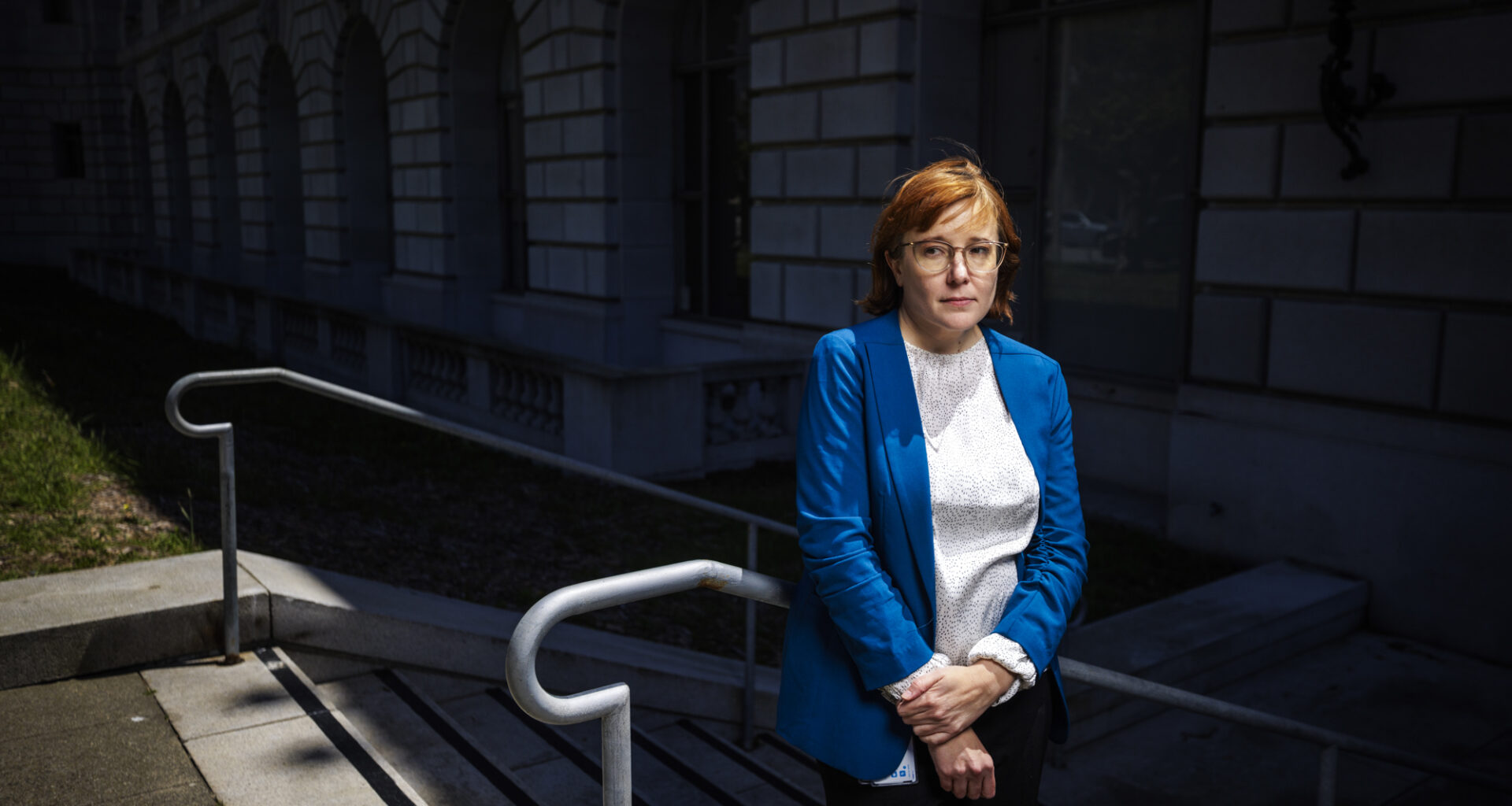
Atwood said there’s been a leadership vacuum in the arts during the budget process at a time of shifting priorities and a changing strategic approach to public arts in San Francisco.
“Leadership being absent and still taking a salary, and then having these layoffs take place, it’s especially demoralizing and frustrating,” Atwood said. “My worry with the merger and these layoffs is that it’s going to dilute this core focus on funding projects and organizations that represent the city’s diversity.”
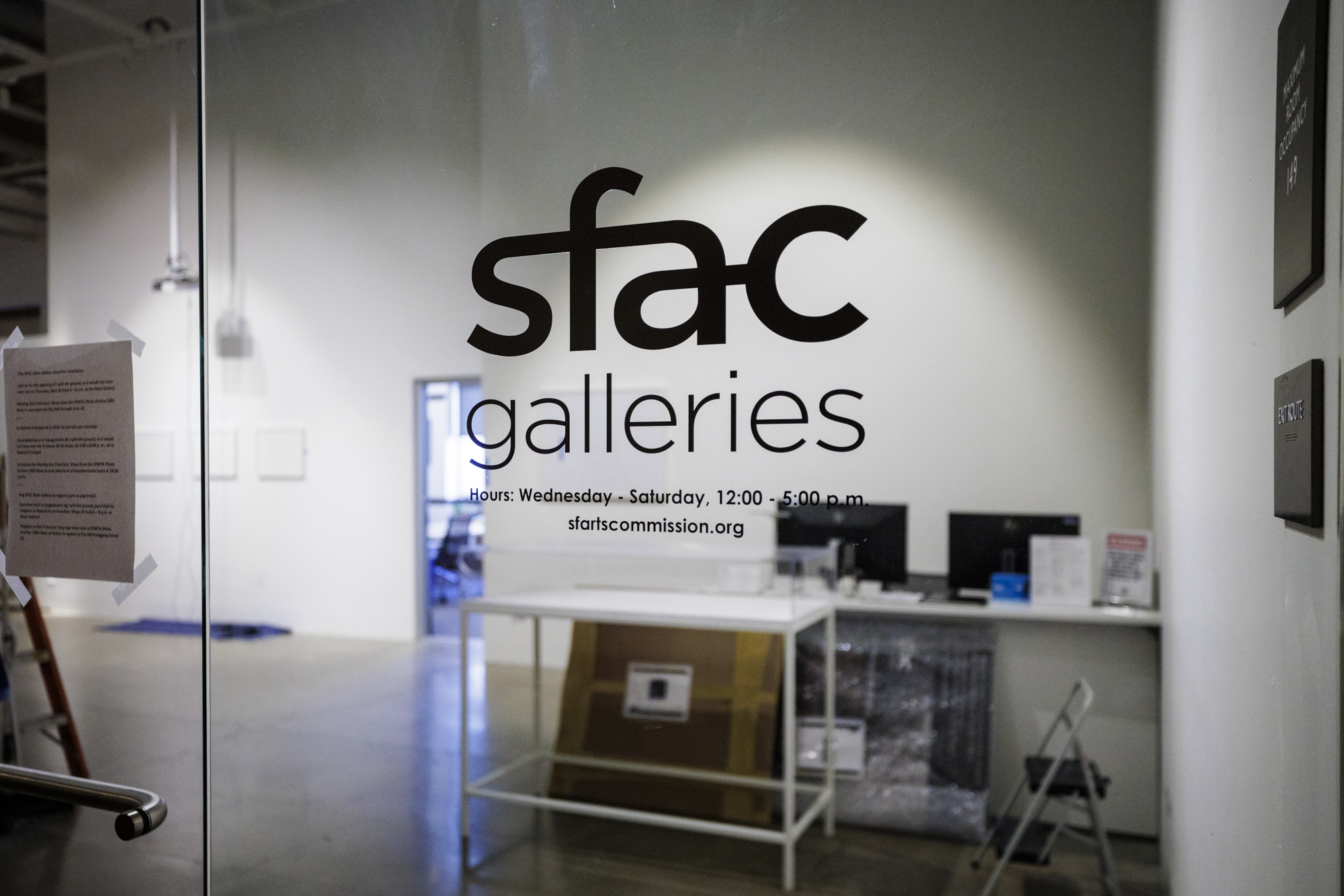 The entry to the San Francisco Arts Commission gallery in the War Memorial Building in San Francisco on May 13, 2026. (Martin do Nascimento/KQED)
Jackie von Treskow, another arts agency staff member and shop steward for the local union, said the anxiety she’s heard from staff stemmed from the city’s handling of layoffs, not the bumping process itself.
“The union’s position is that the notices as issued bypassed the verification process required before anyone can be noticed, seniority wasn’t properly reviewed, and funding insufficiency wasn’t demonstrated as required under civil service rules,” she said. “The bumping that displaced one colleague from her position isn’t an abstract labor technicality. It’s the human cost of a process that wasn’t followed correctly.”
Officials for the Arts Commission said they could not comment on specific staffing changes or individual personnel cases.
“The Arts Commission remains committed to supporting artists, cultural organizations and creative workers across San Francisco,” said Edward Tom, spokesperson for the Arts Commission. “We also value the dedication and service of the employees who help carry out that mission every day.”
With budget negotiations still underway, von Treskow said she hopes the city will invest more public dollars in the arts through ways like tapping into reserves. Lurie’s budget proposal is due June 1.
“The layoffs and the merger make a lot more sense when you look at them alongside the administration’s broader approach to funding public services,” she said, “which is increasingly turning to private philanthropy to fill the void that public disinvestment creates.”