
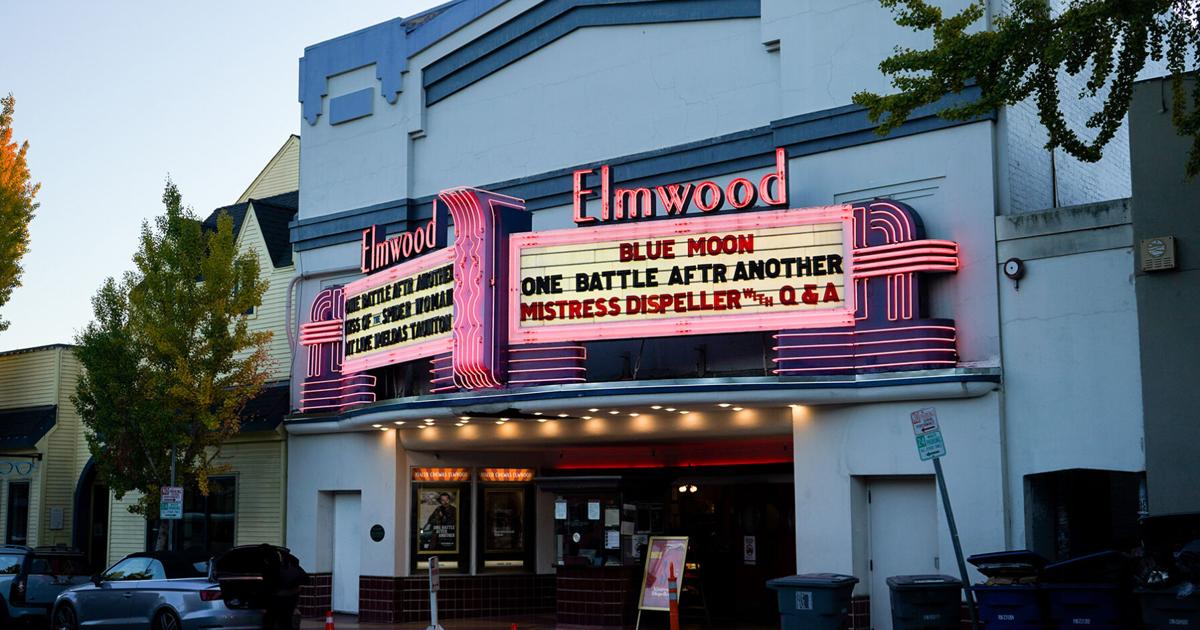
Business owners remain concerned about their ability to stay in their neighborhoods after the Berkeley Planning Commission voted to upzone select lots in the commercial corridors of Upper Solano, North Shattuck area and Elmwood on May 6.
Building more housing in high-resource and high-income neighborhoods is a priority under Berkeley’s Housing Element, the state-mandated plan for new housing construction. Under state law, if Berkeley fails to make efforts to meet its new housing unit goals, it risks ceding local zoning control to the state.
The City Council has not yet scheduled when to vote and finalize the housing construction proposal. Save Berkeley Shops, a community organization that advocates for Berkeley’s small businesses and neighborhoods, also has an action fund to raise money for a potential referendum if the city council approves the measure.
“The Corridors Zoning Update (CZU) is therefore not just about the number of units Berkeley needs, but the actions we need to take to ensure geographic equity, and thereby live up to our values of fairness and inclusion,” wrote District 8 Councilmember Mark Humbert in a newsletter about the commission’s decision. “We can’t say immigrants are welcome here, but then turn around and say ‘but not on the opportunity sites in our neighborhood.’”
In response to the proposed upzoning changes, business owners such as Claudia Hunka of Your Basic Bird, David Salk of Focal Point Opticians and Ky Boyd of Rialto Cinemas joined Save Berkeley Shops to organize against the proposal.
Falk worried that “all it takes is one construction project” to reduce foot traffic to adjacent businesses, limit parking nearby and lead to customers changing their shopping habits. Hunka expressed concerns that independent businesses would be unable to afford rent if new construction occurs.
“In this commercial district in Elmwood … the majority of the businesses are owned by women and minorities,” Hunka said. “These are the people that you’re going to be affecting, and you’re going to be putting out of business.”
The Berkeley Planning Commission voted 6-2 to adopt upzoning on criteria-based sites, meaning locations that meet specific requirements, such as being located on a street corner or not being historical sites. The commission also amended the proposal to add an additional story to the maximum building height and remove certain requirements for building setbacks.
Hunka believes the upzoning plan could be positive for the community if it includes affordable housing. According to a city staff presentation to the Planning Commission, approximately 10% of units are expected to sell at below-market affordable rates.
“This change exempts almost all of the parcels containing small, local businesses from the change in zoning, while preserving most of the realistic potential for new housing,” wrote District 5 Councilmember Shoshana O’Keefe in an email. “I see it as an extremely reasonable (compromise) that should deliver nearly as much housing as the original plan while addressing one of the largest and most common fears raised by those I spoke to.”
Hunka and Boyd emphasized that Downtown Berkeley has several stalled housing developments. Hunka said the city should focus on finishing existing construction first.
Falk proposed alternatives, including building housing adjacent to small shopping districts, which would increase the attractiveness of new housing because of its proximity to walkable commercial corridors and support for small businesses.
“Downtown is a mess because of what has happened with unregulated development,” Boyd said. “And we don’t want that to happen to the Elmwood district.”
Hunka, Falk and Boyd worried that the additional story approved by the Planning Commission could be combined with density bonuses, which can allow multiple stories above zoning standards for buildings with higher percentages of affordable units, resulting in further upward development. This could create buildings of “eight to 10 to 12” stories in upzoned lots, according to Hunka.
While city staff recommended broader upzoning changes, the Planning Commission’s targeted approach is closer to what Humbert proposed in November 2025. Councilmember O’Keefe expressed her support for this targeted approach in an email to The Daily Californian, while District 4 Councilmember Igor Tregub wrote to the Daily Cal that he would “maintain an open mind.”
“Small businesses have had to deal with big box retail. We’ve had to deal with Amazon, with all the online shopping. We’ve had to deal with tariffs. We had to deal with a pandemic,” Falk said. “And I think, from my perspective, it’s time for our city government to stand up and say, we’re going to do everything we can to both grow housing and protect you.”