
Adobe Stock image
published on May 19, 2026 – 4:33 PM
Written by Ben Hensley
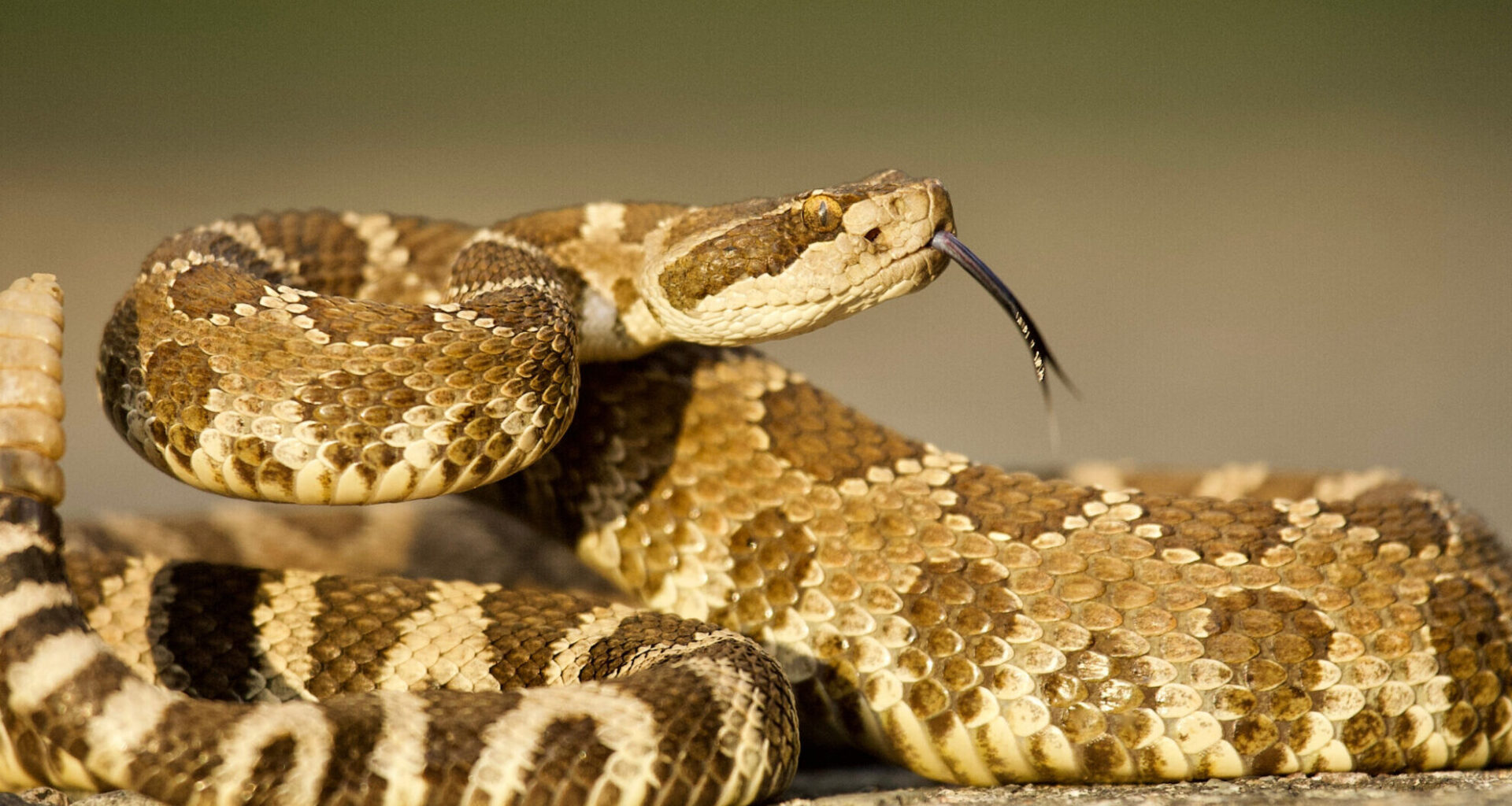
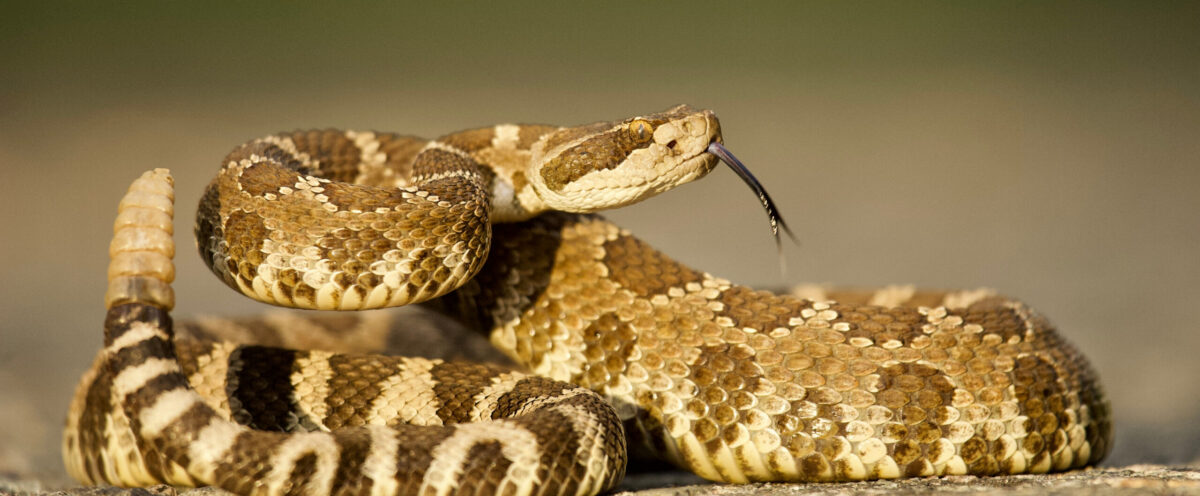
The California Poison Control System (CPCS) has reported significantly more rattlesnake sightings and encounters this year, including multiple fatalities that have already surpassed the state’s typical annual total.
As of Thursday, May 14, CPCS has received 77 rattlesnake-related calls in 2026, according to a recent warning issued by the agency. The figures, officials say, represent a significant early-season increase when compared to normal rattlesnake activity.
“Three encounters have been fatal that we’re aware of so far this year, which is highly unusual and deeply concerning,” said Rais Vohra, medical director for the Fresno/Madera Division of CPCS, in a statement.
Vohra said the state typically sees an average of one rattlesnake-related death annually, while nationwide figures range from five to 10 each year.
While publicly available year-by-year statistics on rattlesnake bites are not immediately accessible, poison control officials report California as generally seeing approximately 200 to 350 rattlesnake bite reports or related calls annually, depending on how cases are counted.
The 2026 figures have drawn heightened attention due to their timing. Based on available data, the state is on pace to see a significantly higher number of rattlesnake bite-related reports at year’s end.
Rattlesnake activity in the state typically increases during the warmer months, with encounters most common from spring through early fall as temperatures rise and more residents head outdoors. Early-season encounters have prompted the department to emphasize the importance of safety.
“The number of bites and fatalities this early in the year underscores the importance of awareness and prevention,” Vohra said.
Although rattlesnakes are active year-round in California, officials say warmer weather and outdoor activity increase the likelihood of encounters.
CPCS urged residents to stay on clear trails, avoid tall grass and dense vegetation, wear sturdy footwear while outdoors and remain alert to warning sounds such as faint buzzing or hissing.
Poison control officials recommend immediately calling 911 if bitten, getting to a hospital as quickly as possible and contacting the Poison Hotline at 1-800-222-1222 for additional guidance.
Officials also cautioned against using tourniquets, ice or attempts to remove venom from bite wounds.
“Rattlesnakes are important to the ecosystem and while they, even newborn or baby rattlesnakes, can be dangerous if they feel threatened, just remember that they want to avoid us as much as we want to avoid them,” Vohra said.