
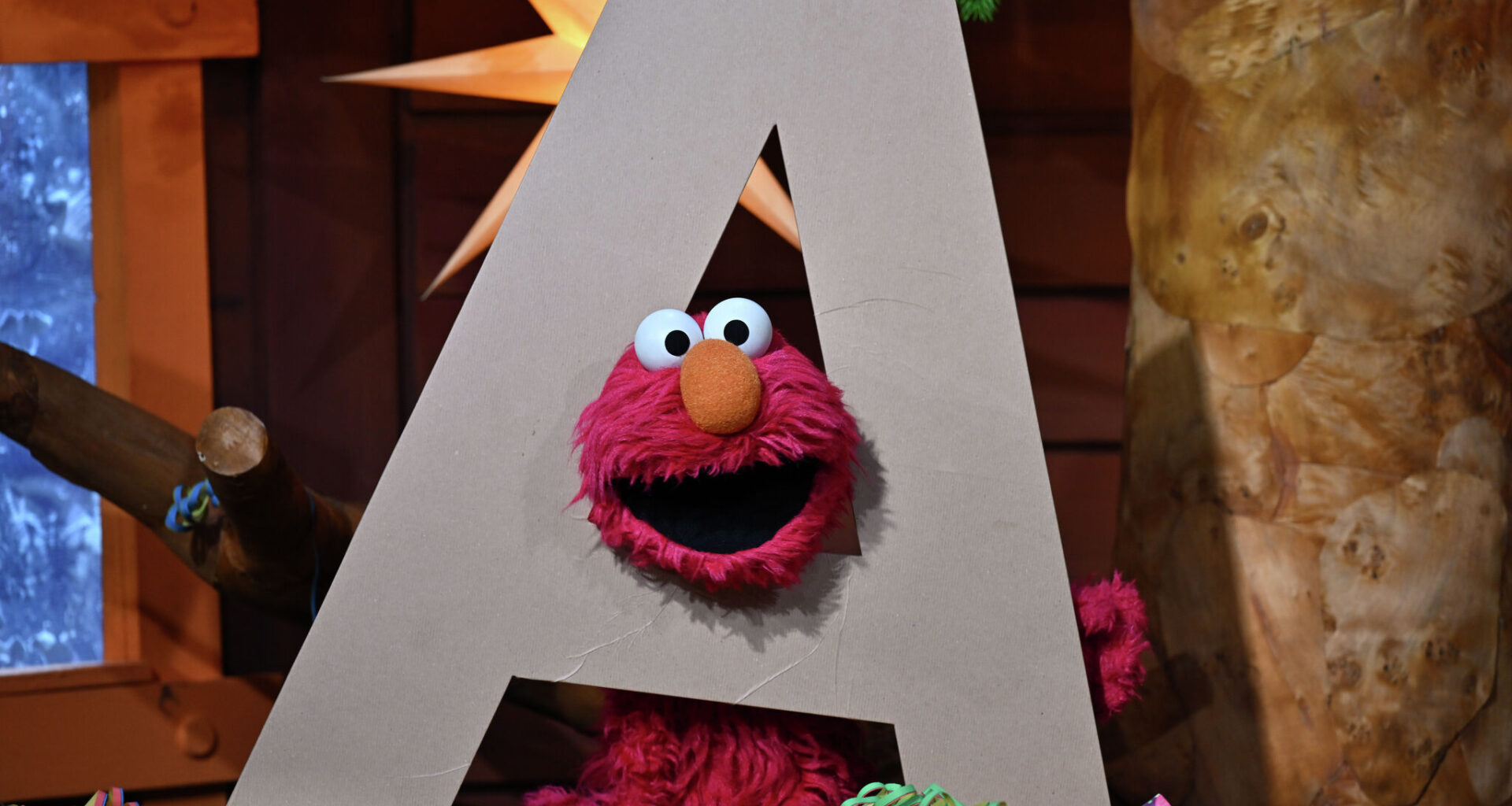
I learned English by watching public television. As an immigrant child from the Philippines, shows like “Sesame Street” and “The Electric Company” were my first teachers. They not only helped me understand the language, but they also opened up the world to me, sparking a lifelong curiosity. That spark has kept me returning to public media.
That’s why the loss of federal funding for public media last year wasn’t just a policy decision to me — it’s a threat to one of the most important civic institutions we have.
The cuts put California’s 33 public media stations in financial jeopardy, especially those in smaller communities. While the majority of U.S. states contribute to their public media stations, California does not. This year, that needs to change.
Fortunately, lawmakers, led by Assembly Member Chris Ward and state Sen. Ben Allen, are considering a proposal to stabilize California’s local public media institutions with a $70 million investment over two years. The funding will not just replace lost federal money, but it will fortify our system as stations evolve how they sustain themselves in the absence of federal funding. Budget season always presents difficult choices, but the decision whether to support California public media should be easy.
Funding public media would protect local news programs, emergency alerts, educational programs and diverse cultural programs that all keep residents safe, informed and connected. Nearly 12 million Californians, about 30% of the population, listen to or watch a public broadcaster each week, and the need for a strong fact-based news ecosystem has never been greater.
Serving as the board chair of KQED Public Media in the Bay Area has given me a front row seat to the ways California public media fosters vibrant, resilient communities. I’ve heard residents talk about how KQED helps keep them informed, and parents have told me stories about how PBS Kids fosters learning.
KQED and its peer stations across the state lost $30 million in annual federal support when the Corporation for Public Broadcasting was defunded. That annual funding had been called the most successful public-private partnership in history, with federal dollars matched 7 to 1 on average by local donations. KQED alone has over 260,000 members who make a regular contribution.
KQED lost an additional $1 million when the federal Department of Education canceled a grant for “Podcasting Democracy.” The program was designed by a team of middle and high school teachers and KQED to teach students their constitutional rights while learning to express themselves through podcasting.
While “members like you” have stepped up in inspiring ways to offset some of these losses, we know that local support alone cannot fully replace what’s been lost, particularly in “news deserts” where public media may be the only source of local journalism. The cuts have already forced difficult decisions at stations across the state. Without action, more reductions are inevitable.
This moment has only reinforced my belief in the importance of public media’s mission to educate, inform and inspire all Americans. As an immigrant who grew up with public media and continues to lean on it, living in the state with the largest immigrant population, the biggest economy and the innovation that sets the agenda for America’s future, I urge our state lawmakers to fund our local public broadcasters.
Jennifer Cabalquinto is chair of the board of directors at KQED Public Media in San Francisco.