
Staring down the barrel of a crippling budget deficit and the prospect of sweeping cuts, Berkeley City Council affirmed its directive Tuesday night to prepare two ballot measures that could push some of the city’s costs onto voters.
In doing so, the city is banking its ability to weather a dire budget crisis on voter support for a $300 million infrastructure bond and a 0.5% sales tax increase on top of a ballot swelling with items voters could bear the cost of.
“There are some things we need to be doing that we have very little option to be doing,” said Mayor Adena Ishii during the Tuesday city council meeting. “We can’t be relying on these one time measures for funding anymore.”
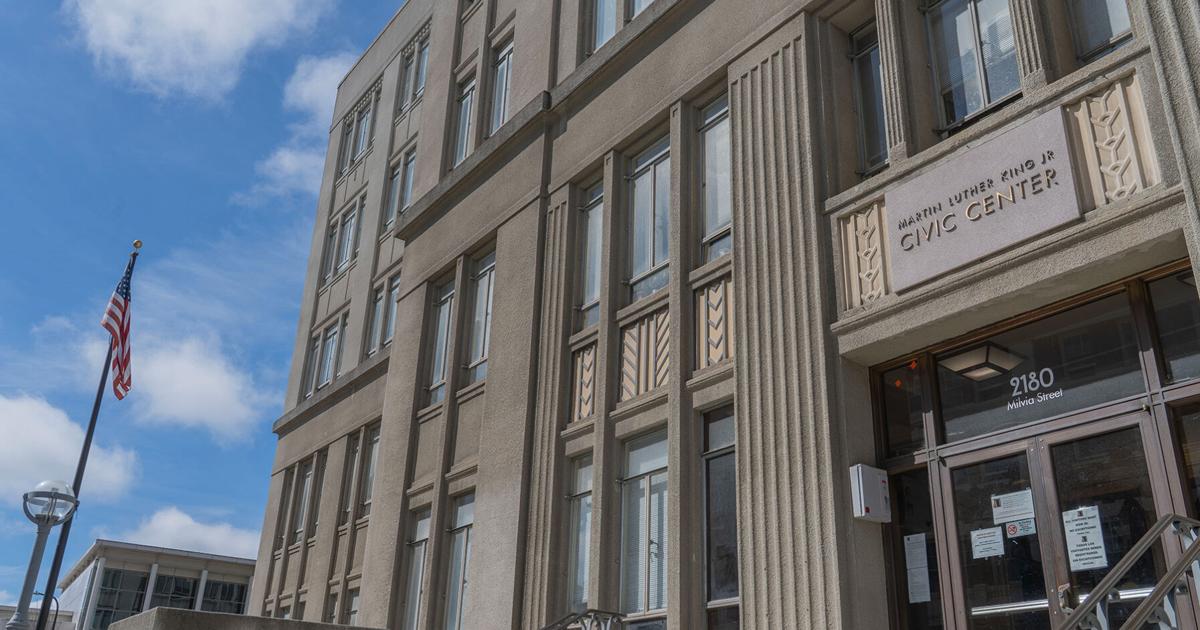
The infrastructure bond forwarded by the council would ask voters to approve a property tax increase to fund a broad set of infrastructure projects. Proposed projects include updating some aging fire stations and civic centers, renovating sidewalks for greater accessibility and replacing grass at public soccer fields with turf. In the city of Berkeley, such bonds are provided by levying property taxes.
This bond would cost voters an estimated $22.14 per $100,000 assessed property value annually. According to data provided by the city, Berkeley residents already pay more in property taxes than their neighbors in Albany or Oakland.
Berkeley residents currently pay less in sales tax than those neighbors; however, the council’s proposed 0.5% sales tax hike would raise the city’s sales tax to 10.75%, in line with Oakland and Alameda. If passed, the Berkeley City Council expects the tax hikes to net between $9 and $10 million each year.
In initial polling, both measures seemed as if they could pass.
“These would be in a position to pass but it would require some information, some campaign in favor in order to maintain that support,” said David Mermin. Mermin, a pollster with Lake Research Partners, conducted a city-sponsored survey in April of 500 likely voters’ support for these measures.
Lake Research Partners’ survey found tight margins for the passage of each measure. When confronted with arguments for and against both measures, support for the infrastructure bond measured 64% and the sales tax raise received 56% support. The survey had a 4.4% margin of error.
Both measures performed worse than in an earlier Lake Research Partners poll conducted in February, when the ballot was less developed.
The infrastructure bond would need approval from two thirds of voters to pass in November, while the sales tax hike would only require majority support.
The measures could end up on a ballot alongside a number of other local measures supporting regional transit, the arts in Berkeley, the creation of a California public bank and increased taxes on sugar-sweetened drinks. Voters would have to choose to bear the cost of each of these measures.
“Ultimately, given where the polling results were this time, I think we should still proceed,” said District 1 Councilmember Rashi Kesarwani. “I didn’t see any reason not to proceed with our plans but to go into it with the awareness that there is going to be fatigue. I think this is a tough economy for people so there needs to be a positive message around both measures.”
If the sales tax measure in particular fails to pass in November, the city could face an even greater financial crisis as it confronts a $30 million deficit born of years of reliance on one-time funding, which the city is trying to separate itself from. As the city works out a more sustainable budget, drafts for which already outline devastating cuts to city services and staffing, the sales tax measure is expected to maintain 33 staff positions which would otherwise be cut.
Should the measure fail, the city plans to axe those positions, which would bring total staff cuts to 183 full-time-equivalent positions.
“I urge the city council to look at each of your employees as real people and not as statistics on a budget spreadsheet,” said Public Employees Union Local One Berkeley President Justin Pitcher during public comment Tuesday. “Plan to work within our means today to protect services tomorrow.”
City staff and council members returned repeatedly throughout discussions Tuesday to the necessity of the ballot measures in minimizing cuts and securing the city’s long-term financial health. Ishii said she would be working “very hard” to get the measures passed.
The ballot measures are planned to return before council June 16, and a final budget draft is expected to see a vote June 23.
“The poll looks somewhat promising,” said District 3 Councilmember Ben Bartlett. “So we will cross our fingers and support this going forward.”