
For more than 25 years, the 1991 Oakland Hills Fire was the most destructive in California’s modern history. In many ways, it changed the way fire crews and communities prepare for this type of disaster.According to Cal Fire, the officially named “Tunnel Fire” burned 1,600 acres and destroyed 2,900 structures in the Berkeley and Oakland Hills. Twenty-five people died.Archived video from KCRA reports shows firefighters outmatched as hot, dry winds turned what started as a grass fire into hundreds of structure fires.”It was just something that we were not prepared for when we got here,” said one firefighter. Current California State Fire Marshal Chief Daniel Berlant says that some of that lack of preparedness came from a lack of coordination between city fire departments. “When the firefighters from San Francisco came over to Oakland, the size of their hoses did not connect to the fire hydrants in Oakland,” Berlant says.That was one of the first issues that the Office of the State Fire Marshal addressed following the Oakland Hills Fire. Today, hydrants have been standardized and hose adapters are a routine piece of equipment.This fire also exposed a need for changes to housing construction and city planning codes. Communities needed to widely adopt requirements for more fire-safe building materials, especially roofing materials.”Our biggest challenge in these type of urban conflagrations is the fact that 90% of homes that are in wildfire-prone areas were built before today’s code. So how do we retrofit?” Berlant posed, adding that his office is continuously looking for solutions to that issue. That includes modernizing firefighter training and keeping pace with climate change. Berlant says that fires today are burning hotter and faster as changes in weather patterns lead to more dried-out fuels and longer fire seasons. “And so while lessons have been learned, unfortunately, today we are experiencing now a higher frequency of wildfires burning into urbanized areas, into areas that maybe weren’t traditionally thought of as wildfire-prone,” Berlant said.REAL-TIME TRAFFIC MAPClick here to see our interactive traffic map.TRACK INTERACTIVE, DOPPLER RADARClick here to see our interactive radar.DOWNLOAD OUR APP FOR THE LATESTHere is where you can download our app.Follow our KCRA weather team on social mediaMeteorologist Tamara Berg on Facebook and X.Meteorologist Dirk Verdoorn on FacebookMeteorologist/Climate Reporter Heather Waldman on Facebook and X.Meteorologist Kelly Curran on X.Meteorologist Ophelia Young on Facebook and X.Watch our forecasts on TV or onlineHere’s where to find our latest video forecast. You can also watch a livestream of our latest newscast here. The banner on our website turns red when we’re live.We’re also streaming on the Very Local app for Roku, Apple TV or Amazon Fire TV.See more coverage of top California stories here | Download our app | Subscribe to our morning newsletter | Find us on YouTube here and subscribe to our channel
For more than 25 years, the 1991 Oakland Hills Fire was the most destructive in California’s modern history. In many ways, it changed the way fire crews and communities prepare for this type of disaster.
According to Cal Fire, the officially named “Tunnel Fire” burned 1,600 acres and destroyed 2,900 structures in the Berkeley and Oakland Hills. Twenty-five people died.
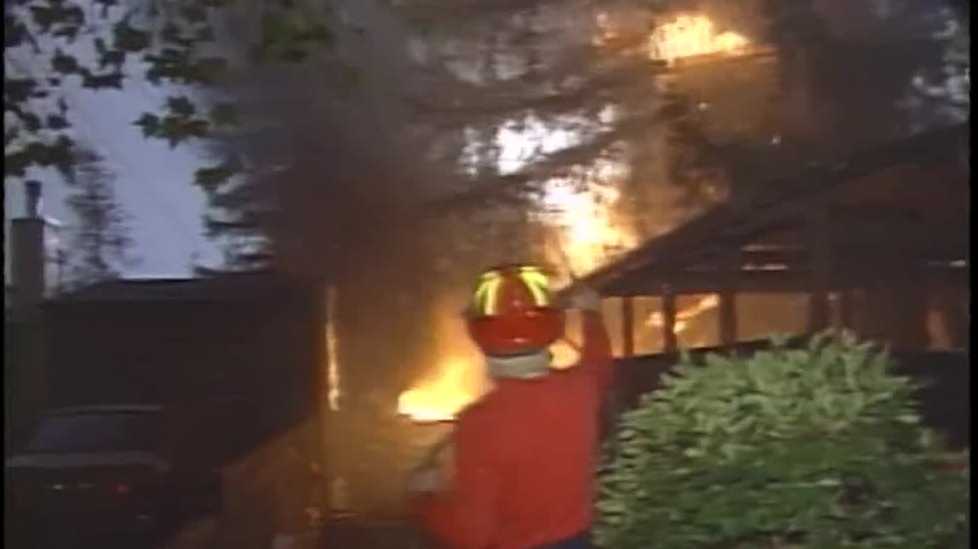
Archived video from KCRA reports shows firefighters outmatched as hot, dry winds turned what started as a grass fire into hundreds of structure fires.
“It was just something that we were not prepared for when we got here,” said one firefighter.
Current California State Fire Marshal Chief Daniel Berlant says that some of that lack of preparedness came from a lack of coordination between city fire departments.
“When the firefighters from San Francisco came over to Oakland, the size of their hoses did not connect to the fire hydrants in Oakland,” Berlant says.
That was one of the first issues that the Office of the State Fire Marshal addressed following the Oakland Hills Fire. Today, hydrants have been standardized and hose adapters are a routine piece of equipment.
This fire also exposed a need for changes to housing construction and city planning codes. Communities needed to widely adopt requirements for more fire-safe building materials, especially roofing materials.
“Our biggest challenge in these type of urban conflagrations is the fact that 90% of homes that are in wildfire-prone areas were built before today’s code. So how do we retrofit?” Berlant posed, adding that his office is continuously looking for solutions to that issue.
That includes modernizing firefighter training and keeping pace with climate change. Berlant says that fires today are burning hotter and faster as changes in weather patterns lead to more dried-out fuels and longer fire seasons.
“And so while lessons have been learned, unfortunately, today we are experiencing now a higher frequency of wildfires burning into urbanized areas, into areas that maybe weren’t traditionally thought of as wildfire-prone,” Berlant said.
REAL-TIME TRAFFIC MAP
Click here to see our interactive traffic map.
TRACK INTERACTIVE, DOPPLER RADAR
Click here to see our interactive radar.
DOWNLOAD OUR APP FOR THE LATEST
Here is where you can download our app.
Follow our KCRA weather team on social media
Meteorologist Tamara Berg on Facebook and X.Meteorologist Dirk Verdoorn on FacebookMeteorologist/Climate Reporter Heather Waldman on Facebook and X.Meteorologist Kelly Curran on X.Meteorologist Ophelia Young on Facebook and X.
Watch our forecasts on TV or online
Here’s where to find our latest video forecast. You can also watch a livestream of our latest newscast here. The banner on our website turns red when we’re live.
We’re also streaming on the Very Local app for Roku, Apple TV or Amazon Fire TV.
See more coverage of top California stories here | Download our app | Subscribe to our morning newsletter | Find us on YouTube here and subscribe to our channel