
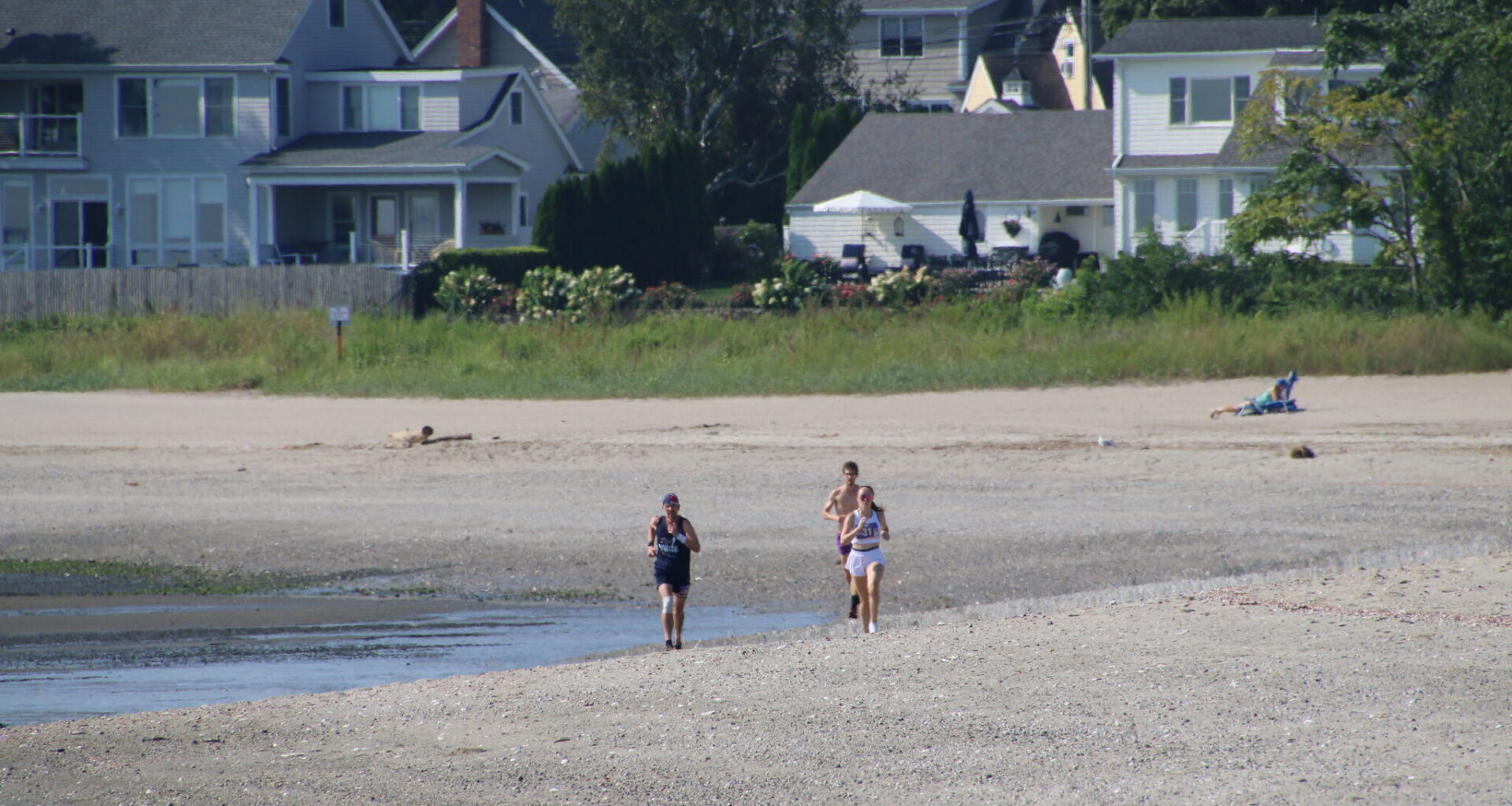
The public beach is one of five along the Long Island Sound to receive a D grade in the report. The report says that at Short Beach 40% of samples failed after wet weather, while 8% of samples failed after dry weather. In total, 46 samples were analyzed at Short Beach, with 10 being wet samples and 36 being dry samples.
Stratford’s Long Beach, however, received a B grade, which is an improvement over the C+ it received last year. Only 3% of the 31 water sample tests taken there failed last year.
Andrea Boissevain, the town’s health director, said they “monitor and take great care of” their beaches, noting that three of the 14 water samples they took at Short Beach from June to August last year failed, resulting in five days of beach closures.
“Two of those tests were due to bacterial elevations, each of which caused two days of beach closures,” Boissevain said. “The fifth beach closure day was done preemptively because we experienced more than one inch of rainfall the prior day.”
“Moreover, to reduce bacteria, we have several proactive programs in place,” Boissevain said. “The department of public works has proactively implemented goose management strategies so that geese find other areas to graze away from our beaches. The town is also working with the Short Beach Commission to explore additional options to reduce animal waste near or at the beach.”
Boissevain said beach water is typically tested on Monday mornings. If bacteria levels are elevated, a warning to swimmers is issued advising them against going into the water. Swimming would then be prohibited until testing indicates the problem has been corrected. The health department said it also instituted a policy several years ago that prohibits swimming for a minimum of 24 hours following more than one inch of rainfall and for 48 hours following two inches or more of rainfall.
“During the few occasions when there is a beach closure due to water quality test results or an influx of rain, we notify the public immediately using all our communication tools to make them aware that swimming is temporarily prohibited,” Boissevain said.
Boissevain also noted that their town’s public swimming areas are “well protected from several factors that typically contribute to contamination of beach waters.”
“The first being that the town does not have combined storm and sanitary sewers,” Boissevain said. “A combined system can lead to raw sewage bypassing into bathing waters. Secondly, there are very few homes with private subsurface sewage systems in the vicinity of Short Beach or Long Beach, so the risk of contamination from a sewage system failure is minimal.”