
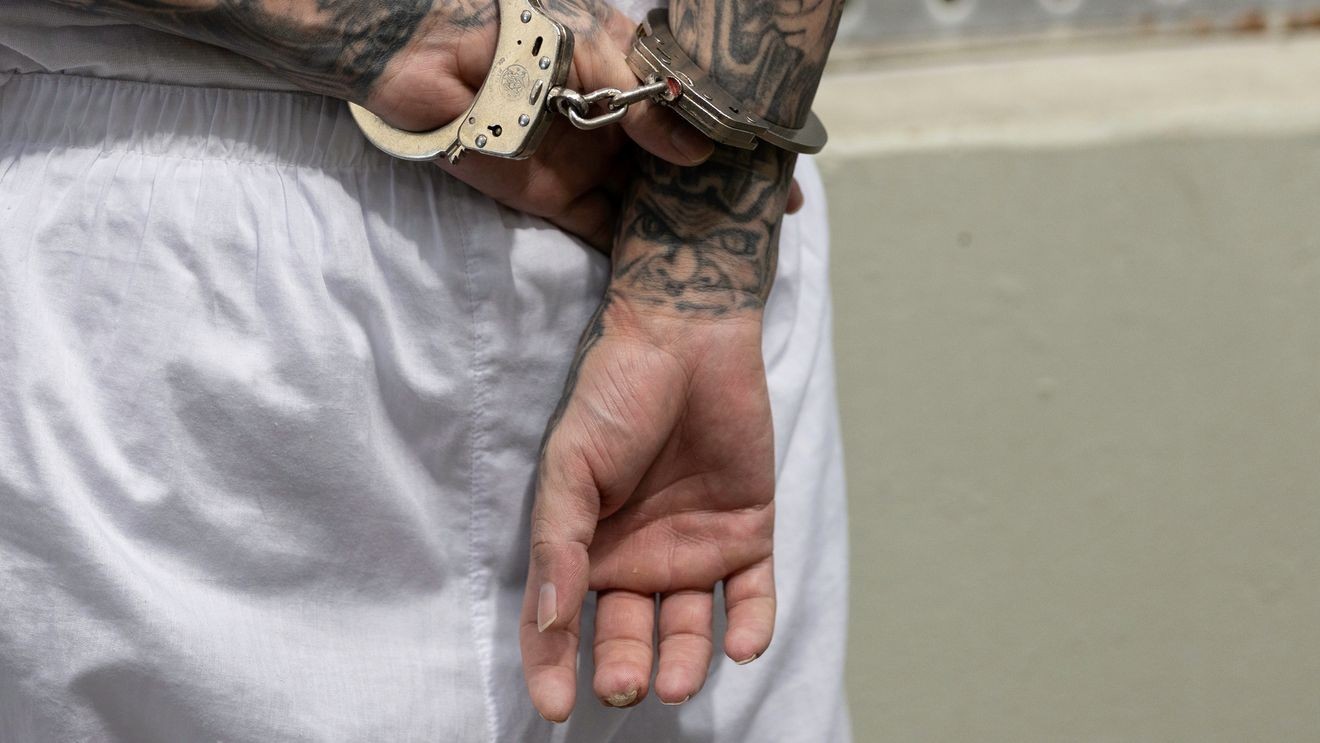
LOS ANGELES (TNND) — A tattoo has reportedly become a key piece of evidence in a high-profile federal murder trial in Los Angeles, where prosecutors alleged the artwork links a suspect to one of the most gruesome killings by the MS-13 street gang.
The Los Angeles Times on Thursday reported that Angel Guzman got the tattoo while awaiting trial in a case involving multiple murders allegedly carried out to advance members’ standing within the gang.
Prosecutors argued that the image — which the media outlet says depicts a human heart being clutched by claw-like fingers — references the 2017 killing of Juan Jose Sibrian, whose body was found mutilated in the Angeles National Forest.
Sibrian’s heart was allegedly “cut out with a machete” during the attack, per the L.A. Times.
Federal authorities allege Guzman participated in the killing as part of a broader pattern of gang violence carried out by members of the MS-13 Fulton clique.
“Among the most heinous crimes was the 2017 killings, where gang members abducted, tortured, and murdered the victims in a ritualistic manner to elevate their membership status,” the Los Angeles County District Attorney’s Office noted in a news release in November 2025.
The D.A.’s office said several killings took place in North Hollywood, the Malibu Hills, and the Angeles National Forest.
The Department of Justice said six people were killed in connection with the case, adding adding that they were “strangled, shot, stabbed with knives or a machete, beaten with a baseball bat, then, in some cases, had their bodies thrown off a cliff or down a hill in the Angeles National Forest.”
Prosecutors, according to the report, argued that extreme acts of violence were used to earn respect and elevate status within the gang. They said the tattoo serves as a symbol of gang loyalty and a celebration of violence carried out to elevate status within the gang.
Comment with Bubbles
BE THE FIRST TO COMMENT
Defense attorneys challenged the argument, saying tattoos and gang imagery do not necessarily prove involvement in specific crimes. Prosecutors, however, said the artwork helps establish gang affiliation and illustrates the culture of violence at the center of the case.