
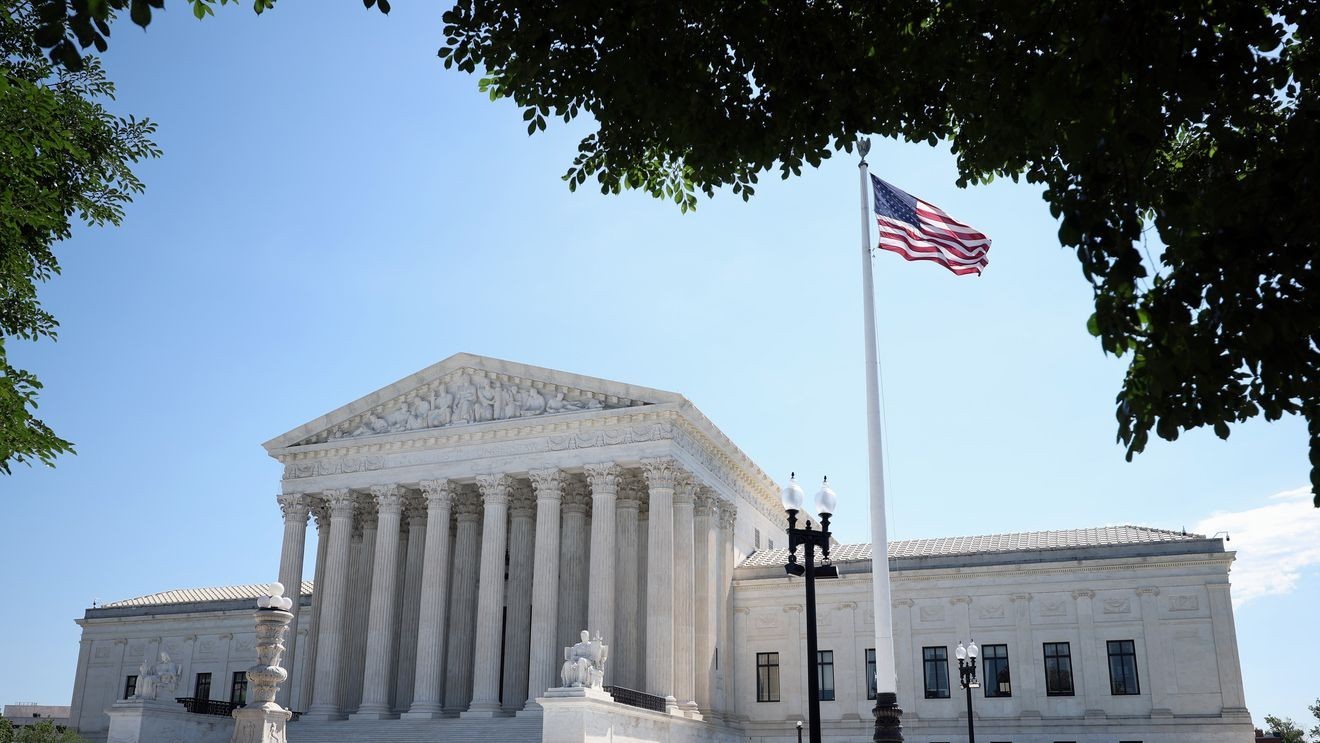
WASHINGTON (TNND) — As the Supreme Court enters the final weeks of its term, some of the year’s most significant decisions are still waiting to be released.
The court traditionally saves many of its biggest rulings for June, and this year is no exception. Cases involving birthright citizenship, transgender athletes, gun rights, and presidential power could have sweeping consequences for millions of Americans.
Birthright citizenship case could reshape immigration policy
One of the most closely watched cases involves President Donald Trump’s executive order seeking to limit birthright citizenship for some children born in the U.S. to noncitizen parents.
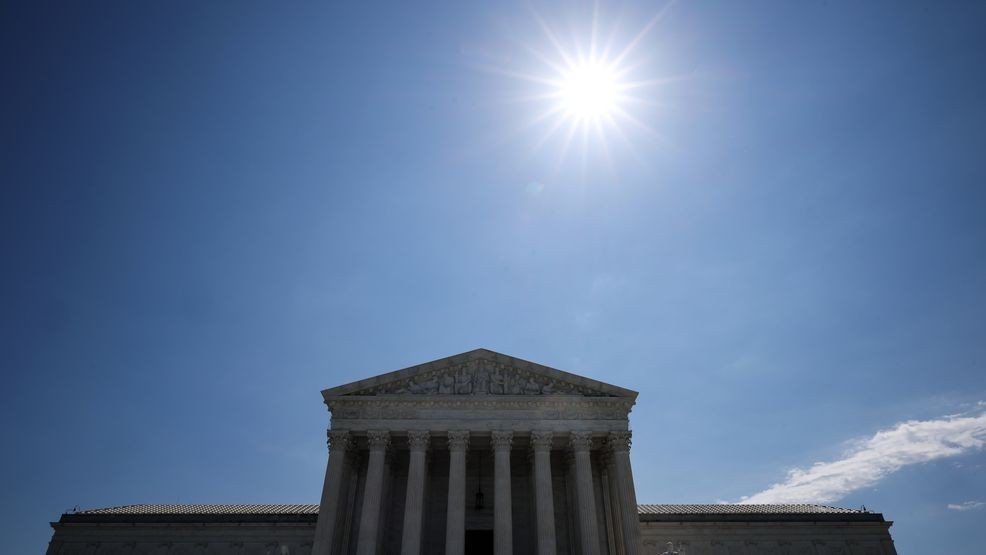
WASHINGTON, DC – MAY 28: The U.S. Supreme Court is seen on May 28, 2026 in Washington, DC. Alabama officials have asked the Supreme Court to pause a lower court’s order barring the use of a congressional district map that was ruled to be discriminatory against Black voters for the 2026 midterm elections. (Photo by Kevin Dietsch/Getty Images)
The case centers on the interpretation of the 14th Amendment, which has long been understood to grant citizenship to nearly anyone born on U.S. soil. While the court’s decision could have major implications for immigration policy, it may also determine the limits of presidential authority when it comes to changing longstanding legal interpretations.
Transgender athlete case could affect schools nationwide
The justices are also considering a case involving transgender athletes and school sports. The dispute focuses on whether states can restrict participation in girls’ and women’s sports based on a student’s sex assigned at birth, or whether such restrictions violate federal civil rights protections.
The ruling could influence policies at schools and athletic programs across the country.
Questions about presidential power
Another major case asks how much authority presidents have over independent federal agencies.
The decision could affect whether presidents can remove leaders of agencies created by Congress to operate with a degree of independence from the White House. Legal experts say the outcome could shape how future administrations implement policy and how much control presidents have over parts of the federal government.
While Supreme Court cases can sometimes seem distant from everyday life, the rulings often have effects that extend far beyond the courtroom. The pending cases could influence who qualifies for U.S. citizenship, what rules students follow in school athletics, and how federal policies are created and enforced.
Unlike Congress, which can revisit laws through future legislation, the Supreme Court’s decisions often establish legal precedents that remain in place for years or even decades.
Is there a theme emerging from this court?
Court watchers say many of this term’s biggest disputes share a common thread: power. Several pending cases ask fundamental questions about who gets to make rules in American society and how much authority government officials should have. Whether the issue is immigration, education, federal agencies, or executive authority, the justices are increasingly being asked to define the boundaries between individual rights and government power.
That is one reason the final weeks of the Supreme Court’s term are drawing such close attention. The decisions released this month could shape American law — and daily life — long after the headlines fade.