
AUSTIN, Texas — **Editor’s note: This story has been updated to reflect that the dog case initially reported in Andrews County, Texas, has been reclassified as the first confirmed case of New World screwworm in New Mexico, according to USDA.
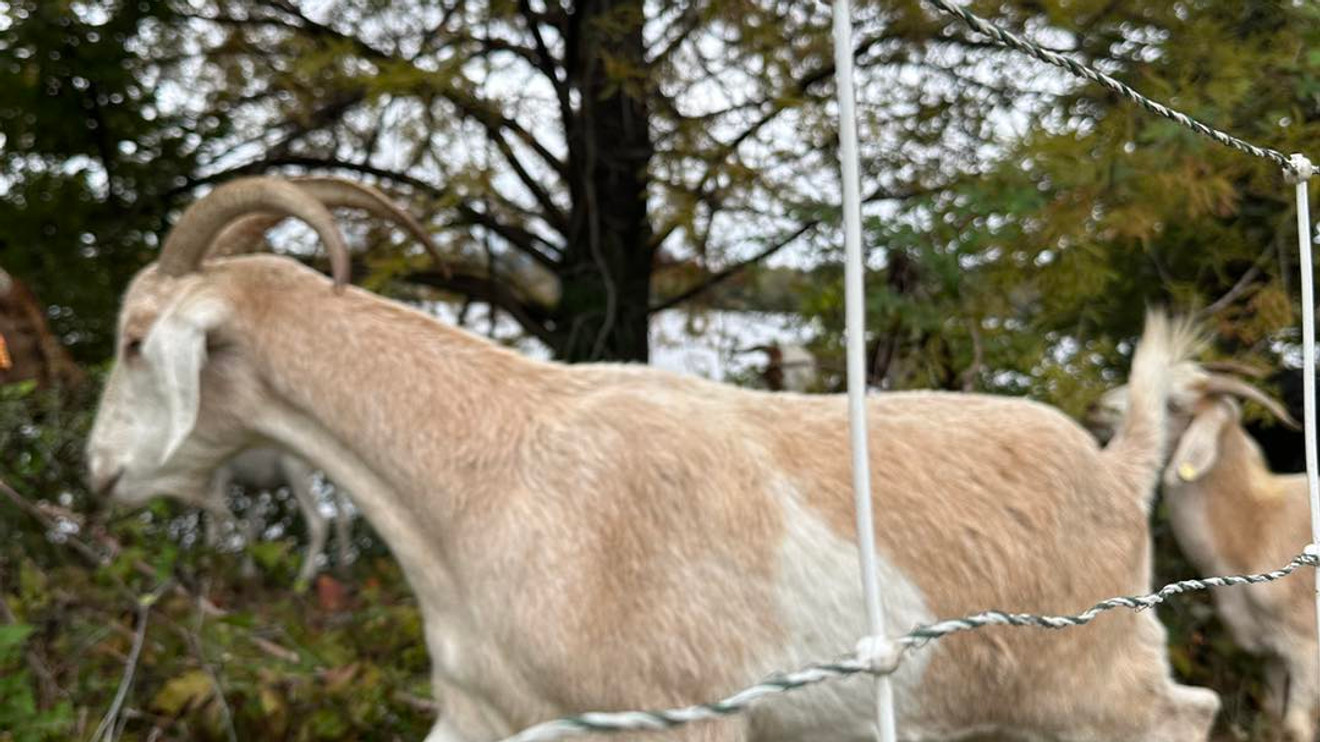
New World screwworm has spread to the Texas Hill Country after federal officials confirmed a case in a Gillespie County goat Monday.
The U.S. Department of Agriculture’s Animal and Plant Health Inspection Service also confirmed that a dog case initially reported in Andrews County, Texas, has been reclassified as the first confirmed case of New World screwworm in New Mexico. Investigators determined the dog resides in Lea County, New Mexico, though the treating veterinarian who reported the case is based in Texas.
A calf in La Salle County was also confirmed Monday, bringing the Texas total to four cases.
The latest detections come days after Gov. Greg Abbott expanded a statewide disaster declaration Friday and USDA confirmed a second case in Zavala County. According to officials, the second case involved a one-month-old calf found 5.6 miles from the site of the country’s first confirmed case, which was detected June 3 in a 3-week-old calf in La Pryor.
“Over the past week, USDA has identified and expeditiously confronted four confirmed detections of New World screwworm,” said Dudley Hoskins, USDA Under Secretary for Marketing and Regulatory Programs. “We need the partnership of animal owners across the region – please stay vigilant, check your animals closely, and report anything that looks suspicious. Together, we can protect our livestock, our communities, and the health of animals nationwide.”
USDA and the Texas Animal Health Commission have deployed 75 personnel on the ground, with hundreds more providing laboratory, logistics and operational support. Officials have established a 20-kilometer infested zone around confirmed detections, imposing quarantines and movement controls.
The parasite, whose larvae burrow into the living tissue of warm-blooded animals causing severe wounds and potentially death, poses a significant threat to Texas’s cattle and wildlife industries.
A USDA estimate put potential economic damage to Texas at $1.8 billion in the event of a full outbreak, and officials warned the crisis could further drive up already record-high beef prices nationwide, the Texas Tribune reported.
Abbott said the screwworm “can spread like wildfire” and warned that without aggressive intervention, the infestation could survive the summer and become entrenched. “We can’t make it through a second summer,” he said Friday.
To combat the spread, USDA has activated a sterile fly dispersal facility at Moore Air Base in Edinburg, where aerial dispersal flights were set to begin Tuesday.
The agency has released more than 130 million sterile flies in Texas since January, though officials said past eradication efforts required as many as 500 million flies.
A permanent production facility at the Edinburg base, designed to produce 300 million sterile flies per week, is not expected to be operational until fall 2027. Abbott said he was pushing to accelerate that timeline to May 2027, offering round-the-clock construction resources from state agencies and university systems.
The sterile fly strategy works by releasing male flies that mate with wild females, which can only mate once in their lifetimes, producing eggs that never hatch.
USDA said the U.S. food supply is not at risk. Screwworm does not infest meat, fruits, vegetables or other food products, and any affected animal would be identified during federal inspection before entering commerce.
Officials urged pet and livestock owners to check animals for draining or enlarging wounds, maggots or egg masses, signs of discomfort, and lesions near body openings. Suspected cases should be reported immediately to a veterinarian, state animal health official or USDA. Though rare, humans can also be affected, and anyone with a suspicious lesion was advised to seek immediate medical care.
More information is available at screwworm.gov.