
The San Francisco Bay Area has one of the most distinctive World Cup setups in 2026 as the name says San Francisco, but the football will be played deep in Silicon Valley.
That matters for every fan booking flights, hotels and matchday travel. The six games assigned to the Bay Area will all take place at Levi’s Stadium in Santa Clara, temporarily renamed San Francisco Bay Area Stadium for the tournament.
Spain receives a traditional Mexican welcome ahead of the World Cup
It’s the home of the NFL’s San Francisco 49ers, but during the World Cup it becomes a 71,000-capacity football venue and the center of a regional event stretching from San Francisco to Oakland, San Jose and beyond.
The schedule includes five group-stage matches and one knockout fixture. Qatar face Switzerland on June 13, Austria play Jordan on June 16, Turkey meet Paraguay on June 19, Jordan take on Algeria on June 22 and Paraguay face Australia on June 25. The stadium will then host a Round of 32 match on July 1.
The match list may not have the immediate glamour of Lionel Messi, Brazil or England in the group stage, but that can work in fans’ favor. These are the kind of games where travelling support, upset potential and more accessible tickets can create some of the tournament’s best atmospheres.
Where fans should stay and how to travel
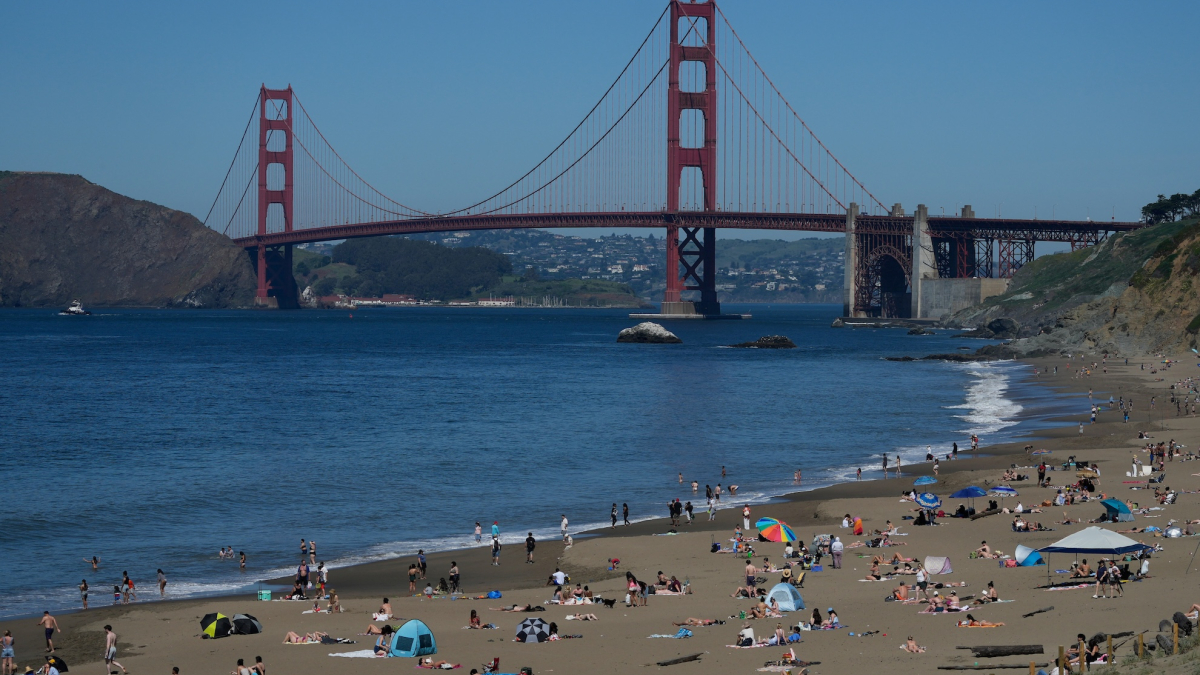
The most important decision is where to base the trip. San Francisco offers the tourist landmarks, from the Golden Gate Bridge and Fisherman’s Wharf to the Mission District and Golden Gate Park. But it is not the easiest base for matchdays.
Fans who want a smoother stadium experience should consider Santa Clara, San Jose, Palo Alto or other South Bay and Peninsula locations. Staying closer to the stadium can reduce the pressure of navigating Bay Area traffic, especially for evening matches.
Driving is possible, but it shouldn’t be the first choice for most visitors. Parking near major events can be expensive and limited, while traffic between San Francisco and Santa Clara can quickly become unpredictable.
Public transport will be central to the World Cup experience. VTA light rail serves the Great America station, a short walk from the stadium, while Caltrain can connect fans down the Peninsula with a transfer at Mountain View.
BART is useful for reaching San Francisco, Oakland and other parts of the region, though most fans will need another connection to get to Santa Clara. Amtrak Capitol Corridor and ACE trains also offer options from other parts of Northern California.
What to do away from the stadium
The Bay Area’s biggest advantage is that the World Cup trip does not have to revolve only around matchday.
In San Francisco, visitors can spend time around the Golden Gate Bridge, Telegraph Hill, Pier 39, Golden Gate Park or the city’s famous food neighborhoods.
Oakland offers Jack London Square, arts, nightlife and a strong restaurant scene, while San Jose has attractions such as the Winchester Mystery House and the Rosicrucian Egyptian Museum.
Closer to the stadium, fans can visit the Triton Museum of Art in Santa Clara or head to California’s Great America if its tournament-week hours fit their plans. Those willing to go farther can add Santa Cruz, Half Moon Bay, Napa or Sonoma to the itinerary.
Food is another reason to explore beyond one city. San Francisco brings sourdough bread bowls and seafood, Oakland has standout Thai, Ethiopian and burger spots, and the wider region offers excellent Mexican and California cuisine.
The final tip is simple: pack for two climates. Santa Clara can be hot and dry in June, while San Francisco and the coast can turn cool and foggy within the same day.
For fans who plan it properly, the San Francisco World Cup is really a Bay Area adventure. The stadium is in Santa Clara, but the experience stretches far beyond it.