
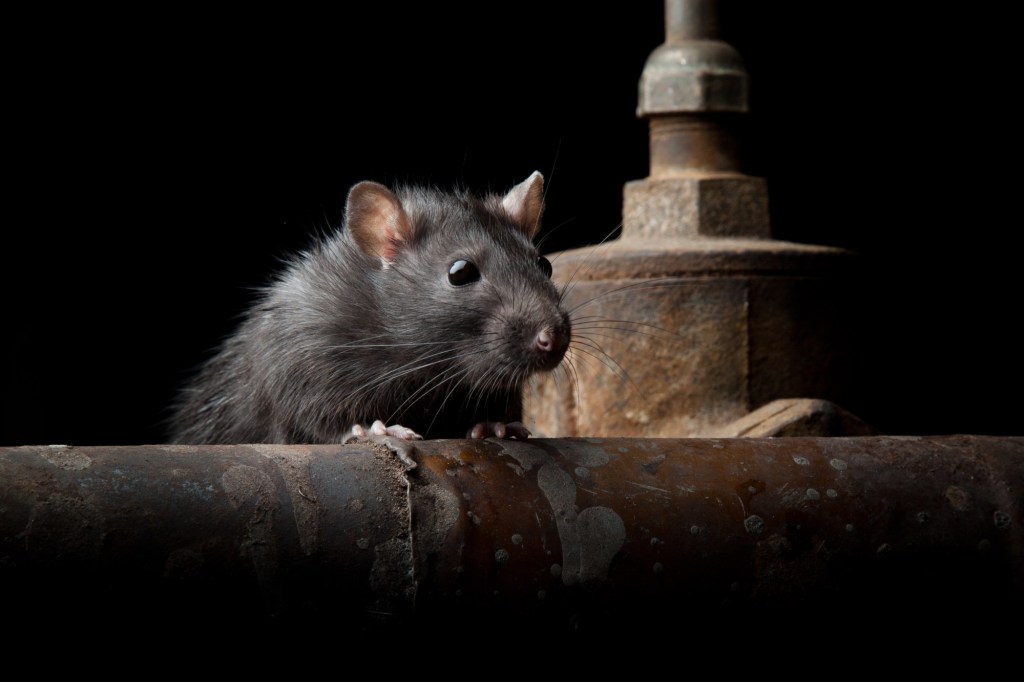
BERKELEY — One person died and another fell ill after they contracted a bacterial disease from wild rats they were keeping inside their RV in Berkeley, city officials said.
The human cases of leptospirosis are the first in the city in more than a decade, City Manager Paul Buddenhagen wrote in a public health update to the city council Wednesday.
Leptospirosis is commonly carried by rats globally; while cases among people are rare, the bacterial disease can be transmitted to humans through the urine of an infected rat.
The human cases in Berkeley were confirmed last month, Buddenhagen said in the update. He did not specify when the person had died, but said that the city’s public health department confirmed the cases in May.
“Both individuals lived together in a recreational vehicle in which they had been trapping, feeding and breeding wild rats,” he said “In addition, the vehicle was severely infested with wild rats that were not in cages.”
Buddenhagen said the RV was parked about a mile from Harrison Street, where rats and two dogs living in and around homeless encampments tested positive for leptospirosis in December.
“The individuals fell sick, but they did not seek medical care for weeks and possibly months,” he said.
Firefighters took the couple to an area hospital, where one of them died. The other recovered after receiving treatment.
Alameda County Vector Control laid traps inside the RV and in the immediate vicinity, Buddenhagen said. After nearly 200 rats were removed, the RV was towed and destroyed.
Buddenhagen said the city is taking steps to prevent additional cases in humans and dogs, including targeted outreach to homeless encampments in a 1.5-mile radius around the Harrison Street corridor, debris removal and regular trapping and testing of rats. Anyone concered about a wild rat infestation should contact a professional exterminator or vector-control agency, since commercial poisons can still allow for the spread of the disease.
The general risk to the public remains “extremely low,” Buddenhagen said, adding that the bacteria associated with leptospirosis cannot survive in typical dry, clean properties. Testing of mud and water around the Harrison Street corridor and the Cordonices Creek area did not find any spread of the infection.
“It requires constant moisture, standing water or heavy rodent infestations to pose a threat,” he said.
Check back for updates.