
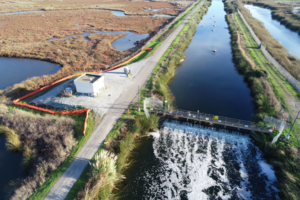
The San José – Santa Clara Regional Wastewater Facility (RWF), one of the largest advanced wastewater treatment plants in the western United States, is undergoing a transformation driven by the multi-billion-dollar Capital Improvement Program. The aim is to rebuild infrastructure worn out from non-stop service since 1956 and to update treatment processes with new technologies.
The Program, which envisions $2 billion in facility investments over a 30-year period, is the largest public works programme in the history of the City of San José. The scale of this investment reflects both the importance of wastewater infrastructure and the complexity of operating a large urban treatment facility.
Harnessing Nature Through Advanced Treatment
With San José ranking among the largest cities in the United States by population, continuous modernisation is essential. Over the last decade, over $1 billion has already been invested into improvements to significantly enhance the facility’s operation.
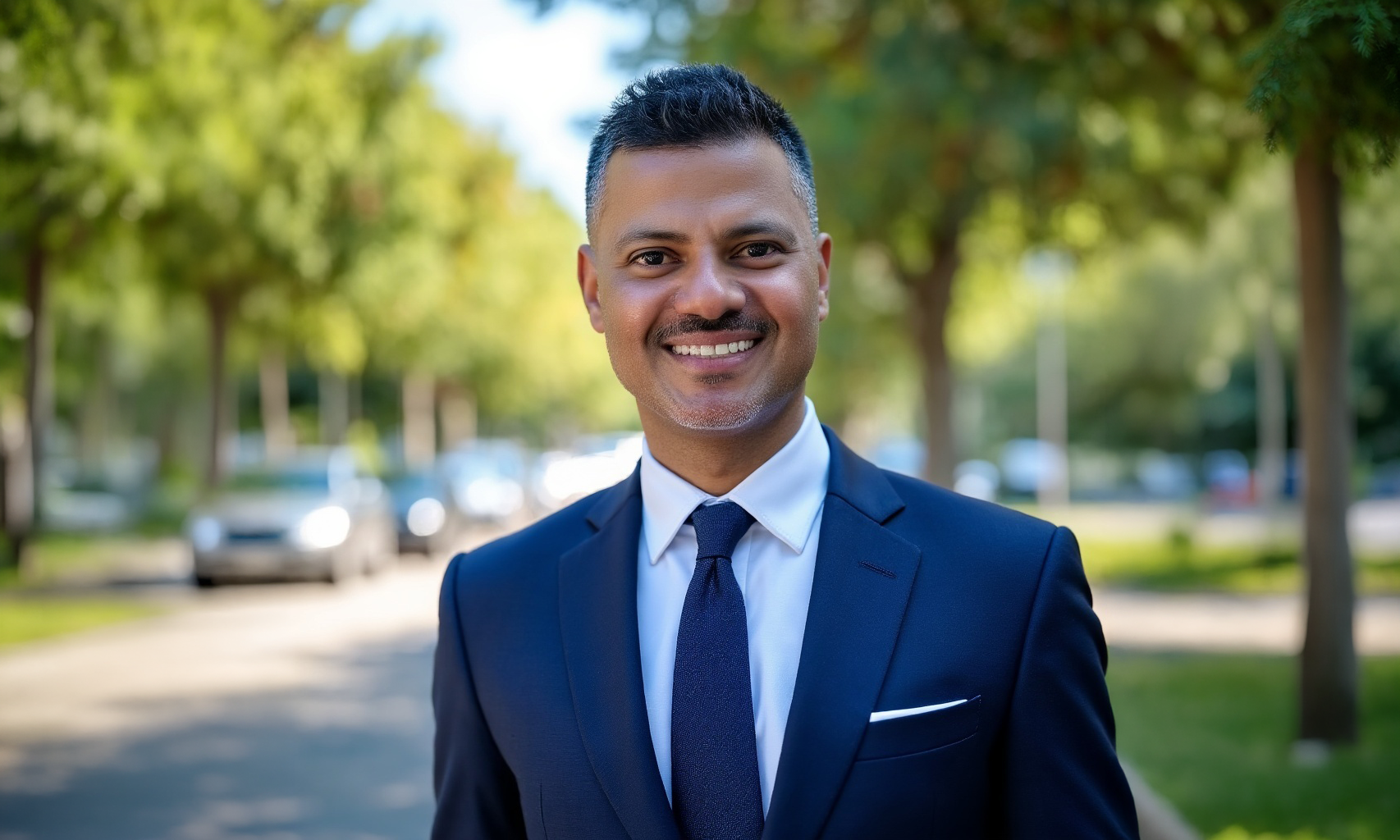
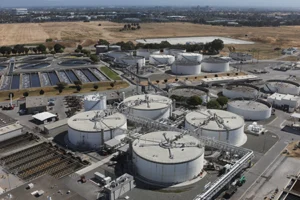
Deputy Director Kapil Verma acknowledges that serving a region with a vast population, the facility is a critical piece of public infrastructure. “RWF is the second largest advanced wastewater treatment facility in the western United States,” he says. “We have a permitted capacity of 167 million gallons per day, and we generally process about 110 million gallons per day of wastewater as an annual average.”
“The RWF is an award-winning facility, both in its operation, its staffing, and its projects. We’ve received local, state, and national recognition across the board. We consistently meet our permitted discharge requirements, and we’re a steward of the environment.”
At the heart of the plant’s operations lies a sophisticated treatment process designed to replicate (and accelerate) natural biological cycles. The facility uses a biological nutrient removal (BNR) process that significantly reduces pollutants before water is released into the natural environment. “Centralised wastewater treatment facilities essentially mimic what nature intended. They simply speed up the process to treat waste more efficiently,” Verma says.
He explains that during the aeration stage of treatment, naturally occurring bacteria break down organic waste. Meanwhile, anaerobic digesters process biosolids in a system that he compares to the human digestive system. “Anaerobic digesters are effectively mimicking the human stomach, breaking down solids and producing by-products that we can manage and reuse.”
Meeting Stringent Requirements
Among the most significant technological advancements underway at the Santa Clara Regional Wastewater Facility is the modernisation of its biosolids management system. Historically, the facility relied on large drying beds where biosolids were naturally dehydrated using sunlight – a method made possible by the plant’s extensive land area.
That approach is now being replaced by mechanical dewatering technology using centrifuges that dramatically accelerate processing times. “What may have taken a few years to accomplish could now occur in a matter of a day,” says Verma. “In front of us right now is the Additional Digester Facility Upgrade Project, which is one of the final steps in our entire biosolids processing programme. Once completed, our biosolids process projects are effectively done.”
While biosolids improvements are nearing completion, the facility is already planning the next phase of capital investment. “The next major shift will be improvements in our aeration system,” Verma says. “We’re anticipating fairly stringent regulations on the horizon, and meeting those requirements will require both asset rehabilitation and new process technology.”
The first phase of the aeration upgrade alone is valued at over $250 million. This is part of a broader investment plan that allocates roughly $1.6 billion over the next decade for continued modernisation of not just the treatment equipment but also the extensive network of supporting assets, including pipelines, buildings, and underground utilities.
All About People
Verma affirms that while infrastructure and technology dominate headlines, the true strength of the facility and its progress lies in its workforce. “It’s all about the people – people are everything,” he says. “Under strong leadership from Santa Clara Regional Wastewater Facility General Manager, Mariana Chavez-Vazquez, we invest a lot of energy in recruiting and retaining the best talent in the industry.”
“We invest heavily in professional development, whether that’s earning licences, attending training programmes, or participating in industry conferences. We also partner with leading universities to build a pipeline of future talent through internships and collaborative programmes.”
Despite the increasing role of digital technologies and artificial intelligence in infrastructure management, Verma believes the wastewater sector will remain fundamentally human-centric.
“It’s about relationships and the human element in making decisions on how to operate, maintain, and rebuild facilities. AI and data tools may improve efficiency, but the expertise of engineers, operators, and technicians remains essential to ensuring safe and reliable operations,” he says.
He points out that the facility’s procurement policies encourage participation from contractors and consultants with a local presence, particularly small businesses. “When you’re talking about investments of this magnitude, it helps stimulate the local economy. We want to ensure that local businesses have the opportunity to be part of the programme.”
Vital Pillar of Urban Infrastructure
As San José continues to grow, the Santa Clara Regional Wastewater Facility will remain a vital pillar of the city’s infrastructure. Through sustained investment and a strong focus on people, the facility is positioning itself not just as a utility but as a model for the future of urban environmental management.
Summarising the progress of the facility over the last decade, Verma admits that the Program represents both a professional milestone and a personal mission. He joined the facility in 2014 and has watched and steered the transformation as it has unfolded throughout the years. “I’ve never had a boring day in twelve years,” he reflects. “There are certainly challenging days, but those challenges are what keep me coming back for more.”
“We are now in the middle of the Capital Improvement Program that we’ve built from scratch. We’ve hired and have developed the best talent in the industry, and we’ve created our own culture and rules of engagement here. We are really proud of what we have accomplished.”
Beyond the technical achievements, the work carries a deeper sense of purpose, he affirms. “Being personally involved in protecting our natural environment in a densely populated region has been incredibly rewarding. I feel very fortunate in my career to be doing what I’m doing here, being part of a very important industry. And I’m really excited for what’s ahead,” he concludes.