
Have you noticed that much of the news these days involves actions that are fraught with conflict? This is especially common in politics and in government policymaking.
At every level — national, state, county, city and various agencies — proposals and decisions are thrust upon the public that ignite horrendous backlash. This is notably present where such proposals and decisions are made in the absence of interested parties and adequate research and information.
This is far from a unique attribute of political organizations. But some recent local incidents have achieved major attention from the public. At the top of this lot is San Diego’s ill-conceived plan to overcharge city property owners for trash services.
By a small majority vote of the public, the city was permitted to create a fee plan, as long as the fee schedule did not exceed actual costs. All hell broke loose when numerous stakeholders found massive flaws in the plan, forcing the city to back down. Eventually, additional stakeholders, representing different positions, were brought into the discussion and only then did a compromise emerge for consideration.
Equally flawed was the move by the city to initiate fees for parking at Balboa Park. If done properly, with the respect and involvement of key stakeholders, the city might have been able to build an acceptable case for parking fees.
If fairness is at issue, there is certainly a precedent for charging for parking. And, if we recognize that parking is not actually free of cost to the city, would it not be reasonable to ask the actual users to cover part of this burden?
But, as is typical of the city, key stakeholders were not brought into the discussion. Consider, if you would, what the outcome would have been if the key stakeholders (local public, visitors, business and museum operators, their staff, and volunteers) were invited to the table. If asked for inputs, they might have protested the overall plan for fees, but then would have made important suggestions if left with no other choice.
By this simple offer to be part of the process, these stakeholders would have been more likely to buy into the plan. This is a fundamental human response.
This concept, of inviting all stakeholders, including known adversaries, has exceptionally wide opportunities for application. For an unusual example, we can look at the recent encyclical by Pope Leo XIV. In Magnifica Humanitas, Pope Leo dives deeply into the possible ramifications of the technological revolution brought about by Artificial Intelligence (AI).
Far from being a religious work, it is the compilation of the concerns that mankind might face from the potential upset of traditional standards and values. Pope Leo, in demonstrating a deep understanding of the possibilities and the threats, did an interesting thing. Fearing the potential for chaotic disruption of key labor and economic norms as well as having tremendous power in the hands of a few AI moguls, the Pope actually invited AI leaders to the table.
In fact, the CEO of Anthropic was his guest at the presentation of the encyclical. One might call this sleeping with the enemy. But if the issues are to be addressed, AI leadership must be involved.
For this to bear fruit, participants (the stakeholders) must be willing to suppress their zero-sum mentality. Fair and workable solutions to existential issues cannot be fabricated of winners and losers. The group must strive for win-win.
In reality, all hands working together always produces a better result than a solution devised by those with the most power. The latter leaves too many valuable resources on the outside, unwilling to freely make their contribution to success.
We need leaders who have the strength to invite combatants into the tent. President Lincoln demonstrated that with his “team of rivals” — a very diversified Cabinet. A team of yes-men does not add any value or knowledge to dealing with the issues. To reveal the risks and down-side of any initiative, one needs to invite others who have greater knowledge and possibly different views. Without this, any product will be flawed.
Here is the simple rule for complex endeavors. In order to get to a win-win outcome, the team must consist of a wide range of stakeholders who will promote a vigorous dialogue, aiming for reasonable compromise.
We can envision an upcoming plea by San Diego County leaders for a county-wide sales tax increase. Recently, our current supervisor has demonstrated concern only for self promotion and the support of organized public employees. We can expect that she will engage in a process where people who are important and necessary to gain sufficient support will be left out of any discussion on a tax increase.
Conservatives on the board and numerous stakeholders, including members of the public, are likely to be disregarded, leading to failure of an otherwise legitimate initiative.
The bottom line is that leaders must be willing to expose themselves to different views and positions, as well as to give ground where it leads to a fairer and workable solution. Establishing an atmosphere of non-critical dialogue is a key component of this process. And any zero-sum, winner-take-all attitude must give way to a win-win process.
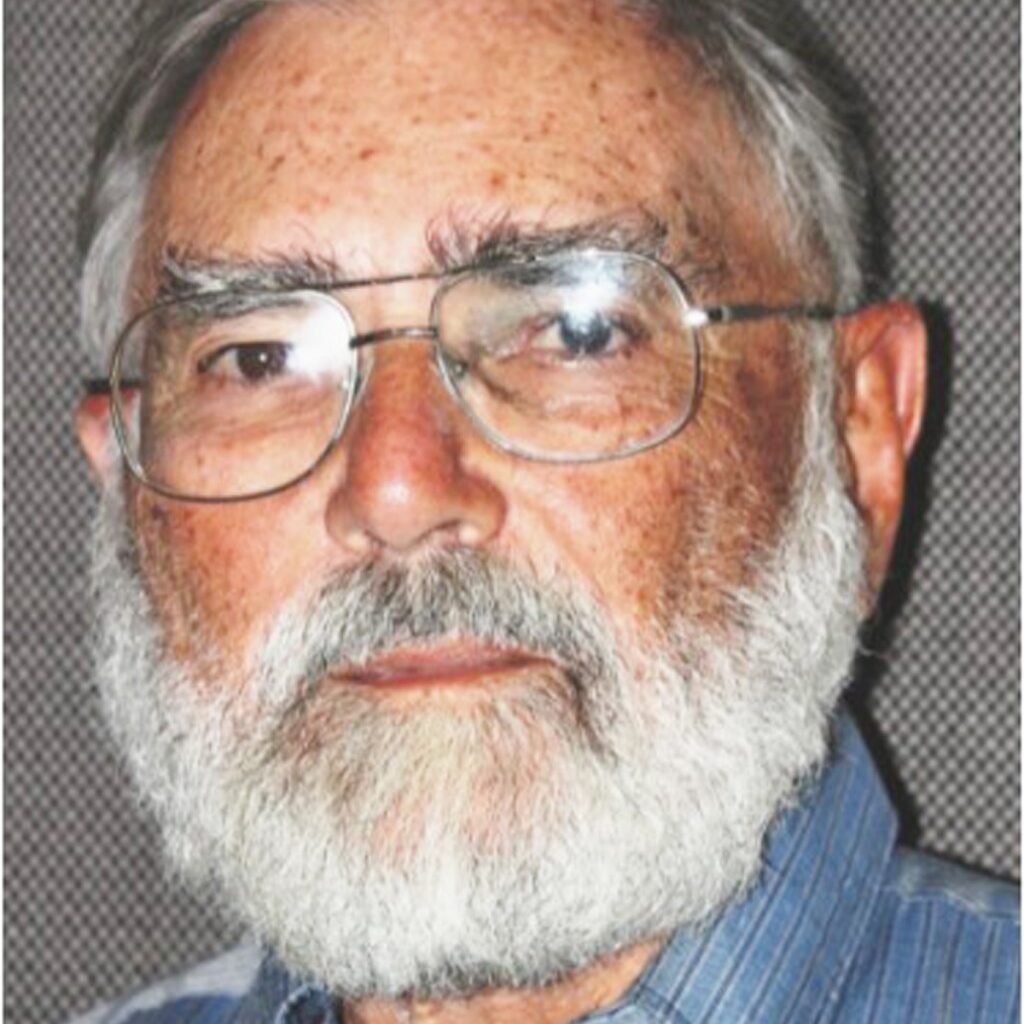
A Rancho Bernardo resident, Levine is a retired project management consultant and the author of three books on the subject. Write to Levine at levine-rbnews@earthlink.net