
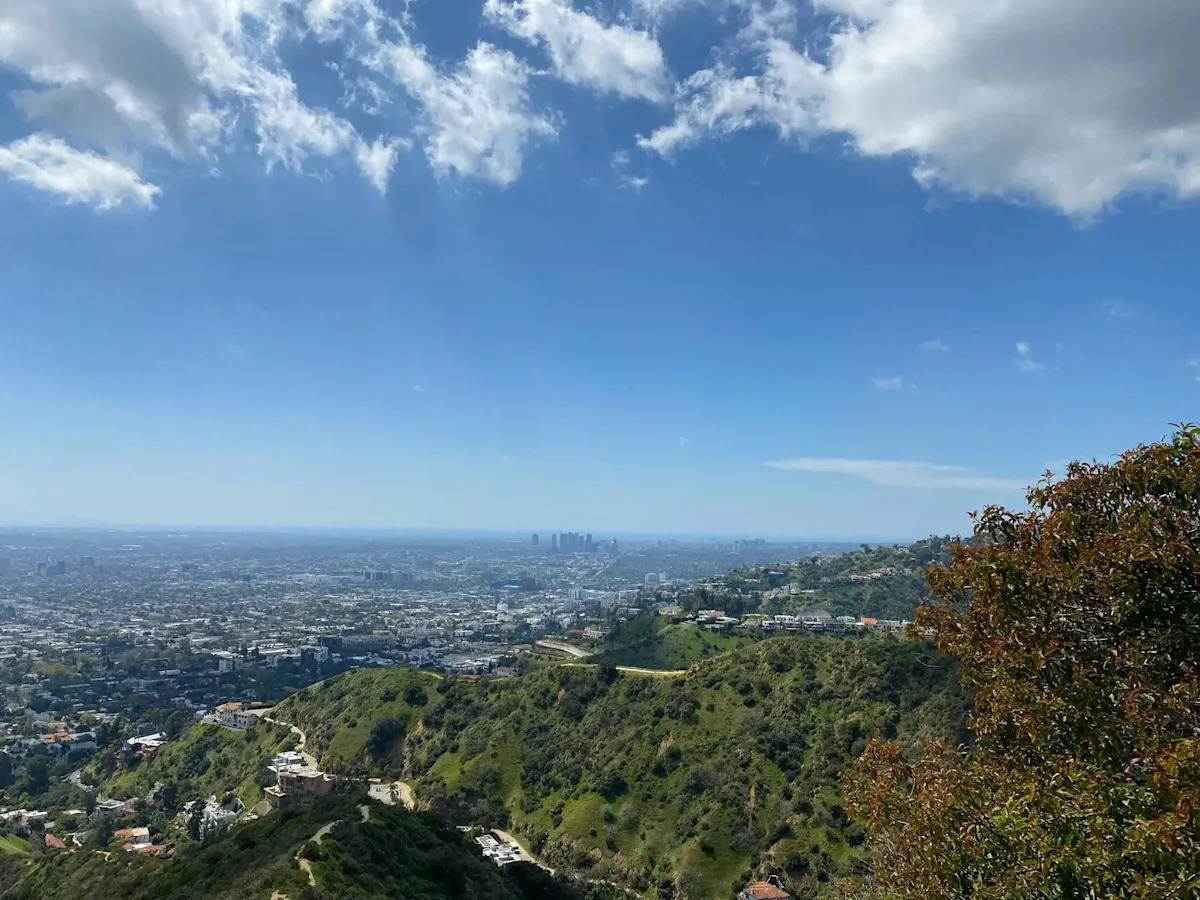
Los Angeles faces a persistent shortage of parks, leaving many neighborhoods with limited access to greenery. Residents responded by reimagining San Vicente Boulevard as an urban park that sits in plain view along a major corridor. The change converts a busy roadway into a functional green space without requiring new land acquisition.
Addressing the City’s Park Deficit
Los Angeles ranks among major U.S. cities with the least park acreage per resident. This shortfall affects daily life for families and individuals seeking outdoor recreation close to home. The boulevard project directly targets that gap by adding greenery along an established route. The effort shows how existing infrastructure can serve dual purposes. A street once dedicated solely to traffic now supports walking, resting, and light recreation. Stakeholders include nearby residents, local businesses, and city agencies that manage public rights of way.
The Reimagining Process
Residents initiated the transformation after identifying underused space along the boulevard. They focused on planting, seating, and path improvements that integrate with the existing roadway. The result creates a linear park that feels both accessible and surprising to passersby. Timeline details remain limited, yet the project moved from concept to visible change through community coordination. Affected parties range from daily commuters who now share the corridor with pedestrians to property owners adjacent to the new plantings. Practical consequences include increased shade, reduced heat in summer months, and new opportunities for neighborhood interaction.
Benefits for Local Stakeholders
The updated boulevard delivers measurable improvements in air quality and visual appeal. Residents gain a nearby destination for exercise and relaxation without traveling to larger regional parks. Businesses along the route may see higher foot traffic from people using the new space. A compact comparison illustrates the shift:
Before
After
Primarily vehicle-focused corridor
Shared space with greenery and seating
Limited pedestrian amenities
Added paths and plantings
Standard urban heat exposure
Increased shade and cooling effect
These changes reflect a broader pattern of communities adapting streets for multiple uses.
Implications for Future Urban Planning
The San Vicente Boulevard example demonstrates how small-scale interventions can expand green access in dense cities. City planners and residents elsewhere may examine similar corridors for comparable adaptations. The approach avoids large capital projects while delivering immediate environmental and social returns. Ongoing maintenance will determine long-term success. Coordination among residents, municipal departments, and advocacy groups remains essential. The project underscores that meaningful park expansion can occur through creative use of space already present in the urban fabric.
AI Disclaimer: This article was created with the assistance of AI tools and reviewed by a human editor.
The post Residents Turn San Vicente Boulevard Into Los Angeles Park appeared first on The Garden Magazine.