
At the same time Cooper warned of a public safety emergency, his department separately requested $16 million in new appropriations — enough to add 45 positions and 18 brand-new vehicles.
The requests include two new vehicles for the Homeless Outreach Team — the same unit the sheriff warned could be eliminated. Other vehicle requests cover patrol operations, specialized investigations, and waterway enforcement.
A significant portion of the growth — $11.7 million through a separate county correctional health appropriation — is driven by the office’s legal obligations under the federal Mays Consent Decree to fund accessibility and medical upgrades inside county jail facilities.
Warnings of an impending safety crisis also are undercut by the sheriff’s own crime data.
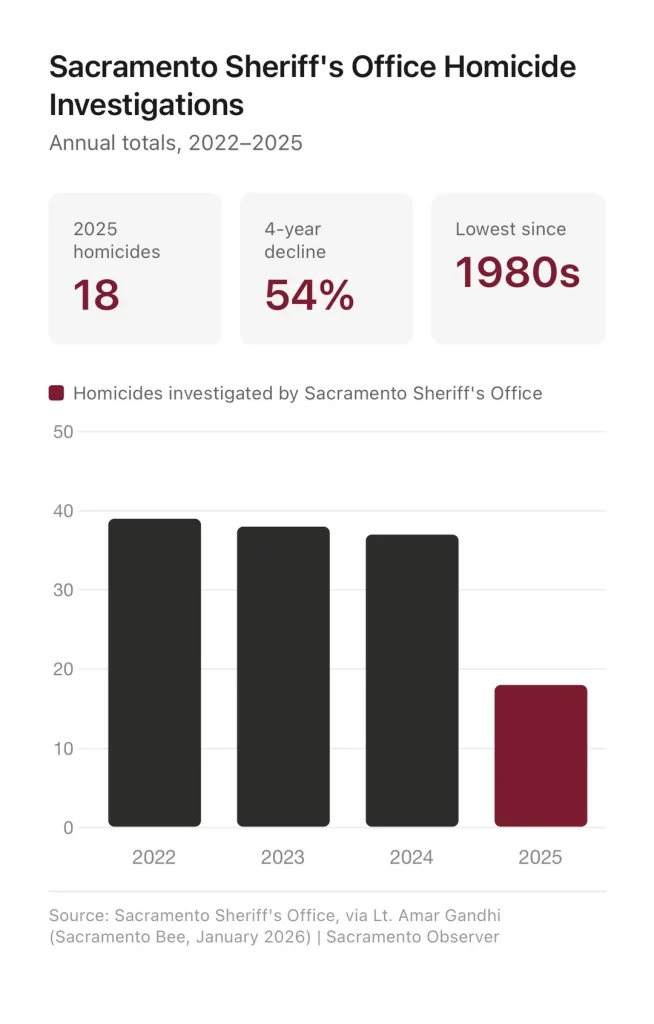
The office investigated 18 homicides in 2025, down from 37 in 2024, 38 in 2023, and 39 in 2022. Spokesperson Lt. Amar Gandhi told the Sacramento Bee in January that last year’s figure represents the lowest annual homicide total the office has investigated since the 1980s.
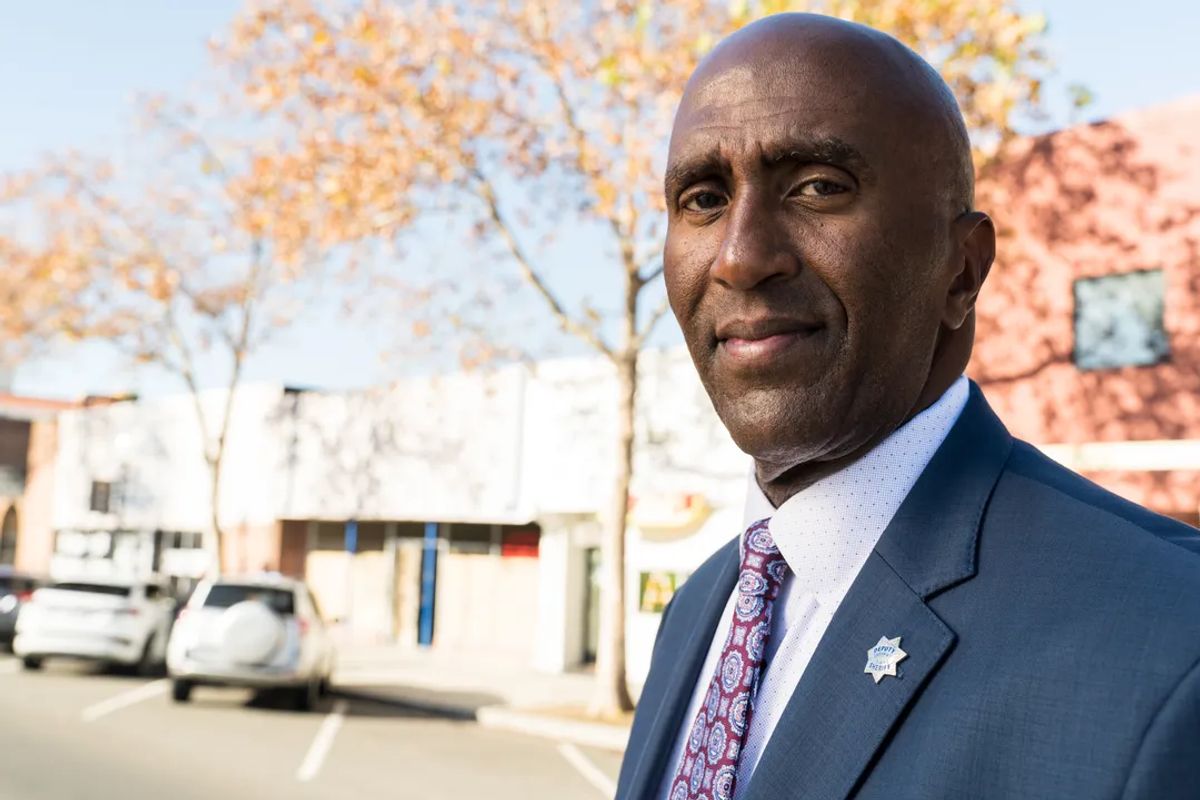
Sheriff Jim Cooper has claimed that making the County’s suggested reductions to his department would trigger a public safety crisis. Photo by Louis Bryant III, Observer.
Internal documents also reveal that the Sheriff’s Office structurally relies on keeping a buffer of vacant positions, a practice that generates salary savings used to cover unbudgeted operational costs, including an average of $4.4 million annually over the past three years in payouts to retiring employees.
The Broader County Picture
While the sheriff’s numbers raise questions about how the budget cuts were characterized publicly, the county as a whole is navigating genuine fiscal pressure.
Sacramento County’s proposed $8.9 billion spending plan represents a 2.8% decrease from the prior fiscal year. An ongoing $101 million structural deficit is driven heavily by unfunded mandates and revenue losses tied to the federal legislation known as the “One, Big, Beautiful Bill,” or HR 1, which accounts for nearly half the shortfall.
To balance the books, the Board of Supervisors directed every county department to identify a 2.5% reduction. “Across the organization, teams took a careful look at their operations, identified opportunities to streamline where possible, and eliminated vacant positions that are no longer needed to sustain current service levels,” County Executive David Villanueva said.
Countywide, general fund reductions total $57 million and eliminate 194.5 full-time-equivalent positions, the vast majority of them already vacant.
This story was originally published in The Observer and is republished here with permission.