
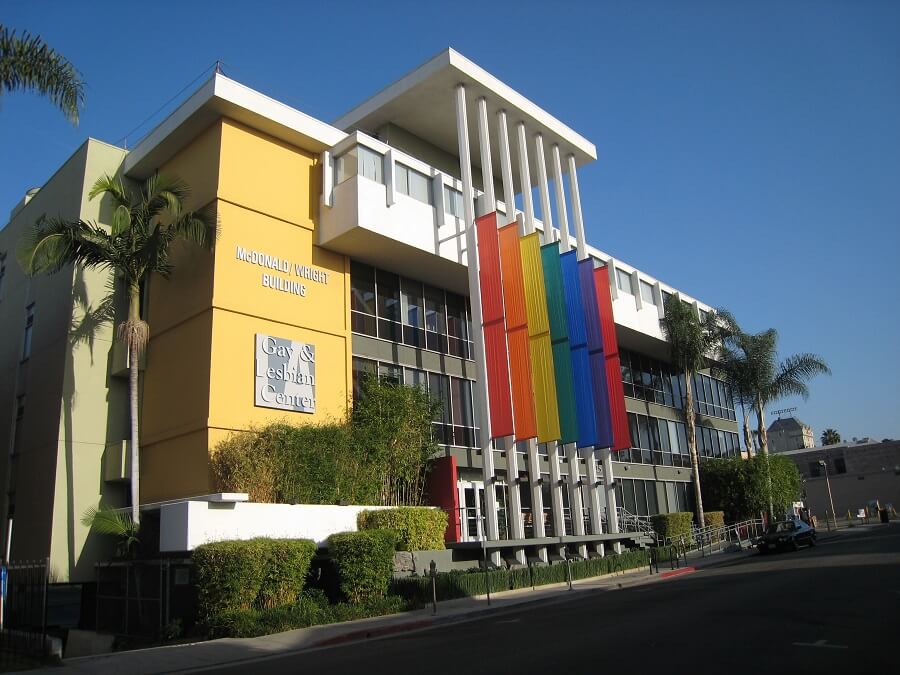
The organization celebrates a historic state budget allocation that includes a new ten-million-dollar community center fund.
State spending under California’s newly enacted fiscal budget will deliver what advocates are calling the most significant public investment in LGBTQ+ health, safety, and infrastructure in state history.
The Los Angeles LGBT Center praised Gov. Gavin Newsom and state lawmakers for finalizing the 2026–27 state budget, which establishes a historic $10 million statewide LGBTQ+ Community Center Fund. Believed to be the first dedicated state fund of its kind in the nation, the allocation will directly support a network of local centers providing medical care, housing, HIV prevention, mental health services, and youth programming across California.
In addition to the localized center funding, the state budget directs significant resources toward specialized medical care and social safety nets. The blueprint allocates $26 million to the Transgender Health Care Fund to protect access to medically necessary treatments, while expanding the $30 million Uncompensated Care Grant Program to cover gender-affirming services alongside reproductive healthcare.
The fiscal plan also addresses regional crises with a $900 million commitment to the Homeless Housing, Assistance, and Prevention Program. Over the next five years, nearly $1 billion will be routed through the ADAP Rebate Fund expenditure plan to strengthen HIV treatment and prevention efforts. To protect survivors of crime, lawmakers also approved a $50 million backfill to fortify services impacted by federal shortfalls.
“At a moment when LGBTQ+ communities across the country are under relentless attack and states are dismantling protections for our community, California has chosen a different path—one rooted in dignity, compassion, and action,” said Joe Hollendoner, Chief Executive Officer of the Los Angeles LGBT Center. “This is one of the most significant LGBTQ+ policy victories in our state’s history. These investments will save lives, expand access to healthcare and housing, and strengthen the institutions our communities rely on to survive and thrive.