
It was not unheard of for San Francisco Planning Commission meetings to run late into the night: Many meetings featured long neighbor-on-neighbor disputes during reviews of individual building and remodeling projects.
But these days, the meetings are mostly clipped, reasonable sessions. In fact, in the last three months, seven of the commission’s weekly meetings were canceled altogether.
The reasons for this are many. Numerous developments are at a standstill — having received permits but without financing. But even when construction returns, there will still be less work for the Planning Commission. Years of changes to state and local laws have made housing projects easier to move from conception to construction, bypassing the Planning Commission and its discretionary review entirely.
Among them: SB 423, a 2023 state bill authored by Sen. Scott Wiener that fasttracks approvals for projects in jurisdictions that aren’t meeting state housing goals — that would be San Francisco. And, AB 2011, a 2022 bill that does the same for projects in commercial areas. The rezoning of the city’s western neighborhoods, which went into effect in January of this year, also means more geography for bigger developments.
The Planning Commission will still weigh in on some projects that don’t qualify for streamlined permitting. But most projects will essentially get a rubber stamp from the Planning Department, also known as “ministerial approval.”
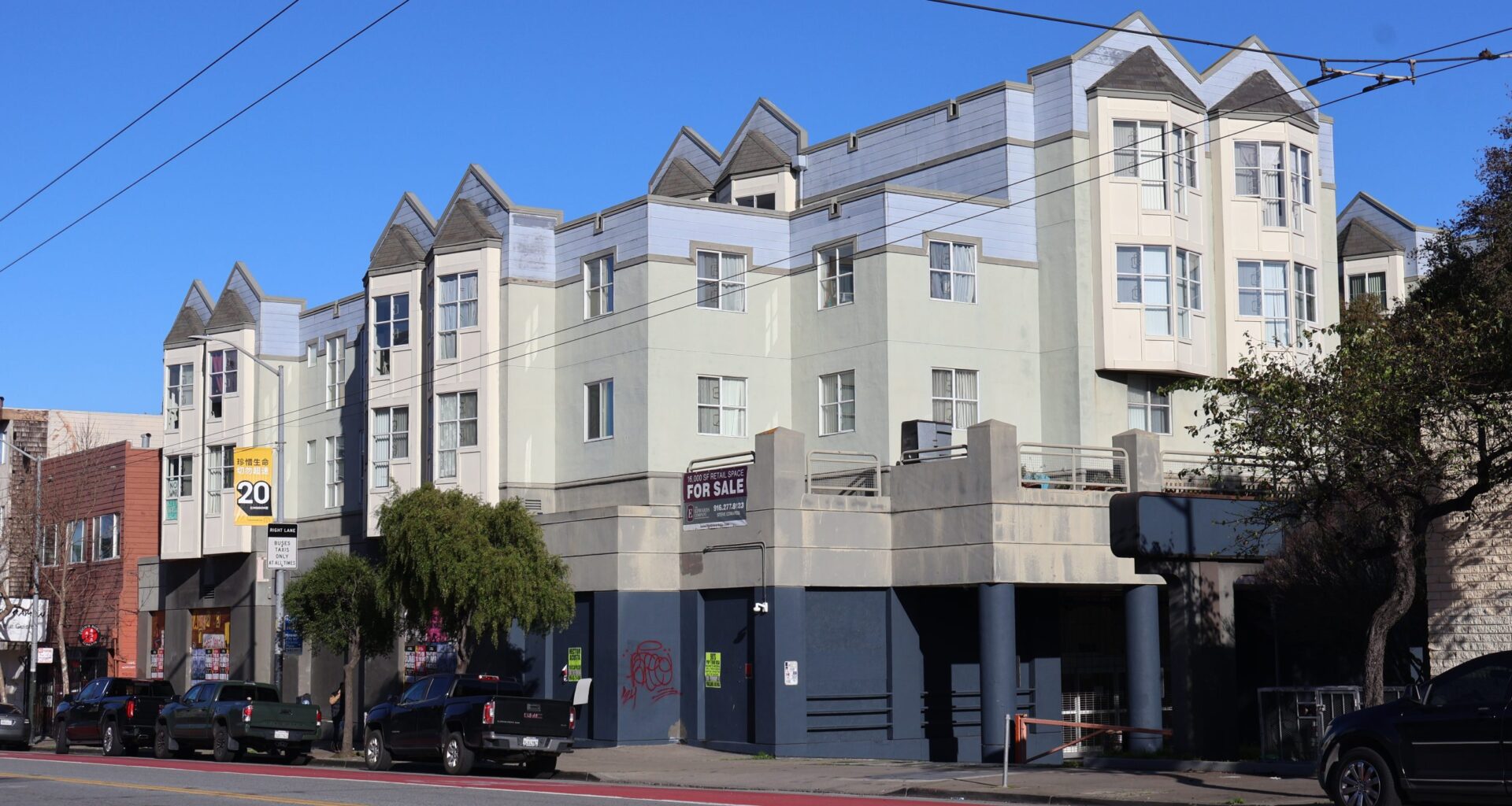
That’s the case for the projects like the 25-story Marina Safeway proposal and the six-story wedge-shaped apartment building in the Mission District, both of which likely would have resulted in contentious, high-decibel, marathon meetings if they had gone before the Planning Commission.
The seven-person commission still makes decisions about city policy around zoning and policy, said Annie Fryman, who works on housing policy at SPUR, an urbanist think tank. “It’s still one of the more muscular commissions.” But, Fryman adds, “The Planning Commission has become a less consequential body in shaping development as it moves forward.”
Supervisor Myrna Melgar, who served on the Planning Commission from 2016 to 2020, also has seen changes in how the Commission operates. “I think it’s less consequential on a micro level,” Melgar said. She served on the Commission during what she described as “its most contentious time,” when a combination of low interest rates and high demand for new housing turbocharged development in the city’s then-recently rezoned eastern neighborhoods.
During that era, many meetings at the commission were marked by neighbor-on-neighbor disputes over relatively minor changes to a specific house or development or parcel of land. Its power over individual properties is far less today, Melgar said, but the commission is “just as consequential on a macro level.”
The “ever-evolving armada of state laws really changed the Planning Commission from a body focused on project-specific approvals, to one that gets to focus on the biggest projects and most importantly, policy,” said Dan Sider, chief of staff for the San Francisco Planning Department.
“It’s entirely appropriate for the commissioners to focus on real questions about the planning of the city, rather than being forced to argue over someone’s proposal to build a new deck on their condo,” Sider added.
And still, there are the occasional neighborhood squabbles.
Earlier this year, neighbors came to oppose a resident’s proposal to add an “Airstream” aluminum trailer on the rooftop of a two-story Victorian home in Cow Hollow. The commission did not approve the Airstream proposal and asked the sponsor to come back with a plan the neighbors could all live with.
There are drawbacks to having the Planning Commission weigh in on fewer projects, said former Board of Supervisors president Aaron Peskin, who from time to time disagreed with recommendations from the commission while he was on the board.
“If unjust things are happening, there’s no way to stand up in front of a body and tell them that you’re getting screwed,” Peskin said. While the commission meets to provide an external review of projects, those meetings are also a way for the public to provide feedback. Oftentimes, he added, “that process led to better projects.”
Whether it’s a reflection of its sapped agendas, the seven-person commission is also working without a full team.
The commission currently has four vacancies — one to be filled by Mayor Daniel Lurie and another three to be filled by Board President Rafael Mandelman.
The mayor has filed legislation to nominate Mike Chen, an engineer who sits on the county Democratic Party and was also appointed to the SFMTA board by former mayor London Breed. Interviews for the seats appointed by the board president are still ongoing.
For Todd David, political director at Abundant SF, these new appointments are the icing on the development cake.
“We will probably get the most YIMBY, pro-housing Planning Commission in the history of San Francisco,” said David. “At a time where we need it the least because of the housing streamlining laws that have been passed by the state.”