
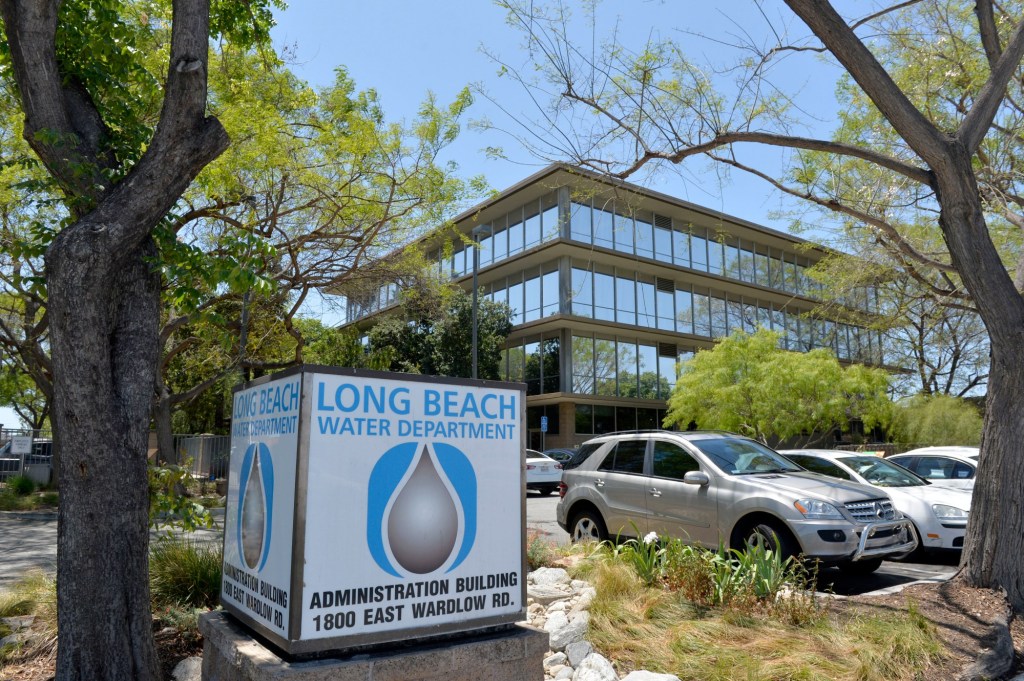
Long Beach’s drinking water met all state and federal quality standards in 2025, according to the Utilities Department’s annual report.
The department’s 2025 Consumer Confidence Report, published last month, looked at more than 60,000 drinking water samples and found that contaminants were below the maximum allowable levels mandated by the Environmental Protection Agency and California State Water Resources Control Board.
“The department’s goal is always to meet and/or exceed federal and state drinking water quality standards,” Utilities Department Assistant General Manager Tai Tseng said in a statement. “We continuously look for methods to improve quality and efficiency in operations to continue providing reliable and high-quality drinking water.”
The department’s annual report complies with the Safe Drinking Water Act, a federal law requiring public water systems to provide customers with water quality information.
The report also found that groundwater sourcing increased from 60% to 71% over the last year, which minimizes reliance on imported water and creates more opportunities for recycled water.
“These advancements prioritize affordability for our customers now and in the future,” General Manager Anatole Falagán said in the report.
The city purchased the remaining 29% of its water supply from the Metropolitan Water District of Southern California, which imports surface water through the Colorado River Aqueduct and the State Water Project in the Sacramento-San Joaquin Delta.
Long Beach sources groundwater from Central Basin aquifers, which are refilled by rain and snowmelt. The city extracts groundwater from local wells managed by the Water Replenishment District. Before distribution, the Long Beach Groundwater Treatment Plant mixes groundwater and imported water.
Under the Safe Drinking Water Act, a source water assessment must be conducted for all active drinking water sources to identify contaminant threats to quality. The Utilities Department considers Long Beach wells most vulnerable to contamination from sewer systems. Some wells are also vulnerable to gas stations, dry cleaners, underground fuel tanks and other sources of waste and manufacturing.
The department conducted water quality tests from Jan. 1, 2025, to Dec. 31 to assess for radioactive, biological, inorganic, volatile, organic or synthetic organic contaminants. All contaminants were below the levels set by the EPA and state water board. The report, published June 25, lists the contaminants detected, but their presence does not indicate a health risk.
“Our professional staff work year-round,” Falagán said in a LBUD press release, “to ensure customers have access to drinking water that meets or exceeds regulatory standards.”
The CCR is available on LBUD’s website, and customers can request a mailed physical copy from the water quality lab at (562) 570-2749.