
The diagram above illustrates how extensive brush clearance would have to be to reduce the chance that embers from a brush fire threaten structures in the Palisades. Removing brush along an eight-mile-by-two-mile perimeter is not out of the question and, given how far embers can travel, it might not even be enough.
There is also the problem of disposal. All the tons of cut brush must go somewhere. It cannot be placed in landfills or burned because burning produces carbon dioxide and methane, worsening climate change. Grinding the brush in a wood chipper is the only practical option, and it is labor-intensive and costly. In Los Angeles, standard rates run $100 to $150 an hour to chip the wood and $150 to $250 an hour for a full crew of two or three people.
The scale is enormous. The area in question amounts to 5,309 to 5,636 acres—roughly 8.3 to 8.8 square miles—of steep hillside. Clearing terrain of that size in Los Angeles County moves out of the realm of standard residential contracting and into multiyear civil engineering and wildland forestry management.
For a project of that scale, the total cost would range from $31.8 million to $112.7 million. That is so high it cannot be justified unless Palisades property owners are willing to pay an assessment. Pacific Palisades has roughly 10,500 to 11,000 property parcels. If enough owners voted to form an assessment district, the cost would come to between $2,272 and $4,285 per parcel.
Even then, because embers can fly over a one-mile cleared zone, clearing that brush would only reduce—not eliminate—the chance that flying embers ignite landscaping and homes in the residential Palisades.
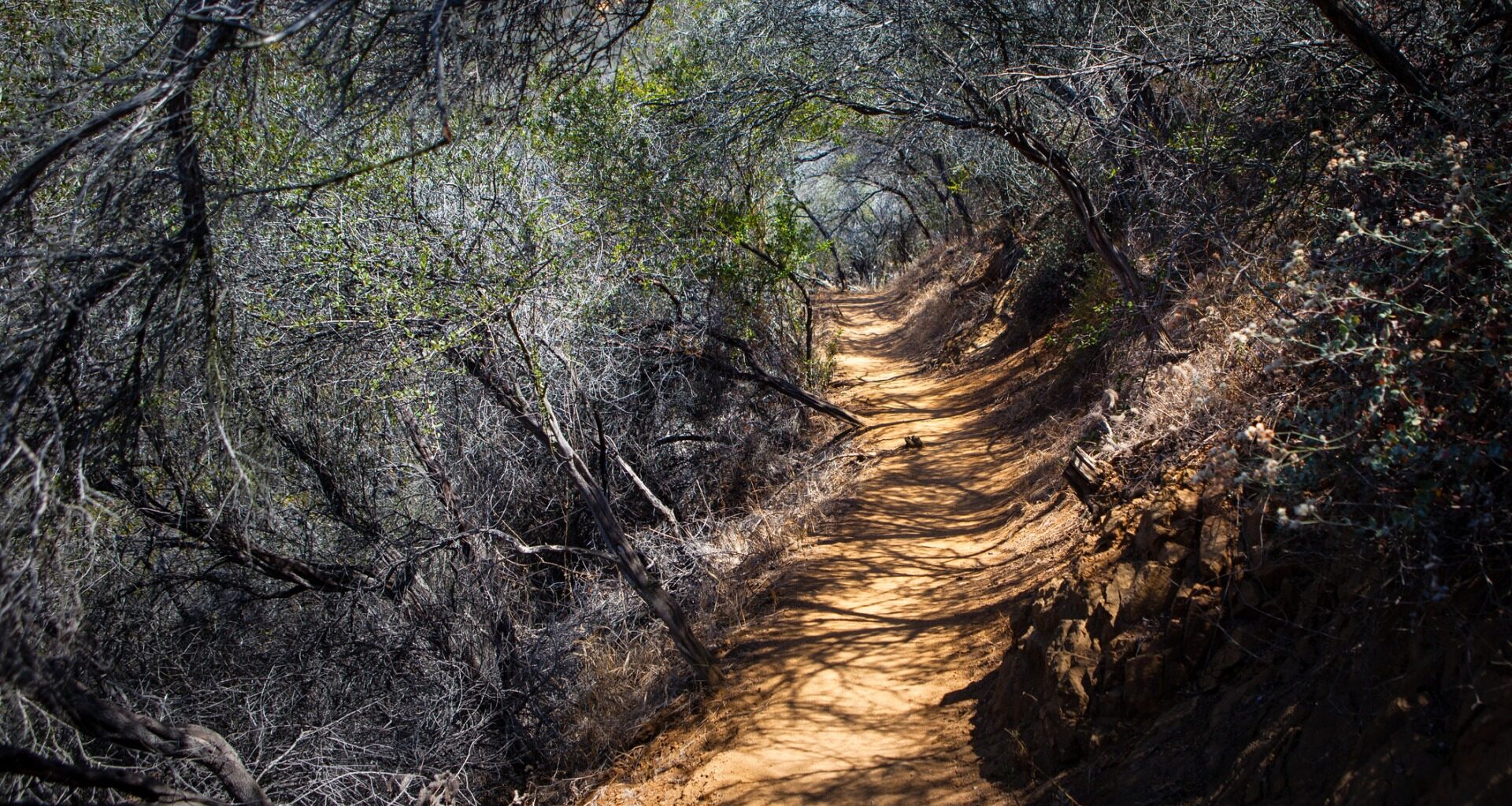
The bottom line is what the landscape will look like once all the brush is removed: eight miles of denuded hillside. With the first heavy rains, this will create mudslides, sending tons of mud down the canyons into the Palisades. In the spring, the normally fire-resistant chaparral will be replaced by flowers and weeds that will die by summer, creating a dangerous fire hazard.
Jack Allen has lived in Pacific Palisades since 1943 and lost his home in the Palisades Fire. A longtime student of wildfire with training and experience fighting it, he has spent years examining brush clearing and prescribed burns as strategies for protecting the community.