
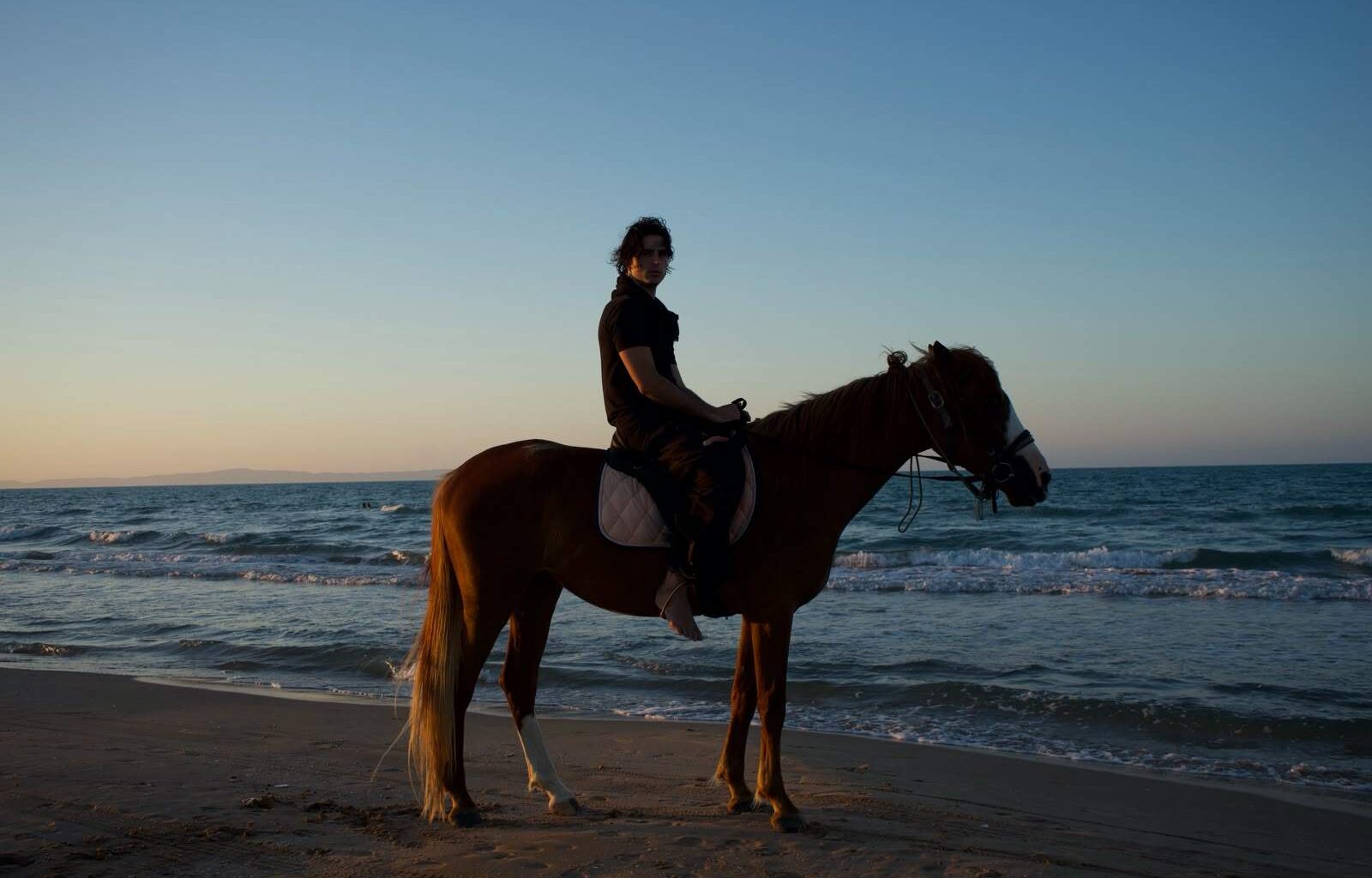
The melody came to him on a small plane. LYKE was flying over Costa Rica after a show last year, looking down at San José, and the whole thing just hit. The city below looked unreal, like a dream he had somehow flown over instead of imagined. That feeling stuck. He kept it and turned it into the track.
“San José” was recorded in Costa Rica. What drew you to that location for this track? How did the environment—the atmosphere, the energy of San José—shape the sound and feel of the record?
I was in Costa Rica last year for a show, and from day one the place moved something in me. Down there, nature doesn’t sit in the background — it swallows the city whole. You don’t decide to be inspired; it just takes you.
The melody came to me on a small plane, right as we crossed over San José. Everything below looked unreal, like something I’d dreamed instead of flown over — and that feeling became the whole track. It moves, but it never chases the high; the voice and the melody keep pulling it back, letting it breathe. The synths fall like raindrops, slightly off the grid, never quite locked in — and that imperfection is the point. It’s what makes the dream feel real. I’m still attached to that synth line — it takes me somewhere every time.
Down there, nature does not sit quietly in the background. It swallows the city whole. You can hear that in the final record. The synths fall like raindrops, slightly off the grid, never quite locking in. That imperfection is the point. That is what makes the dream feel real. LYKE is still attached to that synth line. He says it takes him somewhere every time he hears it.
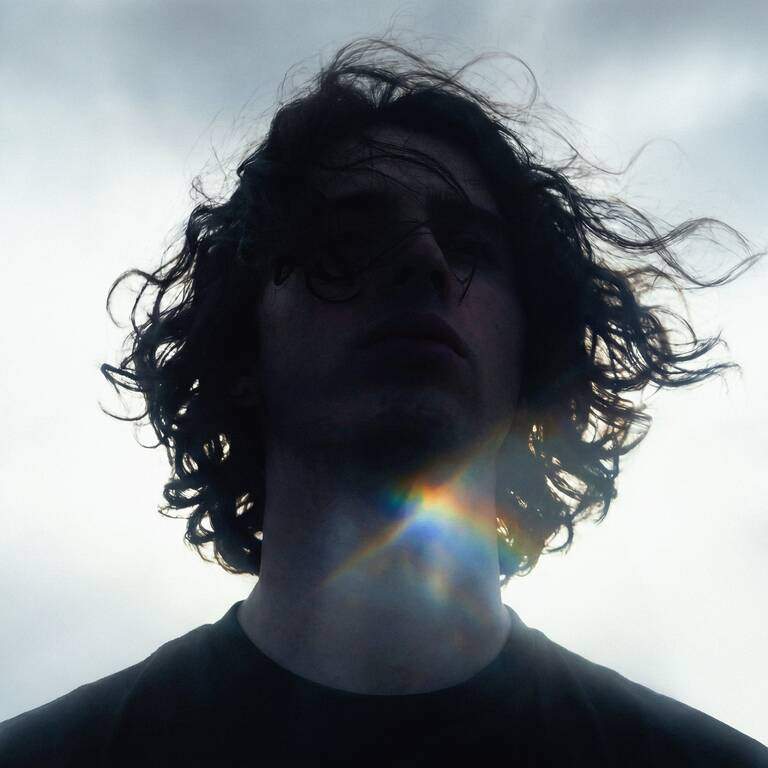 LYKEThe single is described as Electronica/Downtempo, a stylistic shift from some of your previous work. What inspired this particular sonic direction for “San José”? Was it a conscious departure, or did the track simply evolve that way?
Both, but it was inevitable. I grew up on classical and jazz, then techno raised me — though mine was never the standard kind: warmer, more melodic, built on harmony. The classical never left; it just hid inside the machines. Then at some point the drums stopped being the most interesting thing in the room, and my voice became what mattered most. A lot of people still don’t realize the voice on every one of my songs is mine.
So I lowered the energy and let the melody breathe. “San José” sits at a club tempo but moves at half speed — it doesn’t chase euphoria, it pulls you under. None of this is new: it was all there on my debut, “Nothing Around Us.” I’ve never wanted to be one genre or one label — I’d rather cross them. I don’t know exactly where this sound is taking me, only that it’s my own road, and San José is the first step on it.
This is a shift for him. The track sits at a club tempo but moves at half speed. He grew up on classical and jazz. Then techno raised him, though his version was never the standard kind. It was warmer, more melodic, built on harmony. The classical never left. It just hid inside the machines. But somewhere along the way, the drums stopped being the most interesting thing in the room. His voice became what mattered most. A lot of people still do not realize the voice on every one of his songs is his. He lowered the energy on “San José” and let the melody breathe.
LYKE treated the vocals like a pop record this time. The voice and the melody weave through each other, answering back and forth harmonically. The synths are all real, played by hand, never pulled from a preset shelf. He stopped chasing perfect. He left the human stuff in. The slight drags, the tiny hesitations. That is where the emotion actually lives.
You’ve mentioned this is “the first single release of a new chapter”. What does “San José” represent for you at this stage of your career? What can listeners expect from what follows?
“San José” is a transition — a new beginning, not a finish line. It’s me stepping out of the old sound and into something that’s finally mine.
What comes next? Honestly, they can expect anything. There’s so much music I can’t wait to put out — sounds that move across genres and feelings. That range is me. San José is only the first step; everything after it is even more me. The real me.
See also

This is the first single of a new chapter. LYKE calls it a transition, not a finish line. He is stepping out of the old sound and into something that is finally his. The track is closer in spirit to his earlier work on “AROSE” than anything else, built on feeling first, with everything kept natural. He did not force a single part. Every element had to serve the main melody. If it did not, it got cut.
You’re known for blending refined melodies, distinctive vocals, and authentic synths. How did you approach your vocal and production process on this track differently—if at all—compared to earlier releases like “AROSE” or “Stay With Me”?
Honestly, “San José” is closer to “AROSE”: feeling first, everything kept natural. I didn’t want to force anything. It was all built around one goal — protecting the main melody and letting it lead. If a part didn’t serve that melody, it didn’t make the song.
The real difference is the vocals. This time I treated them like a pop record — up front, carrying the track, not just another layer in the mix. That’s what really changes on “San José,” and on everything coming next: the voice sits at the core, right beside the melody, the two weaving through and answering each other harmonically. The synths are all real, played by hand, never off a preset shelf. And I stopped chasing perfect — I left the human stuff in, because that’s where the emotion actually lives.
Three singles are planned for this summer, leading into a debut album in 2027 and his first live tour. LYKE says there is so much music he cannot wait to put out, sounds that move across genres and feelings.
Out June 19 via MHA, it is the kind of release that announces a direction without giving everything away. It hints at a broader sound and leaves you wanting the next one.