
Berkeley’s Mobile Crisis Team was eliminated entirely, along with a slew of other cuts to wellness and homelessness services in Berkeley, in a difficult funding environment partially due to the city’s $30-million-dollar deficit.
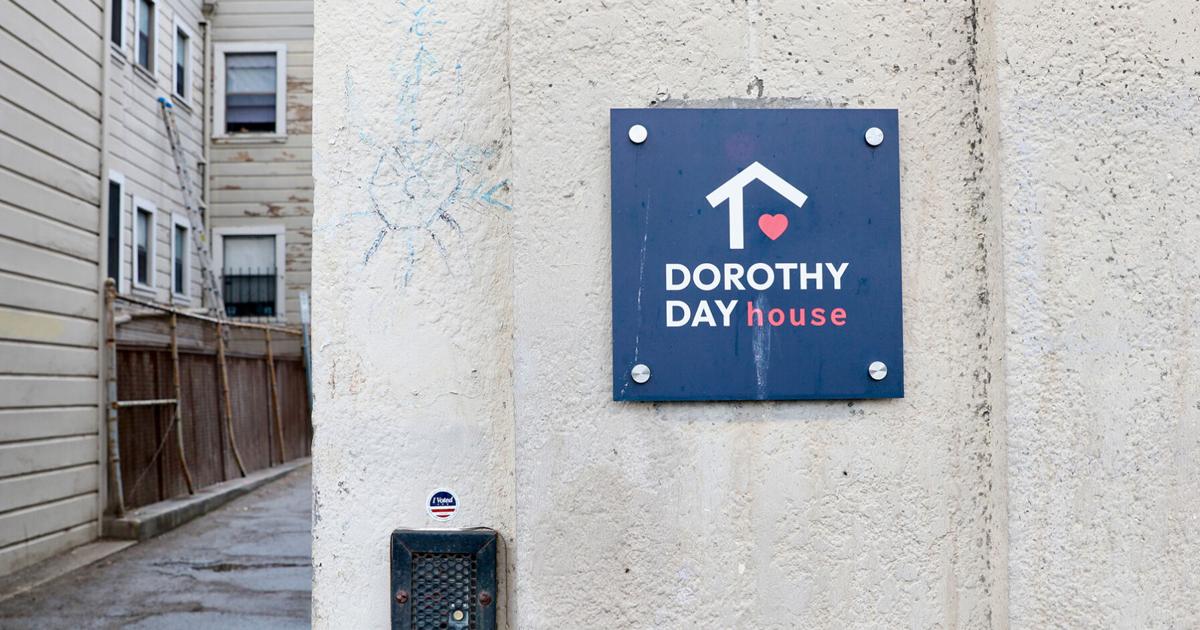
Other cuts included a funding reduction of more than $400,000 to the STAIR Center and the elimination of the Berkeley Winter Shelter, operated by Dorothy Day House.
Berkeley’s Mobile Crisis Team was a mental health response team run through the Health, Housing, and Community Services department for 47 years. In the new budget, which took effect July 1, it was eliminated entirely.
David White, Berkeley’s deputy city manager, said eliminating the team was one of many difficult decisions the city had to make to decrease the deficit.
White said the line received an average of 64 calls a month in 2025, but out of those, only 19 warranted the team’s deployment. He said terminating the program saved $456,000 for the city.
While Berkeley will no longer have a stand-alone response team, White said residents will still have access to Alameda County’s crisis support, including a crisis hotline.
Another program that faced cuts was the STAIR Center in West Berkeley, an interim housing program that also offers long-term housing navigation to residents.
According to Gary Tia, regional vice president of operations for STAIR’s parent company Bay Area Community Services, STAIR has served 673 individuals and led 438 residents to positive outcomes in permanent housing since 2018.
This year, STAIR began transitioning from a congregate shelter — shelters where residents live in shared rooms — to a model with individual, non-congregate rooms.
White said the more than $400,000 reduction in funding was in response to the shelter becoming non-congregate and in turn lowering capacity by nine beds. He said the cuts would not lead to any additional reduction to the shelter’s capacity.
Tia said their staffing has also been reduced from nine residential counselors to six, and two case coordinators to one.
According to Tia, the reduction of staffing and resident capacity could impact the level of support that the center can provide, and people seeking assistance could face longer waits to access care with fewer people overall being able to access the program.
“Our commitment remains the same: to provide high-quality services and help every resident move into permanent housing,” Tia said in an email. “However, reduced funding inevitably means serving fewer people and operating with fewer resources to meet the growing need in our community.”
The city intends to use some additional state funding to support the STAIR Center, which Tia said is encouraging, adding that “we would welcome the opportunity to work with the City.”
In the meantime, the center will continue to run on the reduced budget.
“While budget reductions are challenging, they don’t change our mission,” Tia said in an email. “Every person who comes through our doors deserves the opportunity to regain stability, reconnect with their community, and achieve permanent housing.”
The Dorothy Day House faced cuts that eliminated the Berkeley Winter Shelter, a 25-bed shelter that ran 24/7 during the winter season.
Robbi Montoya, executive director of Dorothy Day House, said since 2003, Berkeley has operated an inclement weather shelter, open during severe weather events, but during the COVID-19 pandemic, it expanded services to be a 24-hour shelter.
Montoya said these past five years were “an extraordinary opportunity to provide enhanced services during an unprecedented time,” but the 24/7 shelter is not expected to return next season.
White added that the city did not have an appropriate location to operate the shelter this upcoming winter season, as the most recent facility where the program operated is no longer available.
Berkeley’s inclement weather shelter — a shelter open on a night-by-night basis when temperatures are below 45 degrees, or there is at least a 50% chance of rain — will remain operational.
White said cutting the shelter saved the city $358,750.
Additionally, Montoya said Dorothy Day House has made the decision to reduce indoor services — including showers, laundry and on-site resources — from seven days a week to five, which she says is due to increased operations costs and a “challenging funding environment.”
“We made the difficult decision to reduce indoor services to five days a week rather than reduce the quality of the services we provide,” Montoya said in an email. “We believe it is more important to ensure that when guests come through our doors, they receive the level of care, staffing, and support they deserve.”