
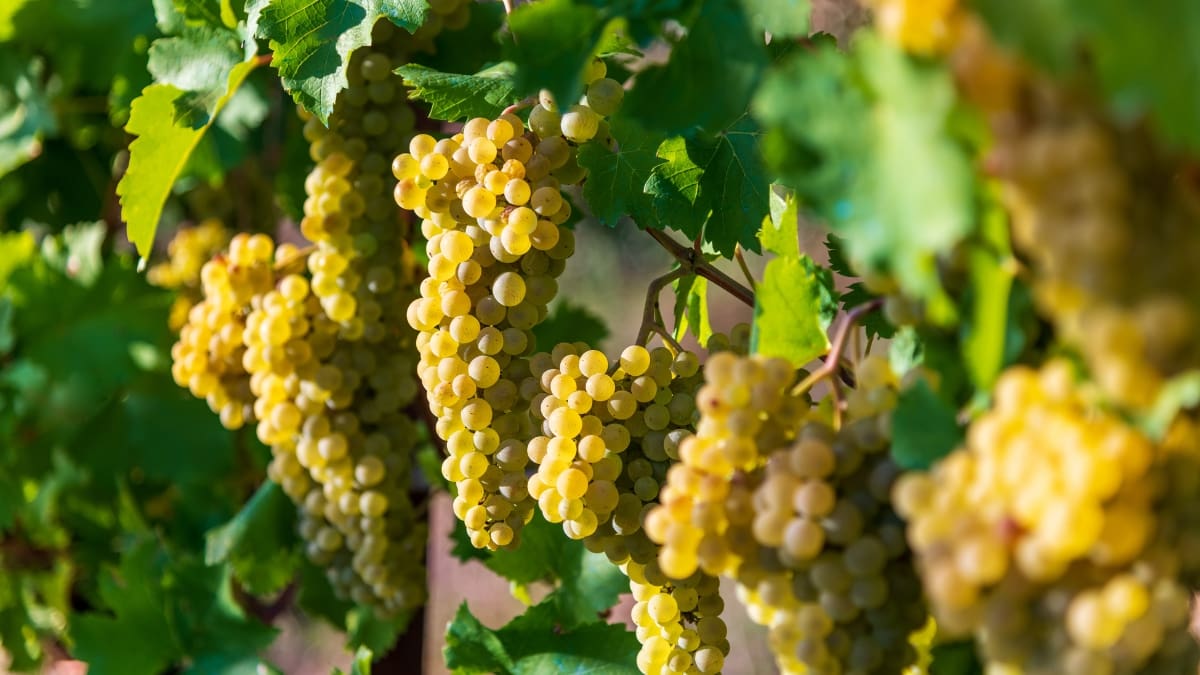
California’s wine grape harvest has gotten off to an unusually early start this year.
Sparkling wine grapes were picked in Santa Barbara County on June 30, a harvest date that is the earliest local growers can recall, according to a latest report.
The accelerated harvest is forcing growers and wineries to make critical decisions sooner than expected as the wine industry continues to navigate a challenging market, according to Ciatti California’s July report.
Last month, Ciatti California had warned that vineyard development in California was running much ahead of its usual timeline, adding that harvest for 2026 seemed “just around the corner.”
While Ciatti California does not mention the typical harvest schedule for wine grapes, the latest report suggests that the previous predictions have become reality.
Tough Business Decisions
With grapes ripening much ahead of schedule, growers who still have uncontracted fruit are heading toward a crossroads, the July report said.
Uncontracted fruit refers to grapes that are grown before growers have finalized a sales agreement or a contract with a winery. When market demand runs low, such fruit is usually left unsold.
Under such conditions, growers often drop the fruit to the ground or harvest it for bulk juice to avoid pest infestations.
According to Ciatti California’s latest rep ort, many growers will have to decide whether it makes financial sense to continue farming the grapes or to custom crush them instead.
A custom crush is a bonded winery that allows growers to turn their grapes into wine without owning a dedicated winery. Growers can produce wine in such facilities with resources and equipment that are provided by a facility management company, without making any capital investments.
Additionally, the early harvest is creating pressures for wineries.
The accelerated timing is forcing suppliers to look for space to move bulk wine to free up tank space before more fruit begins arriving, stated the July report.
Other wineries, however, are choosing to hold onto their existing inventory in the hope that if the supply is lighter, the value of the inventory will appreciate.
The early harvest comes as California’s wine industry continues to adapt to growing challenges.
A recent study suggested that vineyards along the Central Coast may be affected by the effects of global warming and wildfire risks. Many of the wine regions in Santa Barbara, San Luis Obispo, Sonoma, and Napa are projected to see declines in climatic suitability for grape cultivation under future climate estimations.
Market Uncertainty
Despite an early harvest, the demand for wine is not yet predictable.
According to the latest report, the industry still cannot determine the “new normal” level for demand.
Until case-good sales stabilize, many businesses are focused on immediate financial survival rather than future expansion or investment.
In its June report, Ciatti California said many growers are considering halting the farming of uncontracted vineyards, a move that could lower grape availability for buyers planning to purchase later in the season.
For now, the industry’s immediate focus remains on this year’s harvest and securing bulk wine supplies under changing market conditions.