
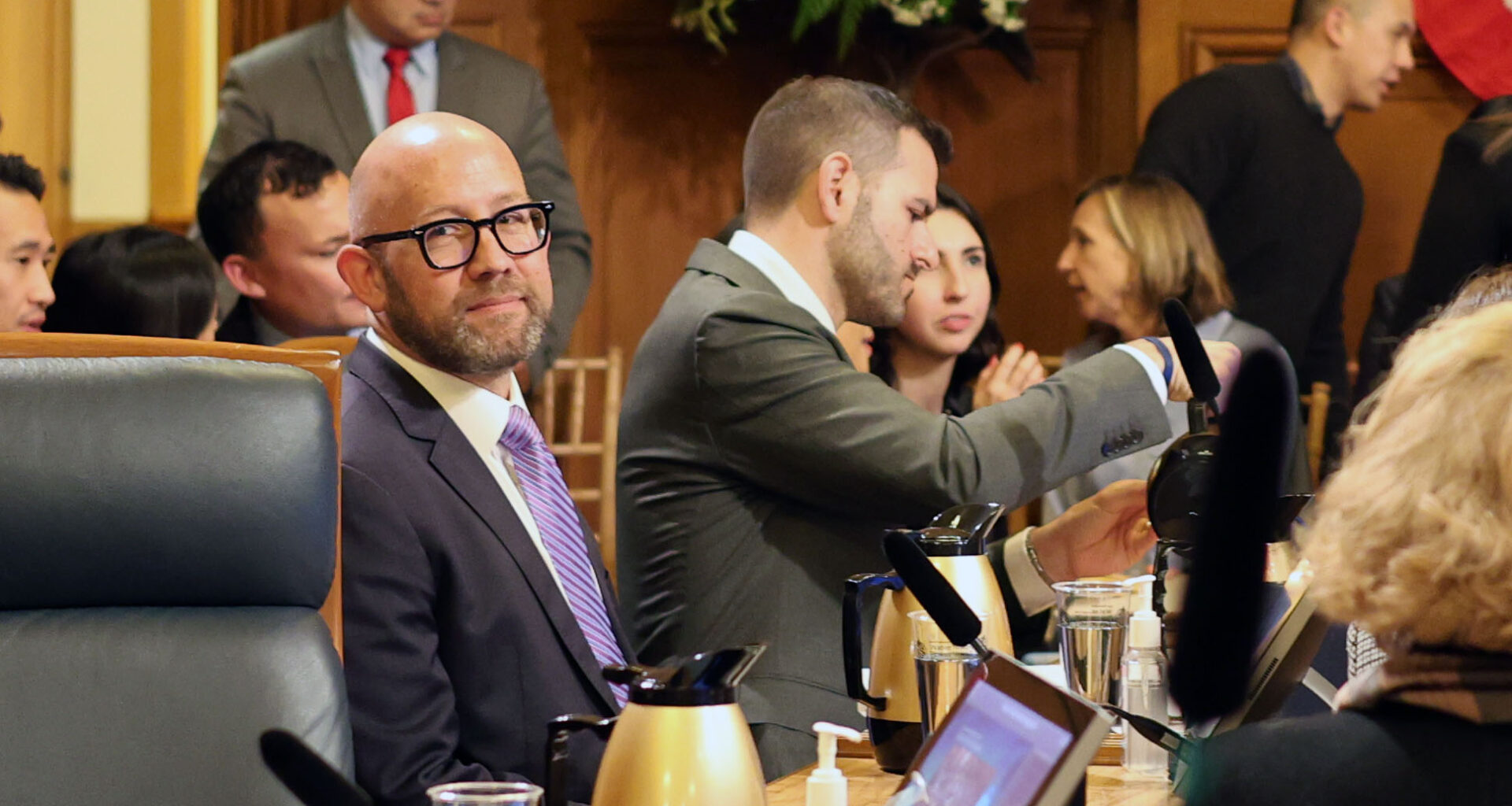
A suite of proposals from Supervisor Rafael Mandelman that would, among other things, double San Francisco’s campaign contribution cap from $500 to $1,000 is likely on hold for fine-tuning, its sponsor Mandelman said.
That’s despite the fact that the Ethics Commission, the body in charge of overseeing money in politics, has pursued the changes for at least a year now, saying the low limit is outdated.
The current $500 contribution limit — which caps what individuals and groups can donate to candidates in local elections — was set in 2000 and has not been adjusted since, according to the proposed legislation. The law would also allow the Ethics Commission to continue raising the limit in line with inflation.
Five hundred dollars in 2000 is worth about $989 today, and San Francisco’s limit is lower than that set by many other jurisdictions in the state — the average limit for a city in California in 2024 was $777.
Adjusting the contribution limit for inflation is important, said Michael Canning of the Ethics Commission, because “without such adjustments the limit gets effectively smaller and smaller over time until it becomes difficult for candidates to raise any money for their campaigns.”
But support may not yet be strong enough, according to the law’s sponsor. “It’s not clear to me that there are the votes to pass any of these measures at the full board right now,” said Mandelman on Wednesday, referring to a set of three changes to campaign finance that were suggested by the Ethics Commission. Mandelman would need votes from eight of 11 supervisors.
None of the proposals would have an impact on the November elections, according to both Canning and Mandelman.
Money in San Francisco elections has been growing in recent years and reached an apex in 2024, with more than $76 million spent. The spending has continued in 2026, with billionaire donors and political action committees behind a disproportionate outlay.
Those big-money donors, however, tend to give large amounts through PACs and other vehicles. The money they give directly to candidates, which would be raised by this measure, is much smaller.
Mandelman’s proposal would also increase the amount of money candidates receive in public financing from $6 for every qualified dollar they raise themselves to $8. The maximum public funding a candidate receives would stay the same, so the change would effectively only bring public dollars to candidates faster.
Mandelman cast the law as, among other things, a means to free up candidates from constant fundraising. Increasing the limit, he said, would “make it easier for the candidates themselves to raise money into their committees and have them control their message rather than having outside unlimited spenders driving campaigns.”
“The lower the dollar limit,” he added, “the more time the candidates are going to have to spend raising funds. I would rather have the candidates communicating with voters.”
Others disagree.
Former supervisor Aaron Peskin, who said in his 2024 campaign for mayor that the contribution limit is overdue for an adjustment, said raising it should be accompanied by reforms. Those could, for example, increase public financing to boost the power of small donors and discourage “lopsided billionaire spending that has been happening in recent elections.” He is against the current proposal.
“This is a missed opportunity to make meaningful campaign finance reform in a time when billionaire spending is out of control,” he said. “This legislation is all carrot, no stick.”
Natalie Gee, a legislative aide who ran for District 4 supervisor in June and was soundly defeated, agreed, “As a grassroots candidate, my average donation was $127, raised from friends and supporters who are working people already stretched thin. Even $500 was a challenge for many of them.”
Gee’s opponent, Alan Wong, benefitted from third-party PAC spending from Mayor Daniel Lurie’s allies, and Gee benefitted from a labor-backed PAC.
Mandelman is proposing the changes at the Government and Audit Oversight Committee on Thursday, which would then decide whether to recommend them to the full board.
But he said instead of asking for a vote, he will make amendments and ask the committee chair to continue the legislation without setting a hearing date.