
Re “The downside of a bridge between church and state” (July 14): Kenneth Seeskin cites excellent examples of religious wars, disagreements and cases of intolerance between religious sects throughout history. He forgot to mention the wars and strife between the Roman Catholic crown in France and the Protestant Huguenots. For much of the 17th century in France, it was nothing but bloodshed, massacres and horror between these two Christian sects.
We don’t need more reasons to fight each other in America — keep the wall between the state and religion, and let’s not make all the same mistakes over and over again. History has value and lessons.
— Chet Chebegia, San Marcos
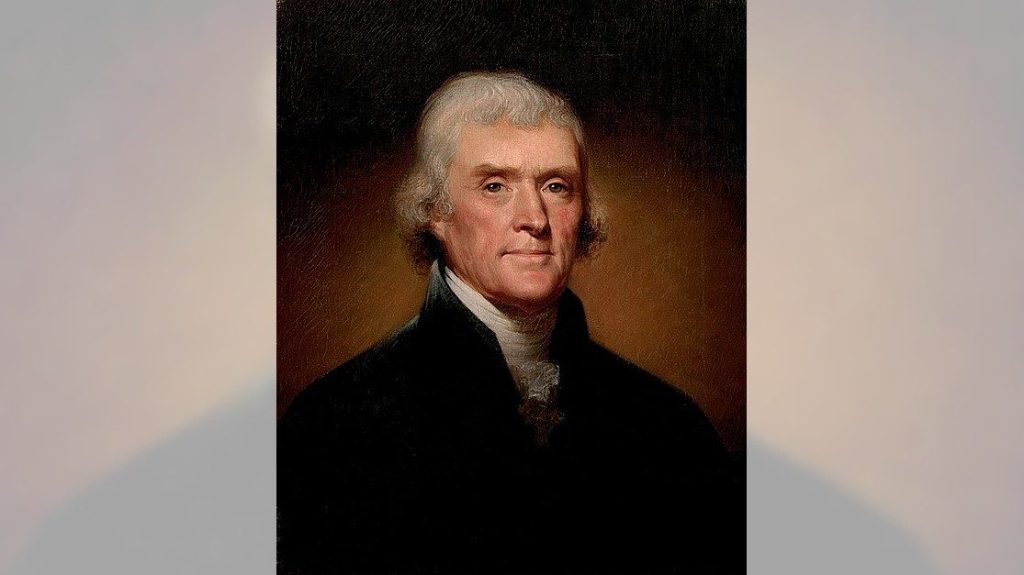
Kenneth Seeskin misunderstands Thomas Jefferson’s “wall of separation” between church and state. Citing the First Amendment, Jefferson invoked “a wall of separation of church and state” not to prevent the influence of religion in government, but rather to protect “the free exercise” of religion from government interference. President Jefferson, in his Jan. 1, 1802, letter to the Danbury Baptists, added the phrase “thus building a wall of separation between Church and State” to interpret the First Amendment’s religious freedom clause. Then he explained what he meant: “adhering to this expression of the supreme will of the nation in behalf of the rights of conscience.” Two days later, Jefferson deliberately started attending Christian worship services in the House of Representatives and continued to do so faithfully for the remainder of his presidency, as did his successor, James Madison.
— Howard R. Killion, Oceanside