
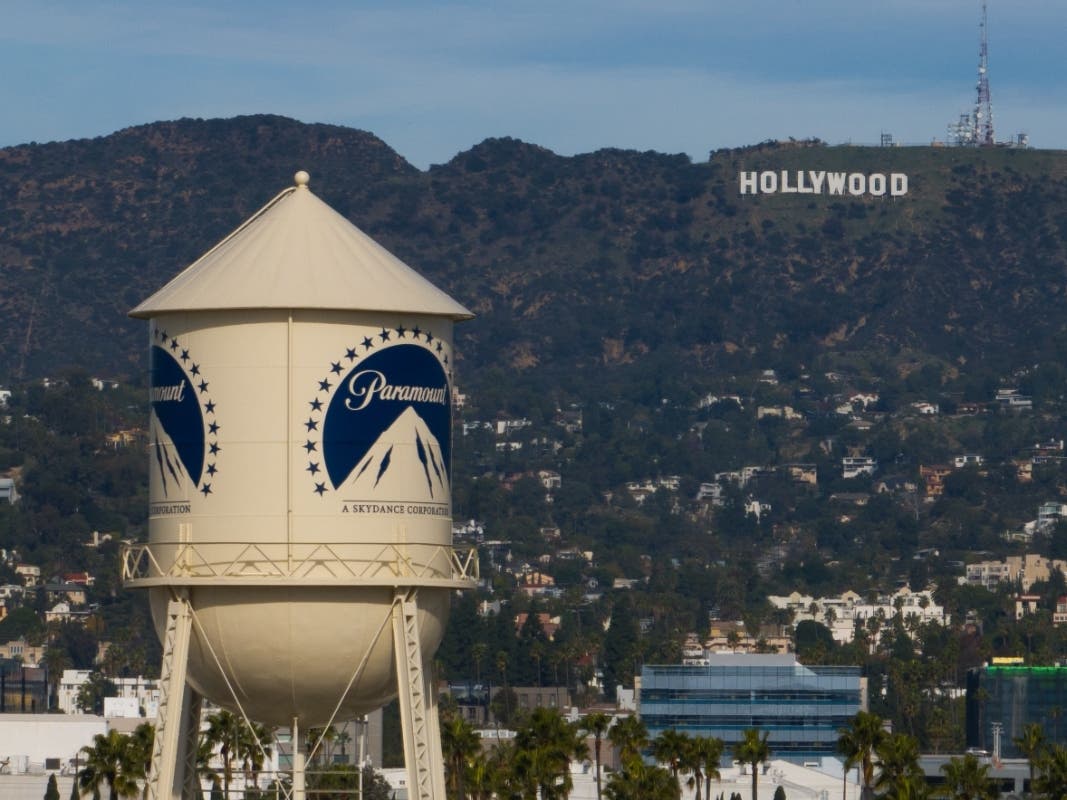
In terms of movie theater releases, Paramount’s lawyers have pointed to a growing list of blockbuster hits from studios that are not in Hollywood’s “big five,” such as A24 and Amazon’s MGM. The states maintain the core legacy studios — which beyond Warner and Paramount include Disney, Universal and Sony — still make up the vast majority of the market.
Beyond California, states challenging the deal include Arizona, Colorado, Connecticut, Massachusetts, Minnesota, Nevada, New Jersey, New Mexico, New York, Oregon and Washington.
Other regulatory clearances
Outside of the U.S., Paramount has touted greenlights from regulators in countries like China, Canada and Australia. But regulatory reviews are also ongoing in the European Union and the U.K., which has separately suggested it may intervene.
Meanwhile, the Writers Guild of America has filed its own lawsuit seeking to block the merger. And Paramount faces additional legal fights, including from a shareholder accusing CEO David Ellison and his father Larry Ellison (who is putting up tens of billions of dollars to back the deal for his son’s company) of promising “illegal, private benefits” to Trump in order to get the merger through.
Paramount has repeatedly dismissed such accusations, and the U.S. Justice Department maintained its review was not political.