
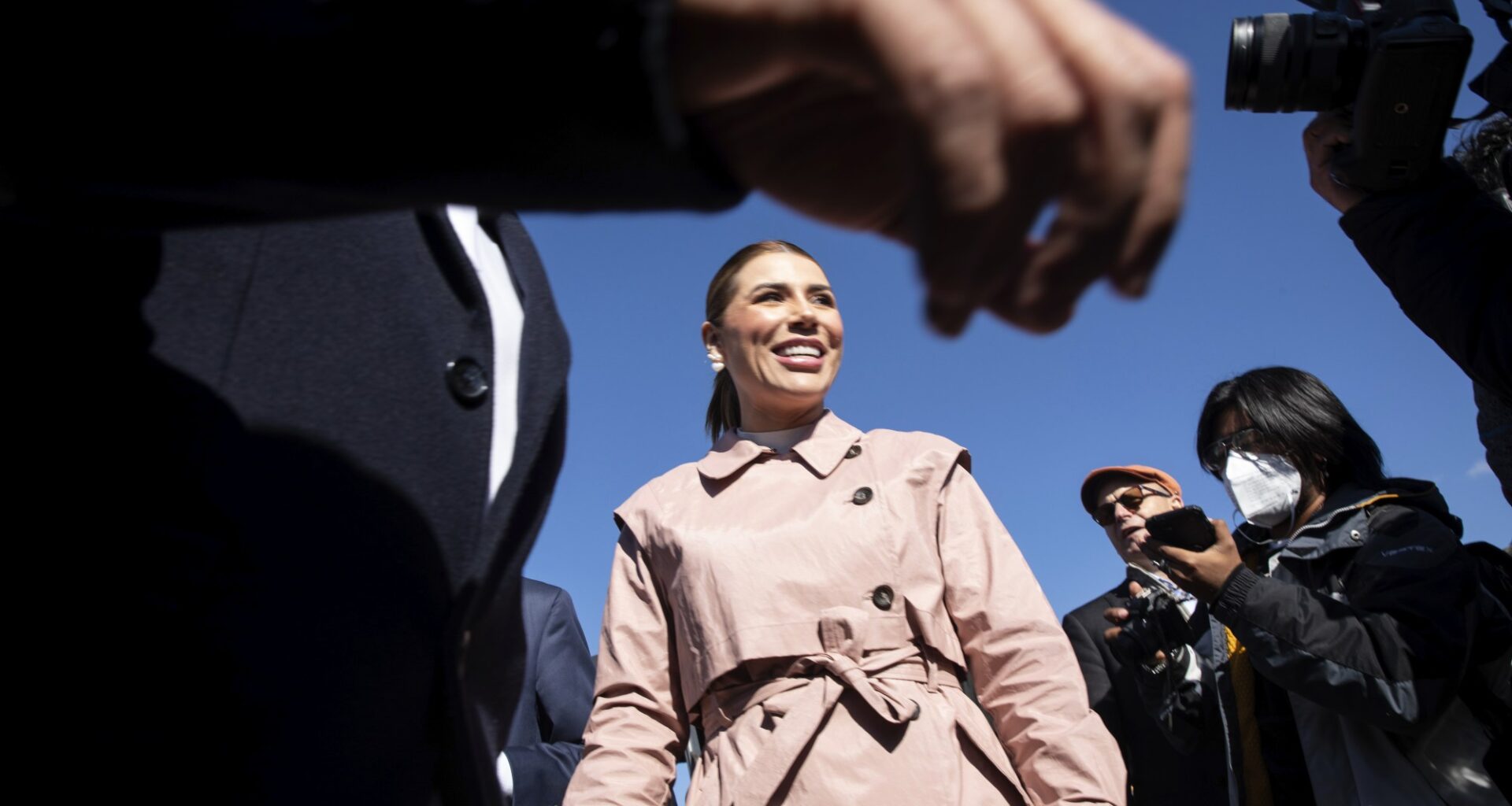
If the political theatrics now playing out in Baja California were pitched to Netflix, executives would probably reject the script for being too unrealistic.
Yet here we are.
Gov. Marina del Pilar Ávila Olmeda has spent the past several weeks at the center of a political drama with enough plot twists to rival a prime-time telenovela: revoked U.S. visas, leaked phone calls, public accusations of betrayal and a marriage that unraveled in full view of the same audience that once celebrated it.
The remarkable part isn’t simply that another Mexican politician is facing controversy. It is how deeply personal the story has become.
When Ávila took office in 2021, she projected a different image from many of her predecessors. She wasn’t just another traditional politician. She presented herself as a young governor, a mother and a relatable public figure whose life unfolded online alongside official government announcements.
On Facebook, Instagram and TikTok, followers didn’t just see infrastructure projects or ribbon-cutting ceremonies. They watched family moments, outfit transitions, dances, pregnancy updates and everyday life.
Politics became content.
That strategy worked remarkably well and eventually helped her build one of the largest social media followings among Mexican governors.
But personal branding has an inconvenient downside. When your political identity depends on sharing your personal life, your personal crises inevitably become political ones.
Ávila herself made her relationship with Mexican politician Carlos Torres part of her public narrative. Their courtship, marriage, family milestones and public appearances became recurring features of her online presence.
So when both announced in 2025 that the United States had revoked their visas, the story immediately became bigger than an immigration matter. U.S. officials have never publicly explained the reasons for the revocations, while Ávila has consistently described the matter as an administrative process.
The questions never stopped.
More recently, leaked audio recordings reignited the controversy. Ávila acknowledged that one recording was authentic but rejected suggestions that she sought secret deals with U.S. authorities. She has said she was misled by people who claimed they could help her recover her visa and that she pursued only legal avenues through attorneys.
Whether people believe that explanation is almost beside the point.
Every new recording, every Facebook statement and every public clarification adds another episode to the story.
Ironically, even Ávila herself recently urged people not to turn the controversy into a “telenovela.” By then, however, the audience had already binge-watched several seasons.
The political damage isn’t measured only by headlines. Critics have intensified calls for accountability, while her opponents have found new accusations almost weekly. Supporters argue she is the target of an orchestrated political campaign. Her critics argue she is facing the consequences of decisions that blurred the line between governing and performing.
Either way, Baja California’s governor now finds herself trapped inside the same communications strategy that once distinguished her.
The controversy over Marina del Pilar is no longer just about visas or leaked phone calls. It’s about the risks of governing in the age of permanent performance, where every personal decision becomes political content and every crisis becomes another episode waiting to go viral.
Her term will eventually end in 2027. The investigations, speculation and political fights may or may not.
But one thing is already clear: In Baja California, everyone is still watching the show.
Navarro is community opinion editor at The San Diego Union-Tribune. She is a transfronteriza who lives on both sides of the border.