
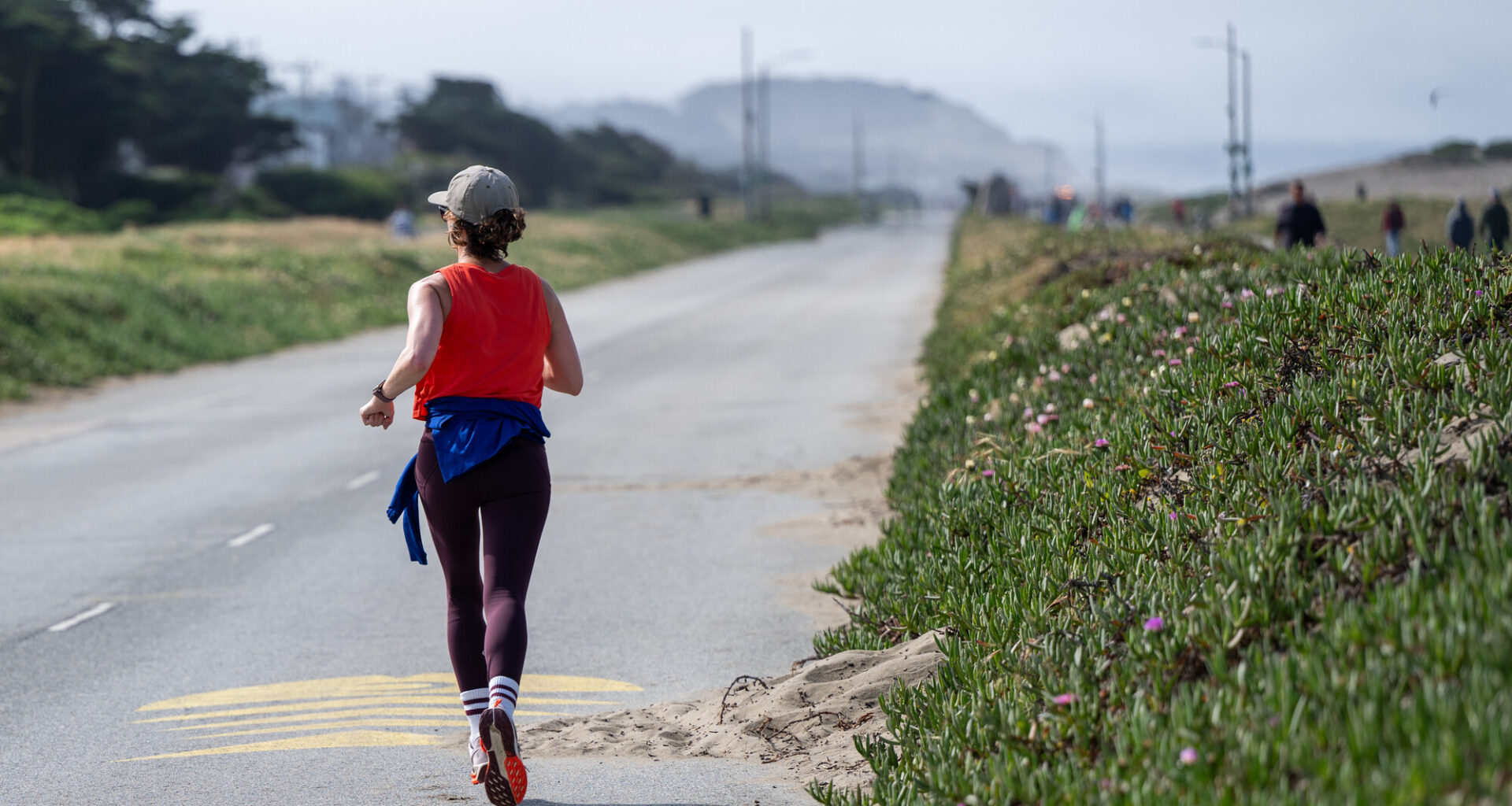
A proposal to reopen the westside road to vehicles on weekdays has officially qualified for the ballot.
Jul 24, 2026
Updated 12:55 pm PT
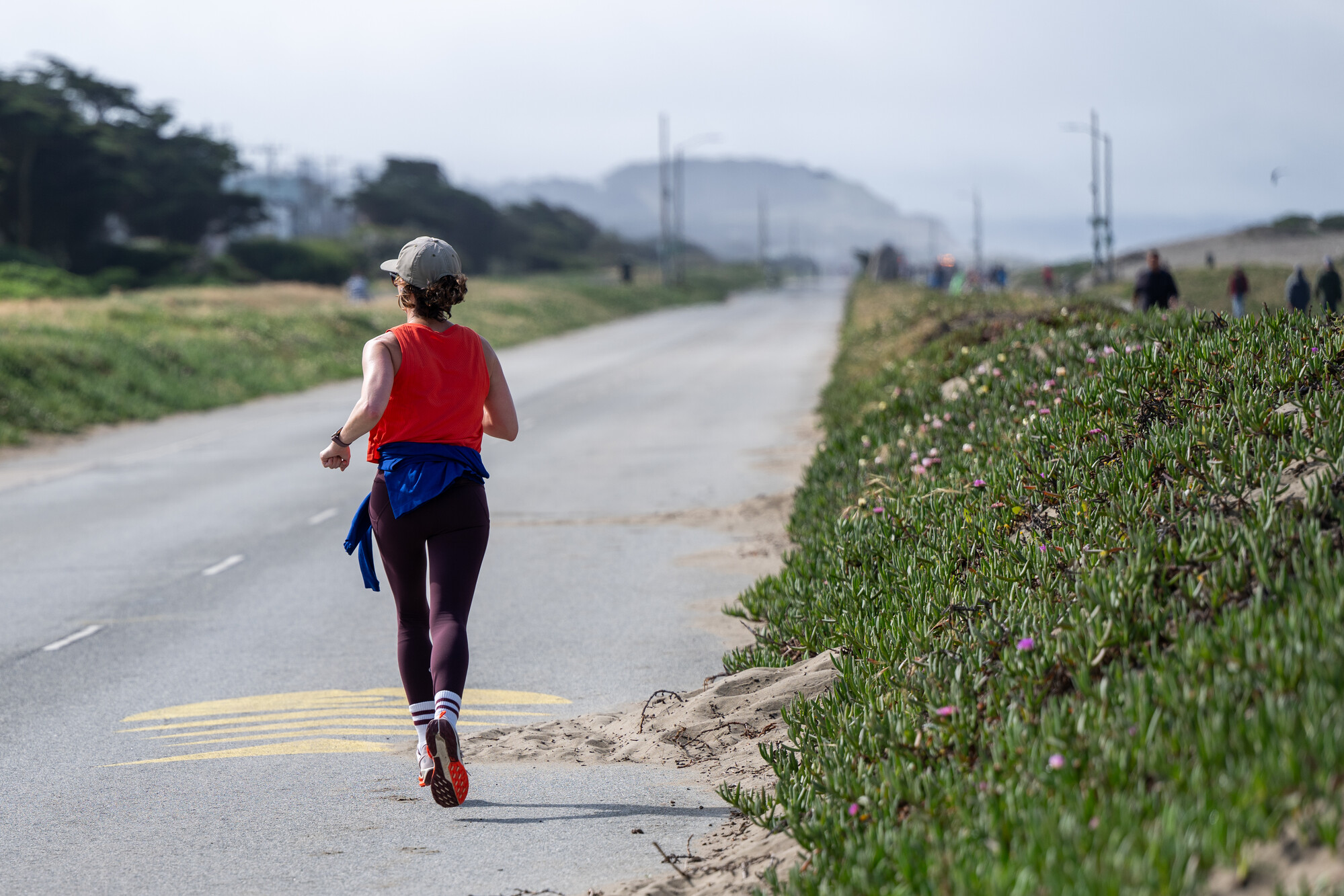
A visitor jogs through Sunset Dunes, a park on the former Great Highway roadway, in San Francisco’s Sunset neighborhood on April 9, 2026. (Beth LaBerge/KQED)
San Francisco voters will once again be asked to decide whether to keep cars off of the Great Highway. A proposal to reopen the westside road to vehicles on weekdays has officially qualified for the ballot.
The election this November will be the third time in nearly four years that the Great Highway debate has gone before voters. The measure would put cars back on the Great Highway on weekdays and keep it open as a park on weekends, and is fueled by a group of residents who have not given up the battle to bring vehicles back after years of debate and multiple losses at the ballot box.
This time, they say, is different.
“Now that San Franciscans have experienced both the compromise and the 24/7 closure, I believe that voters can fully weigh the pros and cons at the ballot box,” said Supervisor Alan Wong, who supports reopening the Great Highway to vehicles on weekdays. “At the end of the day, I have to prioritize those commuting to work, home or school over weekday recreational use of the highway.”
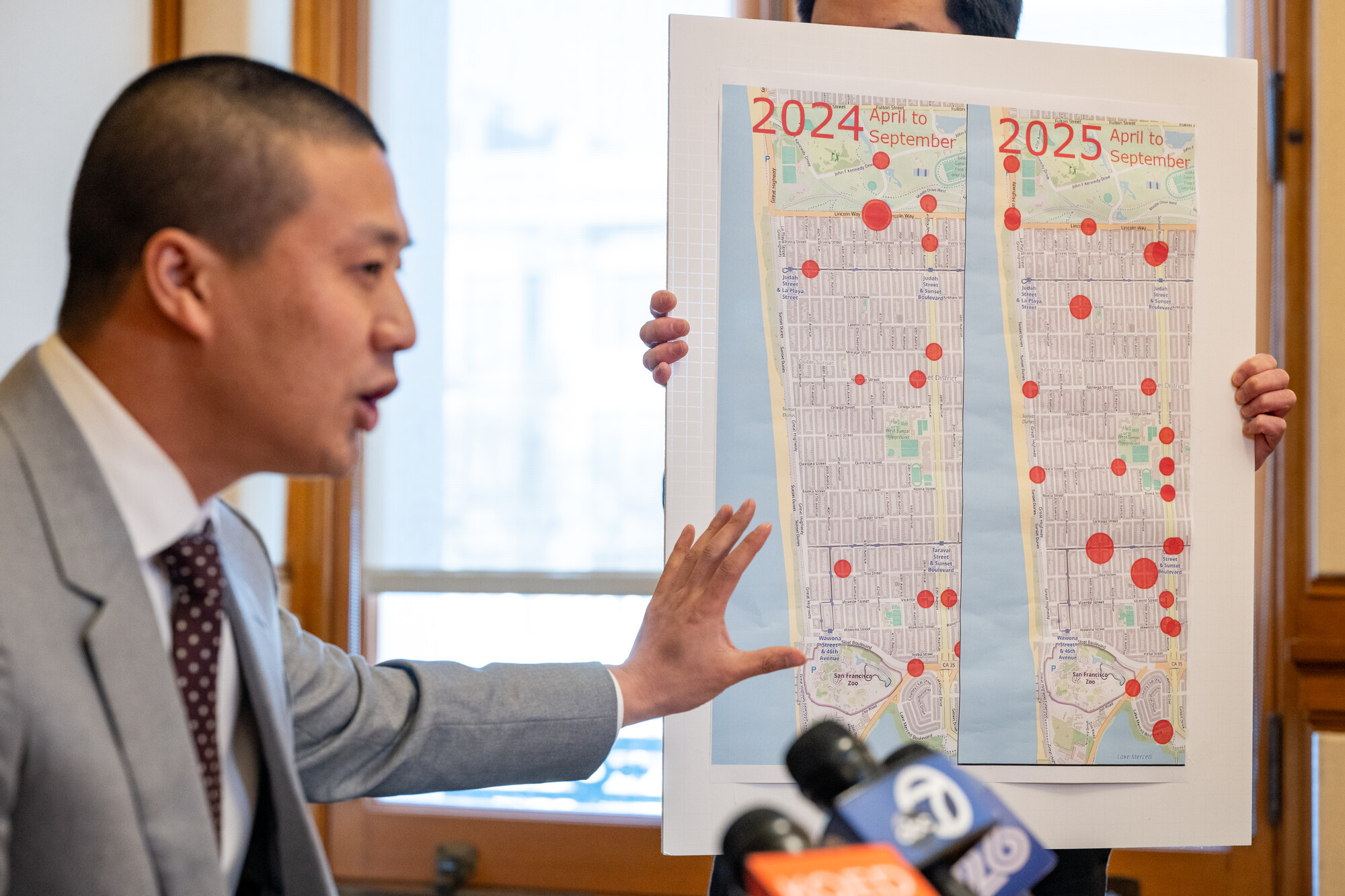 District 4 Supervisor Alan Wong points to a map highlighting traffic incidents in 2024 and 2025 in the Sunset District during a press conference about the Great Highway at City Hall in San Francisco on Jan. 8, 2026.
But critics of the proposal say it’s resurfacing an outdated idea that voters have already soundly rejected.
“The voters of San Francisco already voted to allow San Franciscans to adapt to climate change in a positive and joyful way that is to the benefit of all,” Supervisor Myrna Melgar said in a statement. “This cynical and expensive attempt to destroy a beautiful park will fail.”
San Francisco closed a two-mile stretch of the Great Highway during the pandemic to allow more space for recreation and social distancing. It quickly amassed fans from residents around the Bay Area who flocked to the open road to bike, skateboard or stroll around.
In 2024, voters citywide passed Proposition K, permanently removing cars from the road, which has since been converted into a beachside park called Sunset Dunes. But the majority of voters who live closest to the westside thoroughfare voted against it, and efforts to put cars back on the Great Highway have continued to dominate local politics in the residential, car-heavy Sunset District.
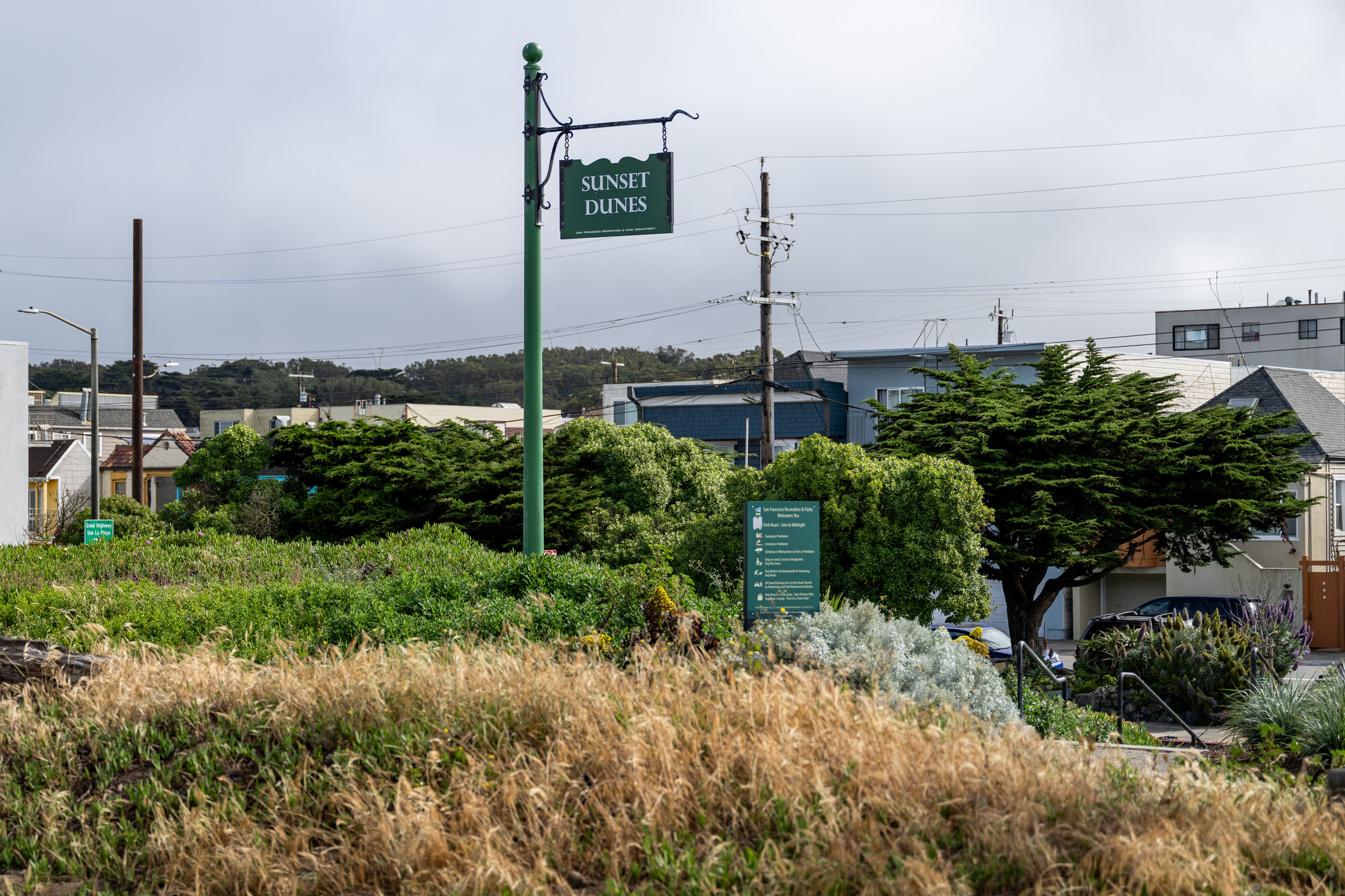 A sign for Sunset Dunes, a park on the former Great Highway roadway, in San Francisco’s Sunset neighborhood on April 9, 2026.
Other park supporters point out how the lower portion of the Great Highway is already closed due to coastal erosion, and say the city must adapt the road for the changing coastline.
A more recent analysis from SFMTA found that this November’s ballot measure to allow cars back onto the Great Highway during weekdays would cost around $14 million. Much of the price tag would go toward fixing the street lights and signage that have not been used since Sunset Dunes opened.
The measure to close Sunset Dunes on weekdays is already facing opposition from several neighborhood groups and city leaders, including a majority of the Board of Supervisors.
“Spending nearly $20 million we don’t have is irresponsible,” Supervisor Stephen Sherrill said in a statement. “Let’s stay focused on clean and safe streets, and on addressing the massive housing crisis in our city.”
Supporters of the measure say it offers the neighborhood a compromise after years of fighting over the closed road.
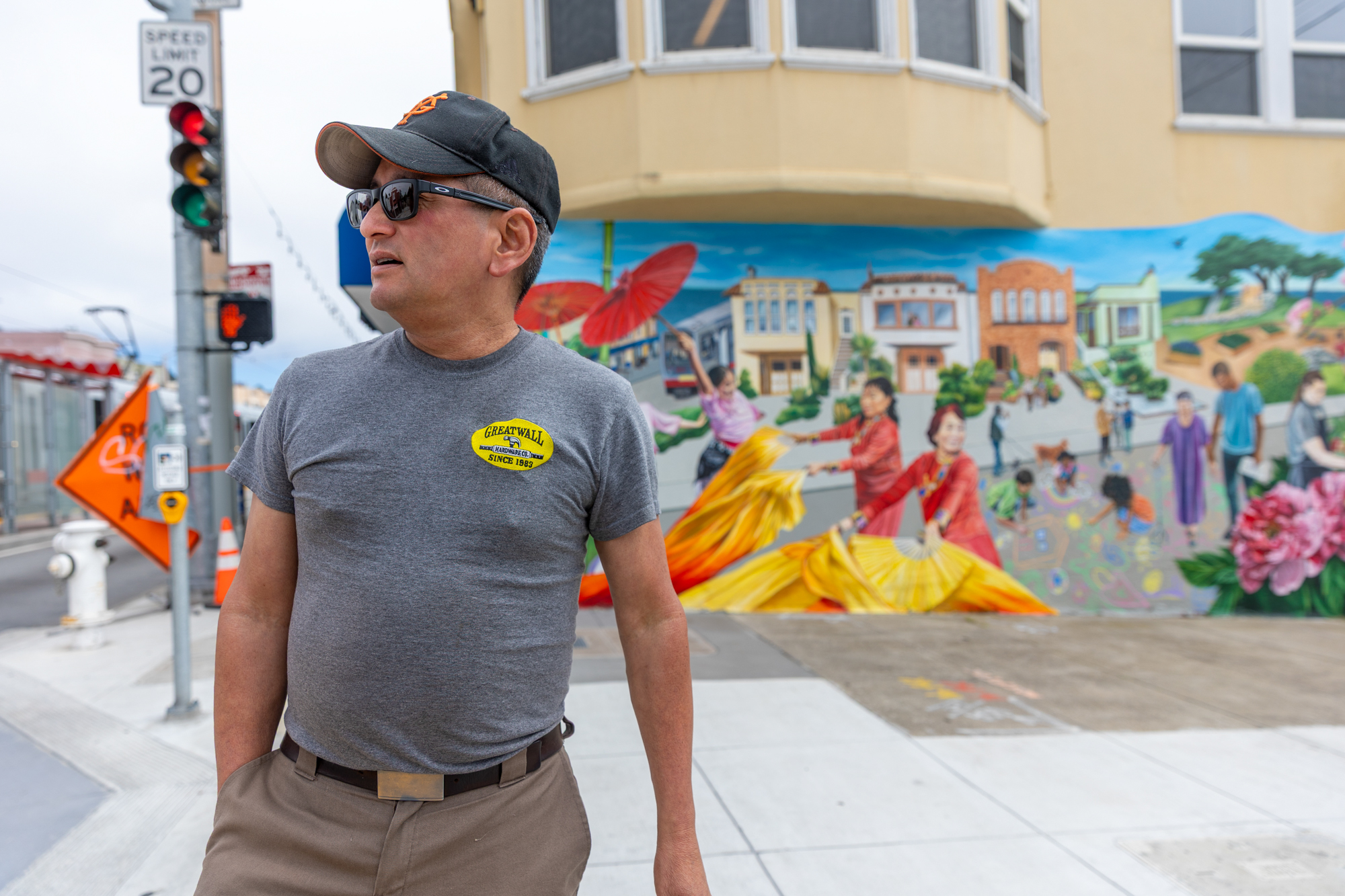 Albert Chow, a business owner of Great Wall in the Sunset District, walks through Taraval Street in San Francisco on Sept. 3, 2025.
“We’re not trying to take it all away from the park. There are ways to make this beautiful piece of land work for everybody,” Chow said. “It doesn’t make me happy that we are having this fight, but it wasn’t thoroughly thought out as to all of the unintended consequences.”
As for the price tag for reopening the roadway to cars, Chow said, “I hate to say it, too bad.”
Sunset Dunes supporters meanwhile say there is no compromise to be had, because clearing the road for cars only some days would mean removing the public art, skatepark and other installations that now scatter the former road.
To defeat the measure, Lux said that supporters of Sunset Dunes will focus on “getting facts” before voters in the upcoming election cycle.
“The fact is, this measure would close and demolish the park in order to reconstruct a roadway that voters already understand is failing,” Lux said. “We want to make sure that voters understand their choice. They have this one piece of land. Do they want it to be a successful park that is better for our people and environment, or do they want to destroy that park and turn it back into a roadway for a small group of people who have no demonstrable concerns other than anger?”