
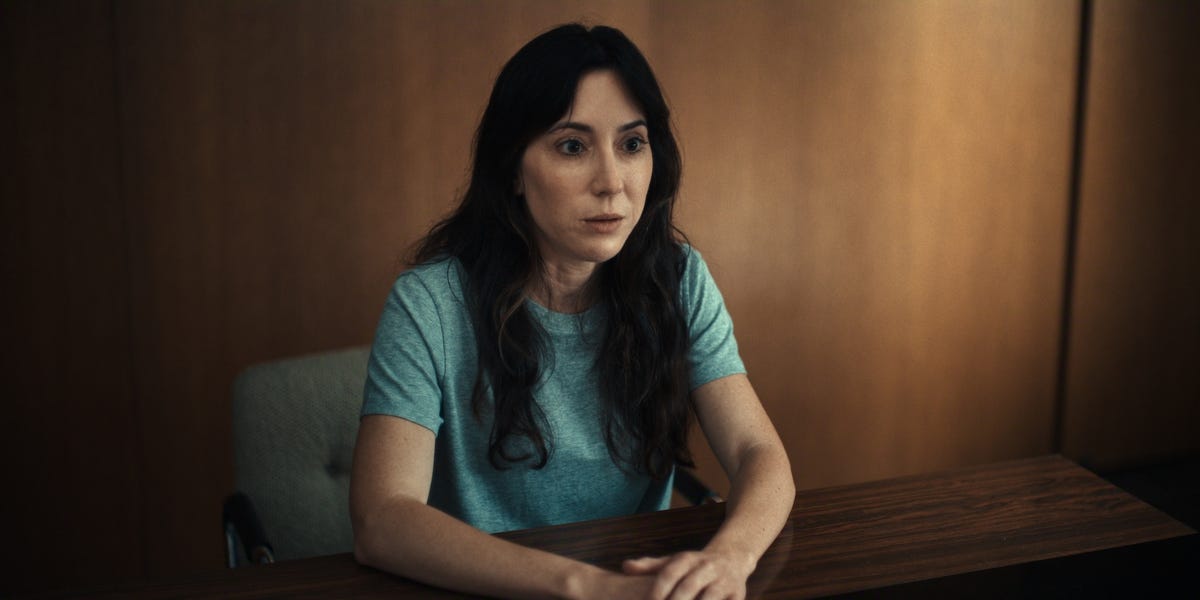
Earlier this year, Love Story: John F. Kennedy Jr. & Carolyn Bessette revisited a charmed-but-doomed romance. Now Netflix turns to something altogether more warped in the documentary A Toxic Love Story.
Directed by Alexandra Lacey, the film recounts a true-crime case that happened in Anaheim, California, back in 2016. It has all the familiar Netflix documentary hallmarks: jealous ex-lovers; social media stalking and casual violence – even the dramatic strings interview soundtrack that’s currently fuelling a wave of parody videos over on TikTok.
But who was really behind the campaign of abuse – and why was the person using the name ‘Lilithistruth’ not who they seemed?
The backstory
In 2015, a two-year relationship between a former U.S. deputy marshal Ian Diaz and graduate student Michelle Hadley came to an end, but they remained tied by a condo they had bought together in Anaheim. In February 2016, Ian married Angela Connell, who was known during the case as Angela Diaz.
However, just a few months after their wedding, Angela began to receive threatening and abusive emails from an unknown sender calling themselves ‘Lilithistruth’. The messages grew more violent in nature, threatening harm against her child and herself.
With an investigation underway, police discovered that ads pretending to be Angela had been posted on Craigslist, arranging for men to go to Angela’s house to assault her as part of her “fantasy”. The evidence seemed to point towards Hadley. Police believed that she had created the accounts, sent the threats and posed as Angela online.
The apparent evidence pointed towards Hadley, and Diaz told the police that it was she who was responsible for hiring the men who attacked his wife. Police believed that she had created the accounts, sent the threats and posed as Angela online. Hadley was arrested on 24 June and released on bail, before being arrested again on 14 July and held on $1 million bail.
Hadley faced felony charges including stalking, criminal threats, attempted rape and assault with intent to commit rape during a residential burglary. Had she been convicted, she could have faced life in prison.
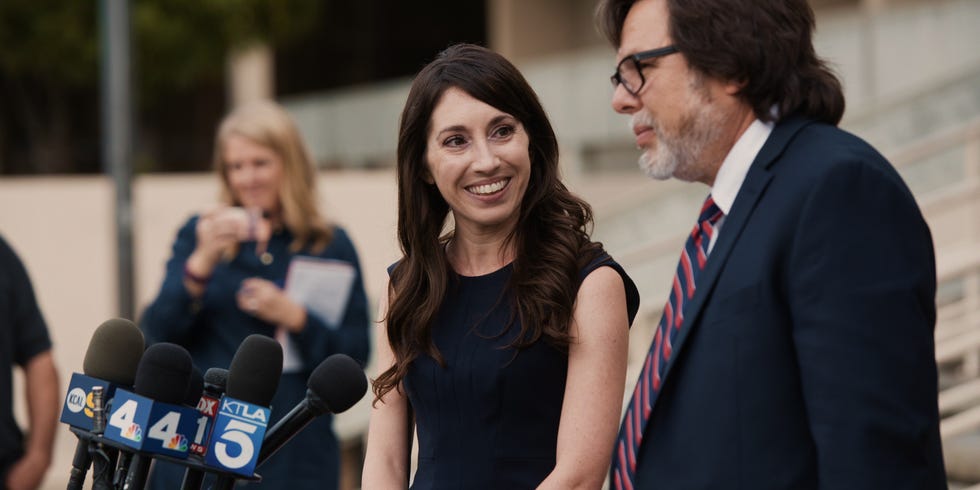
Netflix
How the truth came out
Hadley maintained that she was being set up. Investigators eventually determined that the threatening emails and Craigslist solicitations had originated from the condo, Angela’s phone and her father’s home in Arizona.
According to NBC News, the grotesque plot was dreamed up so that Diaz could fully claim the home that he and Hadley had once bought together: “Diaz had framed Hadley as part of a twisted plot to get her to walk away from a condo they had purchased together”, said the prosecutors at the time.
Eventually the full truth emerged. Together, Ian and Angela created multiple false accounts, including ‘Lilithistruth’. They’d sent threatening messages to themselves, had posed as Hadley and used Craigslist to lure men to the condo, before staging the assaults. That’s when he told police that Hadley was responsible.
Hadley was released from custody on 7 October 2016 while the investigation continued. On 9 January 2017, the Orange County district attorney dismissed all charges and declared her fully exonerated.
By the time she was cleared, Hadley had spent 88 days in jail, lost her job and suffered damage to her reputation and mental health.
What happened next?
On 17 October 2017, Angela was was sentenced to five years in state prison after pleading guilty to 10 felony counts – including kidnapping, false imprisonment, forgery, perjury and grand theft – and 22 misdemeanour counts of falsely reporting crimes.
Hadley filed a lawsuit against the city of Anaheim and four of its police officers in late 2018, alleging they rushed to charge her based on “clearly doctored” emails. Her suit claimed: “The Anaheim Police Department and its officers abdicated their duties to adhere to investigative norms, instead conspiring to do the bidding of a corrupt federal marshal.”
In June 2023, Ian Diaz was sentenced to 10 years and one month in prison followed by three years of supervised release after being convicted at trial of one count each of conspiracy to commit cyberstalking, cyberstalking, perjury, and obstructing a federal proceeding. He is still in prison now.
After Ian’s conviction, Hadley said: “I am so grateful to the [Justice Department Office of Inspector General] for the work they put into this case and to the jury for a conviction that has brought so much peace to my family and restored some of the faith we lost in the justice system as a result of Diaz’s crimes against me.”