
Iran is home to a rich, diverse culture spanning 31 provinces and dating back thousands of years — particularly music and storytelling.
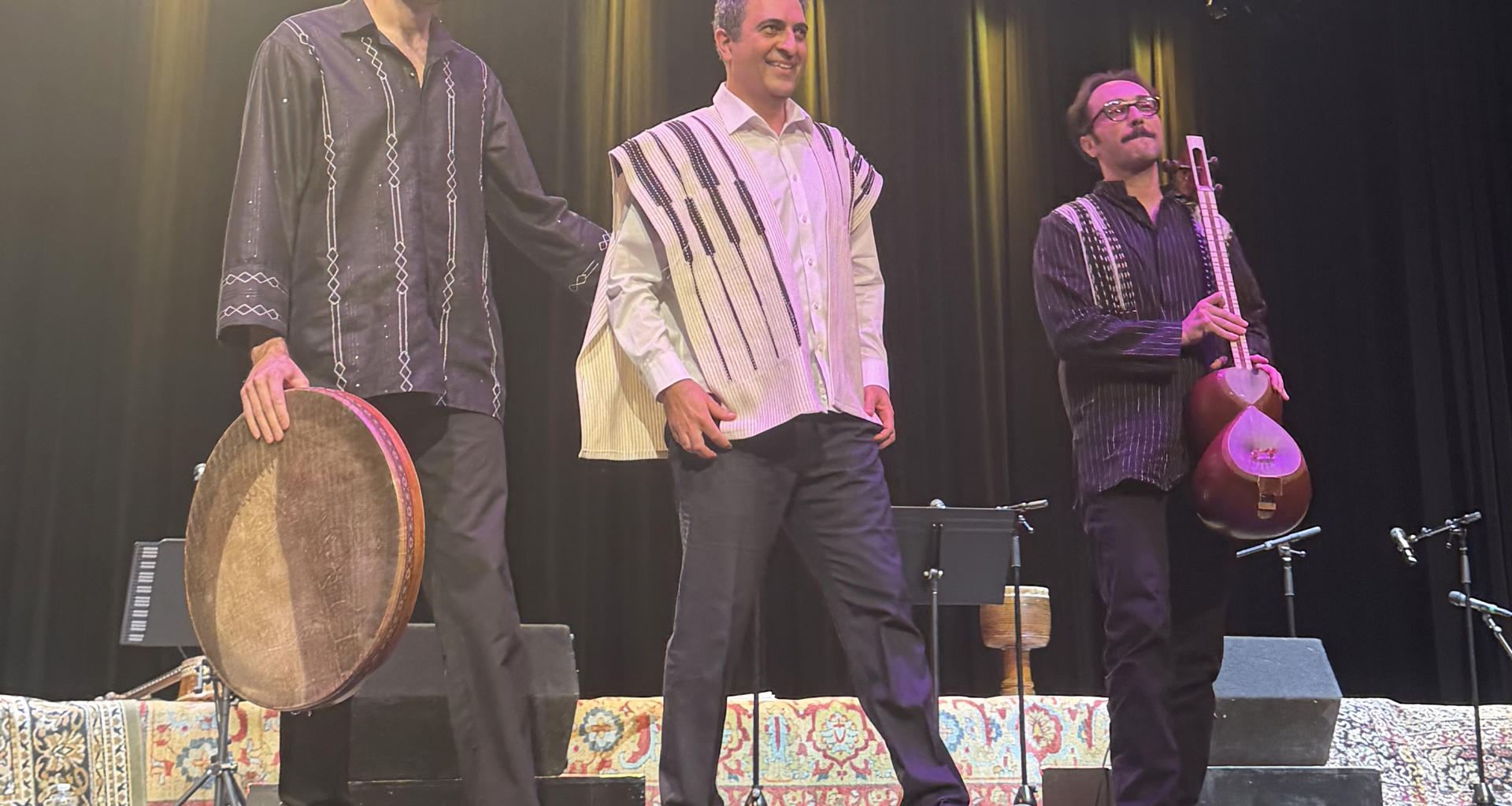
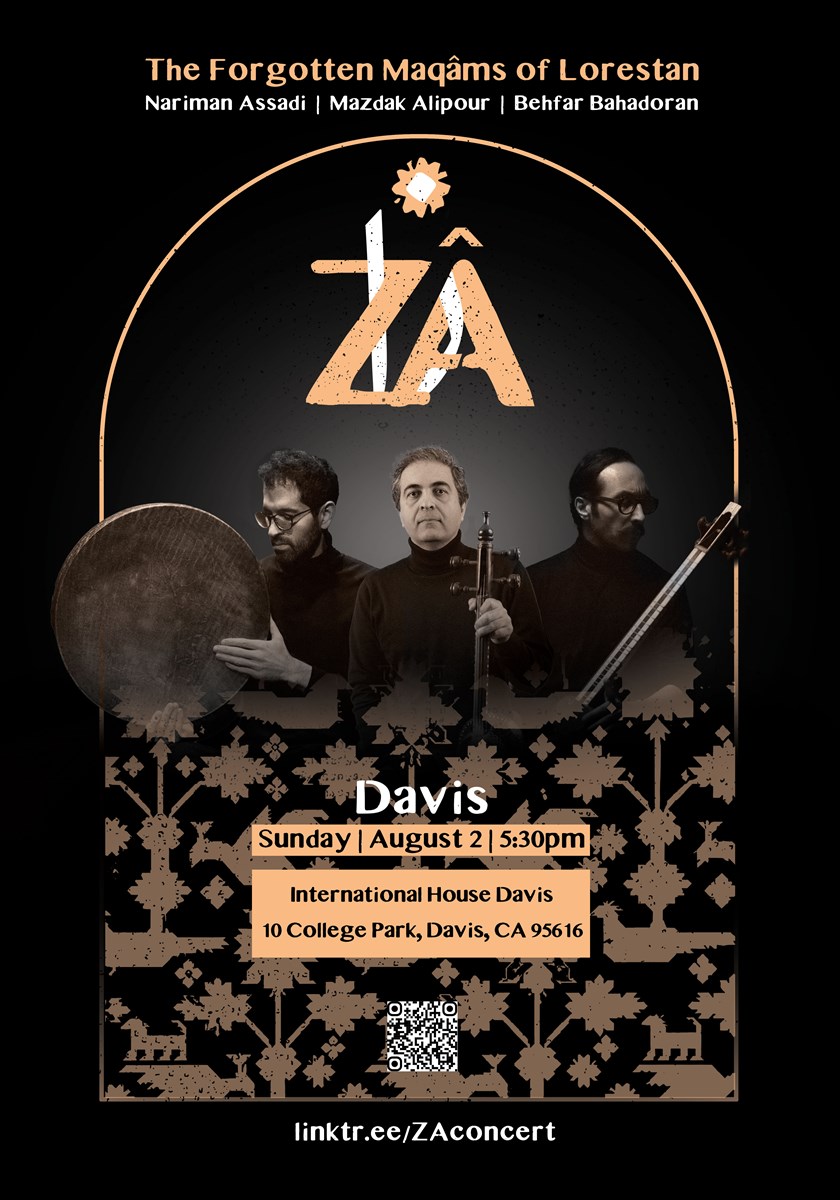 ZÂ will be performed at the International House Davis on Sunday, Aug. 2.Courtesy of Nariman Assadi
A new touring performance — featuring a Sacramento-based percussionist — is bringing this rarely-experienced part of the country’s culture to audiences across the country, including at the International House in Davis on Aug. 2.
ZÂ guides audiences through the emotions and journey of life, woven around the traditions from the Western Iranian province of Lorestan and featuring the sounds of Iranian string instruments and drums.
Musicians Nariman Assadi, Behfar Bahadoran and Mazdak Alipour spoke with Insight Host Vicki Gonzalez about the inspirations behind ZÂ, and shared a sample of Lorestani music.
This interview has been edited for length and clarity.
Interview highlights
I would just love to start with learning more about the three of you. Where did your passion for music come from?
NARIMAN: Since I was 13 years old, I started playing the instrument called Tombak, a goblet-shaped drum. That was my first experience with music. And I’ve been following music performances, other musicians, started learning more drums [and] percussion. That was my first interaction with music.
BEHFAR: I started studying music when I was six, and we’ve been performing on different stages in Iran, outside and in the United States for the past 20 years. I’ve known Nariman and Mazdak for five years now, and we have been working on different projects but this is the first project that we have been working on — Lorestani music to be specific.
MAZDAK: So from the early ages, [I] played music. [I] started learning from my dad; his name is Faraj Alipour, he’s a legendary Kamancheh player and vocalist.
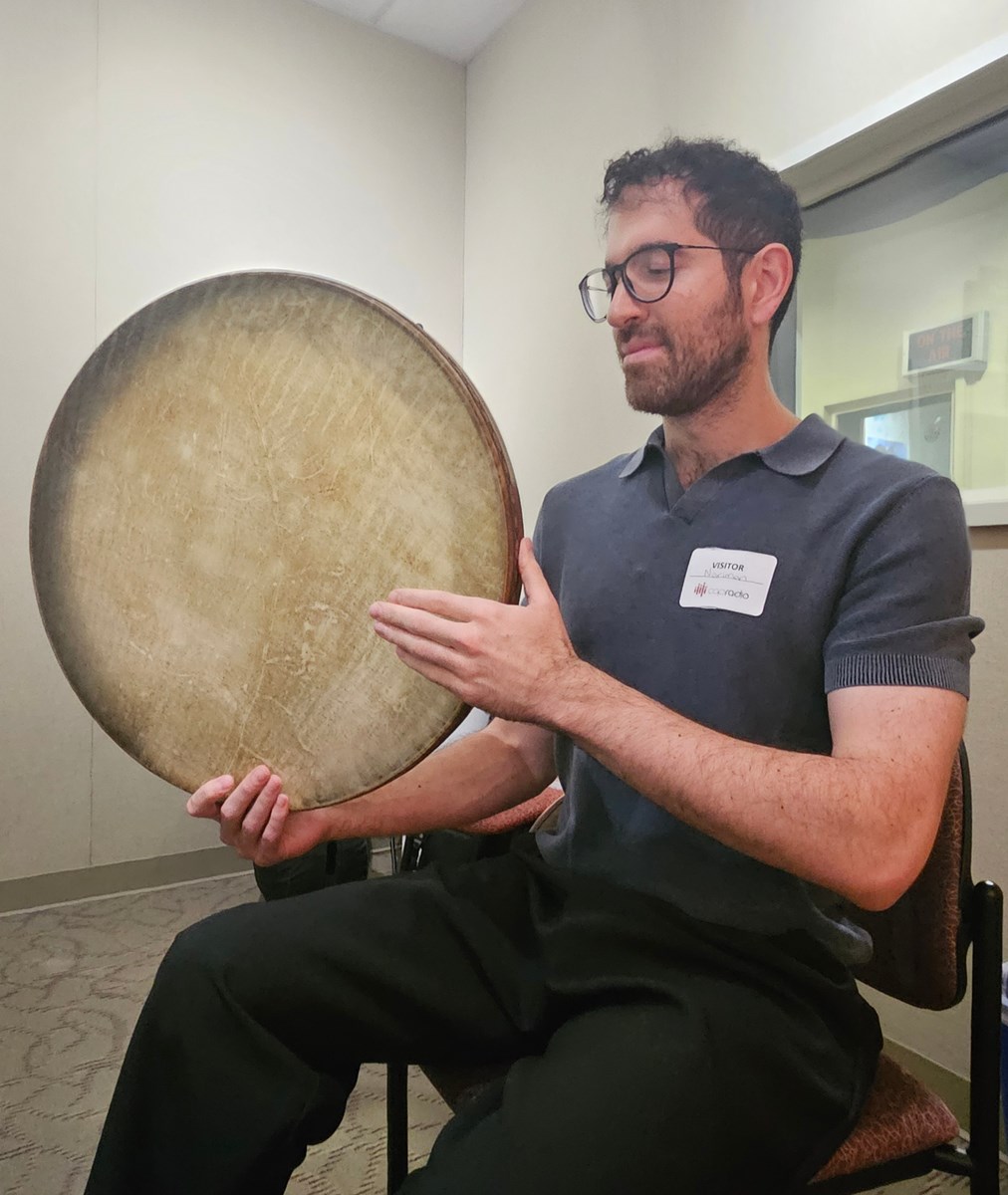 Nariman Assadi has played percussion instruments since he was 13 years old. He is seen here holding the Iranian frame drum called the Daf.Sarit Laschinsky/CapRadio
Nariman, you teach at schools in Sacramento. What is that experience like, bringing this musical style and traditions to young children?
NARIMAN: Yes, I teach Tombak and Daf [in] private and group lessons, and also working with elementary schools, Music for Children, and Farsi schools.
Since I started the training for music for children I always had that desire, especially in [the] Iranian diaspora, to teach the second generation of Iranian kids about their culture. Also sharing this culture with the elementary schools is a different experience for me, especially kindergarteners, TK and first graders that I see every day. It’s very joyful, playing these instruments and sharing a culture that I’ve lived.
What was the inspiration for ZÂ itself?
NARIMAN: ZÂ coming from the word zāyesh in Persian, meaning “birth” and “beginning.” It was born from a desire to preserve and share this living tradition. If you go to a village in Lorestan, in Western Iran, you can see it still happening.
It explores the milestones of life through music from lullabies, work music, love music, weddings, ritualistic ceremonial music that we have, and also mourning and celebration music.
What are the instruments that you are playing?
NARIMAN: So the instruments we’re performing with are the Kamancheh, the Iranian fiddle; Tar [a lute-like instrument]; and Daf, the frame drum.
ZÂ’s music comes from the Lorestan region of Iran. Can you describe what the music there is like?
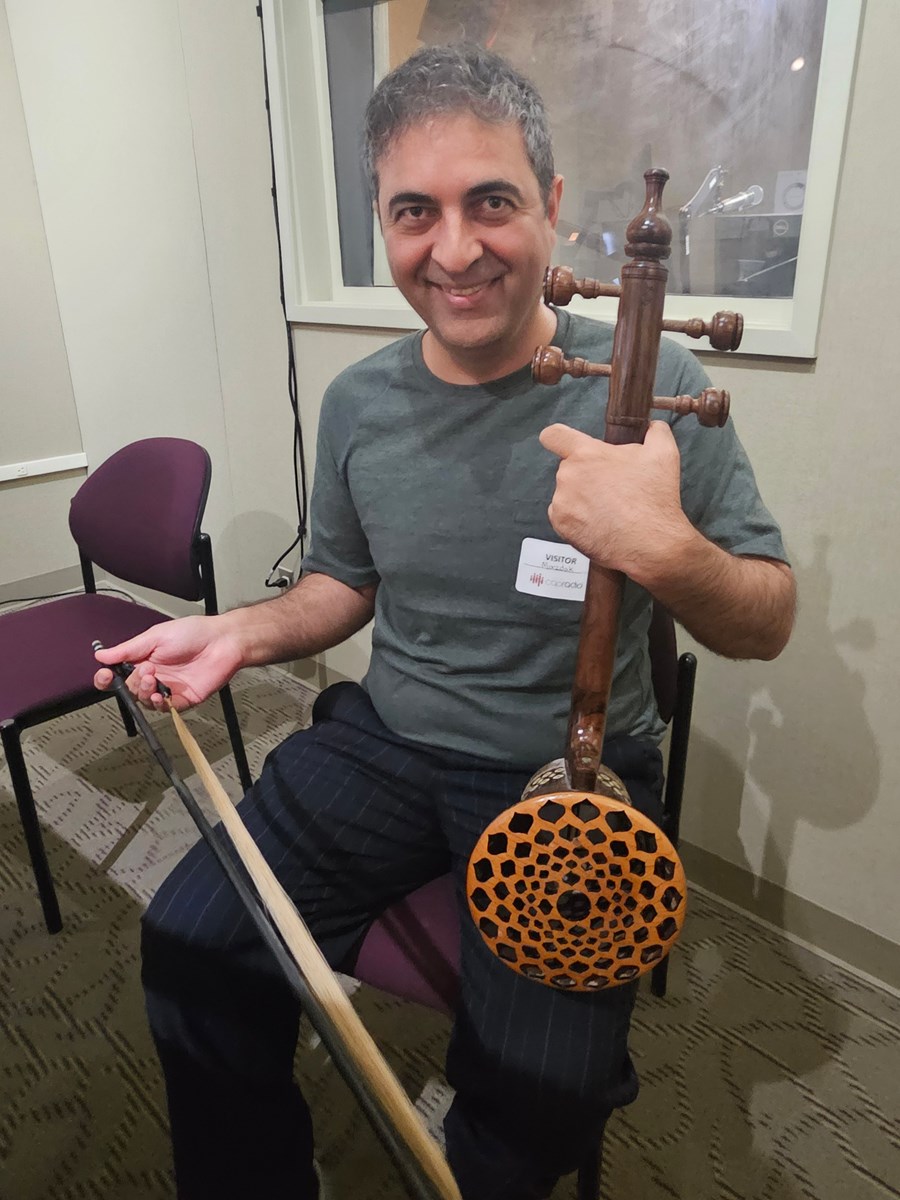 Mazdak Alipour plays a Lorestani version of a string instrument known as the Kamancheh, which has an open back for better amplification.Sarit Laschinsky/CapRadio
MAZDAK: What is very unique about Lorestan [is the instrument]. As you can see here, it has this special design where the back of this instrument is open compared to other Kamancheh in the other regions. The reason for that is it was used to play at weddings, and there was no amplification. So they designed this instrument so people can hear it.
In Lorestan, in that region, they do everything with music. They wake up, they have music. They work, they have music. They fall in love, they have music for it. And if they lose someone, they also have music. They’re happy people, but some of the upbeat music you hear, when you go deep into the lyrics they’re actually very sad.
This performance is touring all over the country. What has the response been like?
NARIMAN: It’s interesting; for the first time I feel like everyone from all ages is connected to this music. We actually performed a demo of this performance at UCLA and we had some non-Iranian professors actually reaching out to us that they really enjoyed it. In Portland there was a kid, 12 years old, came up to us and was like, “that was the first time I’m hearing music from my homeland.” She was very attached; she told us she felt very connected to her ancestors by this music as well.
We also heard from non-Iranian audiences that they really love it, they feel attached as we were telling this story. And I feel, [compared to] other performances that we had before, this is not just museum pieces of the past that we’re showing, rather a life story.
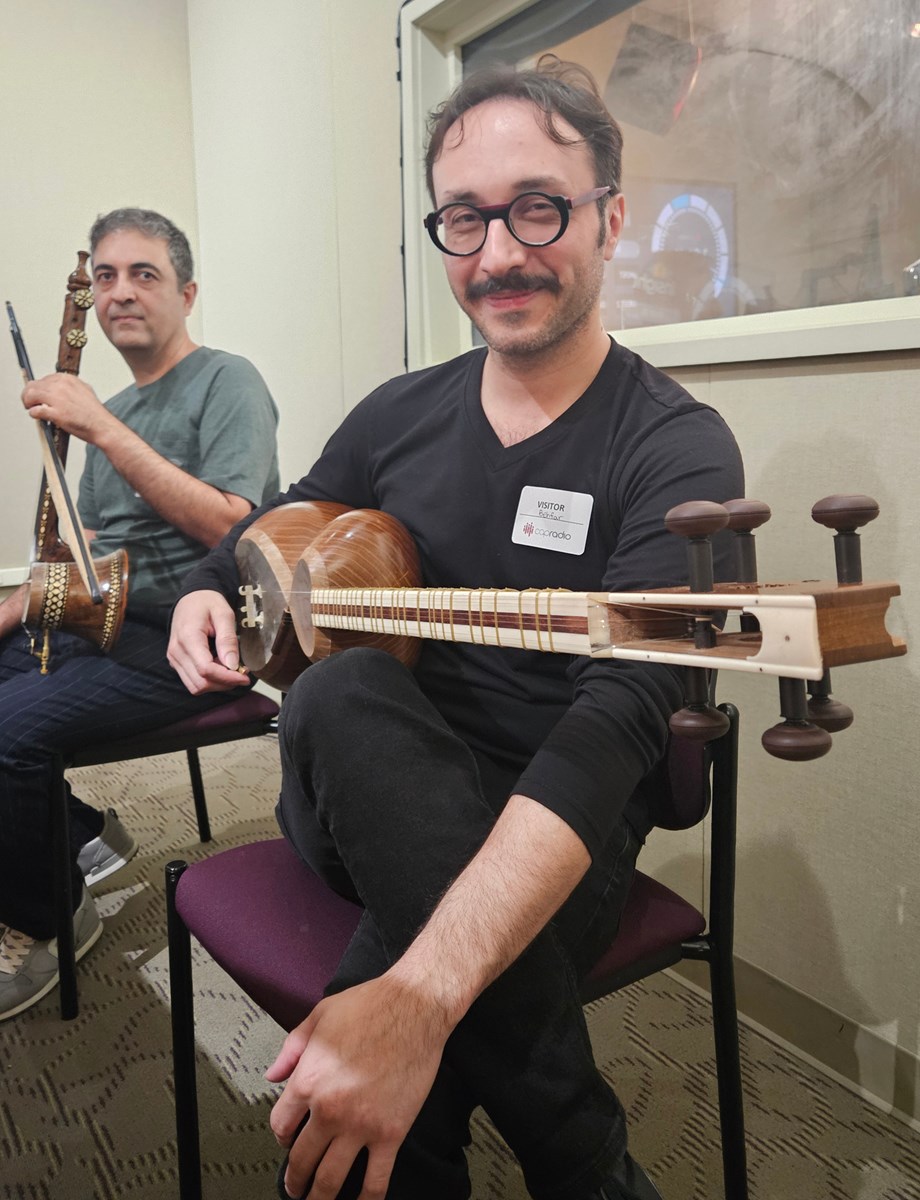 Behfar Bahadoran plays the Tar, a lute-like instrument. He says it is refreshing to share Iranian music and culture with American audiences.Sarit Laschinsky/CapRadio
Everyone in the audience, they’re also joining us in this journey as we’re going. We hope that every time that we take this on the stage, we also leave those pieces in the moment.
Music has the power to educate, and bring people together. What does it mean for you all to perform together and connect these traditions through song?
BEHFAR: Being part of the Iranian diaspora for the past 20 years reconnecting in a way to the roots of our culture, and also sharing it with the American society that I’ve been living within myself for almost two decades, it’s amazing.
It’s sharing something more than what we actually hear and see on the news. It’s refreshing, I think, to the foreign audience [and] our culture.
Editor’s note: Nariman Assadi provided translations for Mazdak Alipour during this interview.
ZÂ will be performed at the International House Davis from 5-7 p.m. on Aug. 2.
Follow us for more stories like this
CapRadio provides a trusted source of news because of you. As a nonprofit organization, donations from people like you sustain the journalism that allows us to discover stories that are important to our audience. If you believe in what we do and support our mission, please donate today.