
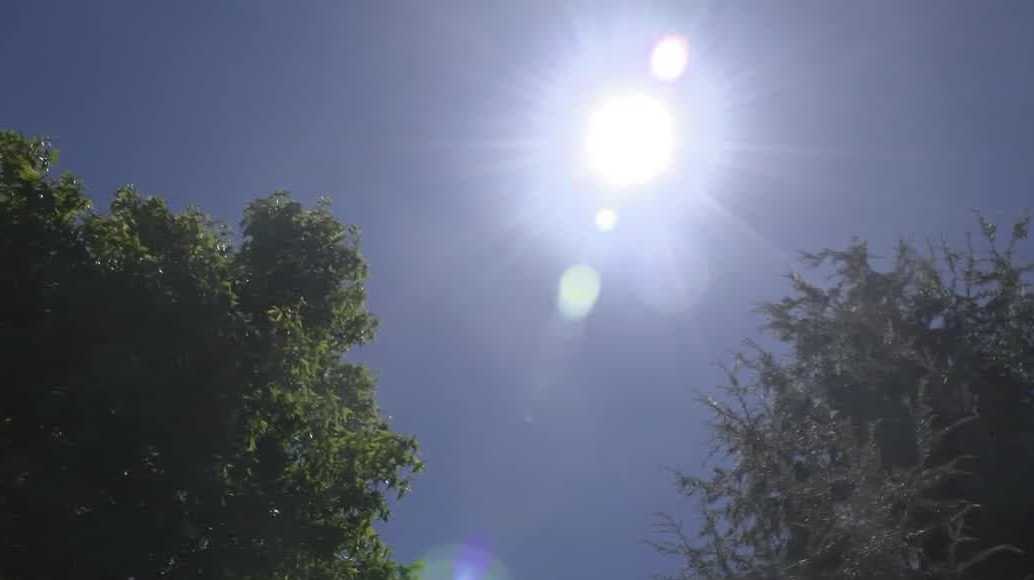
Ahead of a heat wave, Sacramento focuses on cooling its hottest neighborhoods
Officials say urban heat islands, limited shade and heat-absorbing surfaces can intensify temperatures across the city
 SACRAMENTO, Calif. —
Sacramento’s urban heat islands, areas where neighborhoods are warmer than surrounding locations because of heat-absorbing surfaces and limited shade, are creating noticeable temperature differences as another heat wave approaches the region.
Buildings, roads and pavement absorb and retain heat, making some parts of the city feel hotter than others. The amount of shade, pavement and other heat-absorbing surfaces can significantly affect surface temperatures.
A KCRA 3 infrared thermometer measured pavement temperatures around noon at 86 degrees in Land Park, where tree canopy is abundant. Just six miles south, in an area with fewer trees, the pavement measured 137 degrees. According to the U.S. Environmental Protection Agency, urban heat islands can raise daytime air temperatures by 1 to 7 degrees compared with surrounding areas.
“There are a number of really-heat sensitive, vulnerable areas that we’re prioritizing; Del Paso Heights in the North Sacramento area, certainly Meadowview, the Stockton Boulevard area, South Sacramento,” said Rachel Patten, sustainability program manager for the City of Sacramento.
The city has made heat mitigation a key part of its Climate Action and Adaptation Plan. Efforts include planting more than 300 trees between November 2024 and March 2026, expanding shade in parks and future developments, and focusing resources on neighborhoods with more heat-absorbing surfaces and less tree canopy.
In October 2025, the city opened Thelma Park in South Natomas with a shaded playground, covered picnic area and drought-tolerant landscaping designed to help reduce heat during warmer months. The city has also installed shade canopies over playgrounds at Fong Ranch Park and Shorebird Park.
“Those extreme heat waves worsen air quality. They spike cooling costs for residents, and it elevates our city by several degrees and increases the danger of heat related illness,” Patten said.
See more coverage of top California stories here | Download our app | Subscribe to our morning newsletter | Find us on YouTube here and subscribe to our channel.