
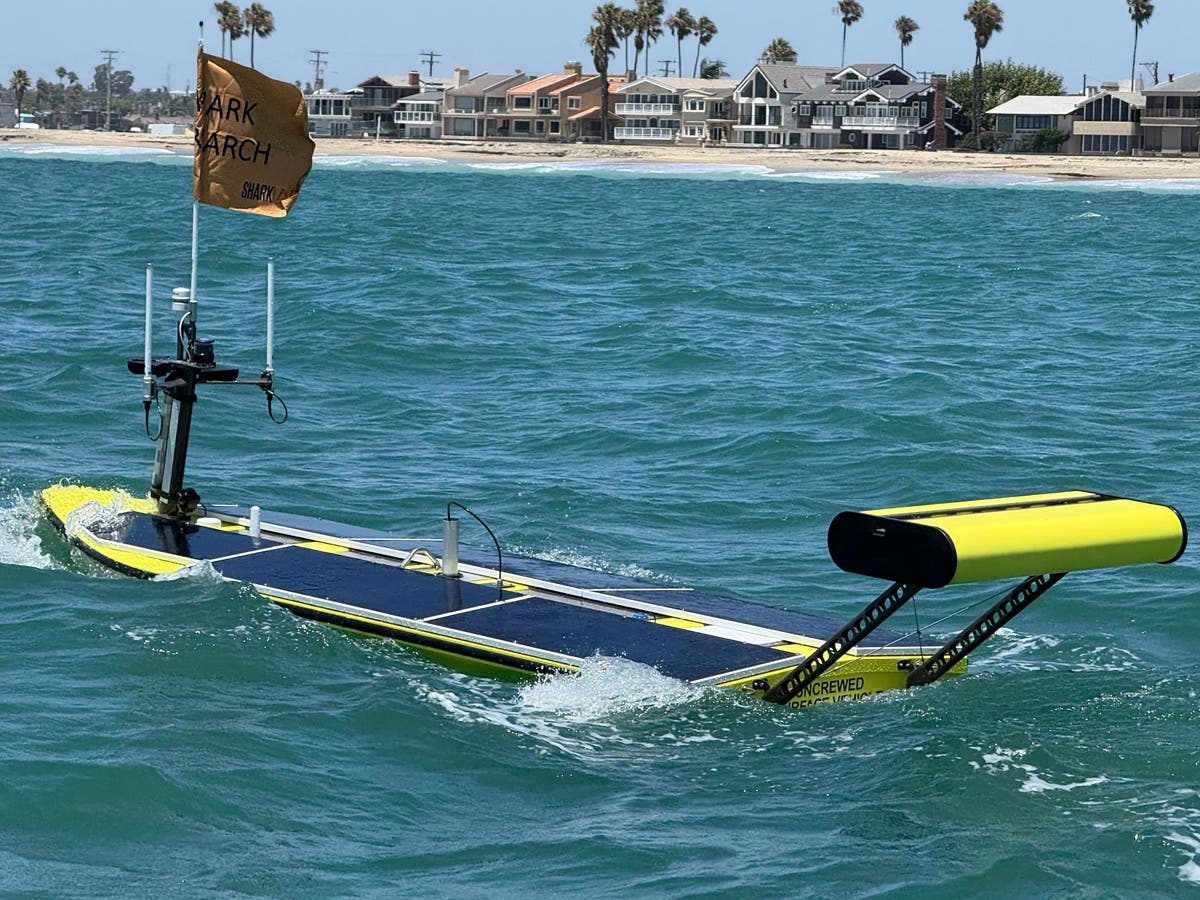
The project brings together the CSULB Shark Lab, the Monterey Bay Aquarium Research Institute and New York University’s Center for Robotics with funding from the Seaver Institute.
The announcement comes as marine scientists continue tracking increased shark sightings and other tropical marine species in California waters during this year’s unusually warm ocean conditions. Experts stress, however, that encounters between sharks and people remain uncommon.
According to the California Department of Fish and Wildlife, there have been 236 documented interactions between sharks and people off the California coast since 1950, compared with an estimated 120 million beach visits each year.
Researchers say the surveillance robot is designed to help lifeguards, scientists and beachgoers better understand when sharks are present, rather than discourage people from enjoying California’s beaches.