
DOWNTOWN SAN DIEGO
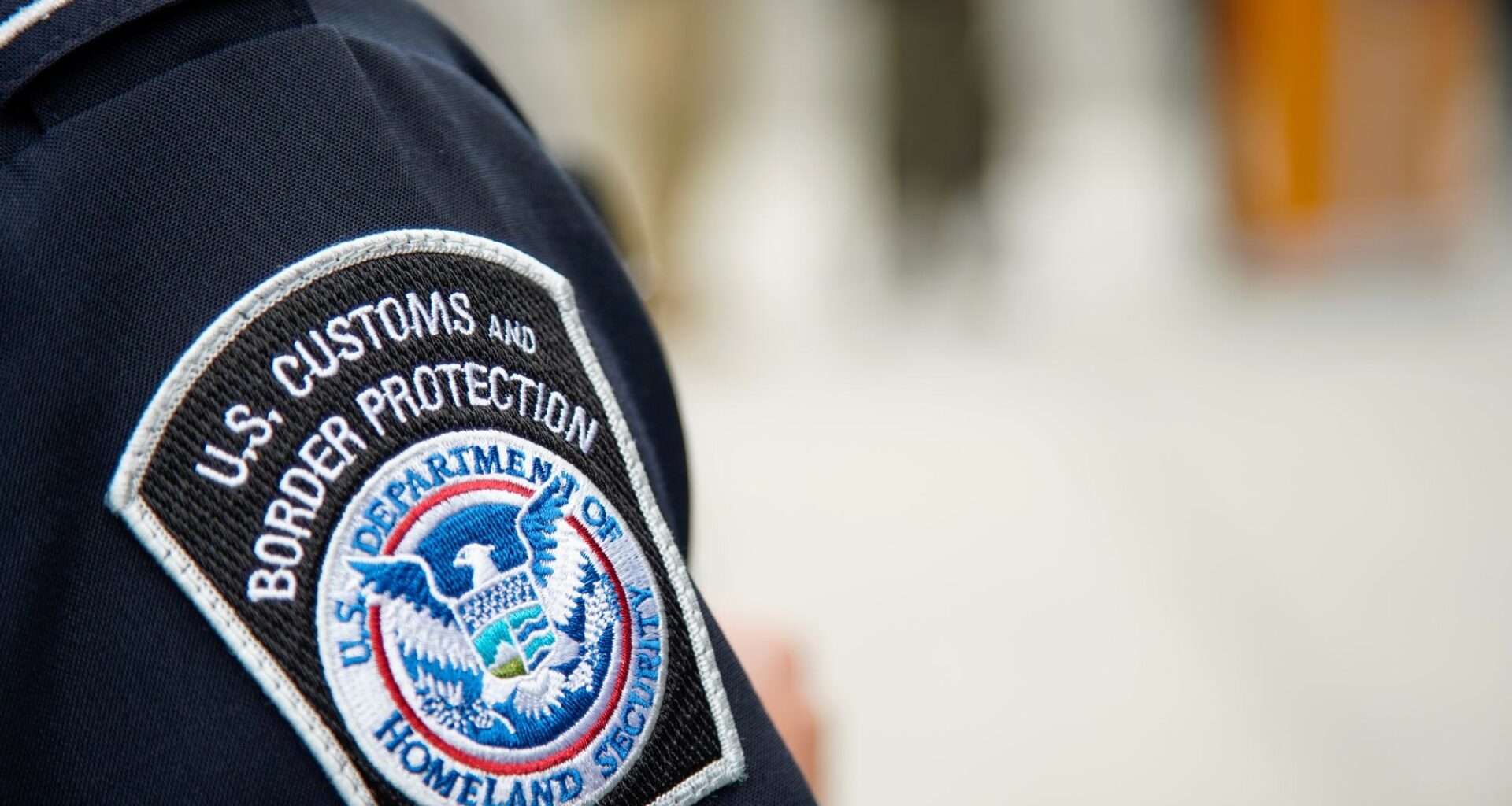
A federal judge on Friday sentenced a former U.S. Customs and Border Protection officer to nine years in prison for conspiring with members of the Sinaloa cartel to allow hundreds of pounds of fentanyl, cocaine, methamphetamine and heroin to move undetected through his inspection lanes at a San Diego-area border crossing.
Jesse Clark Garcia, 38, pleaded guilty last year to nine counts related to the importation of drugs. He admitted in his plea agreement that he and another former CBP officer, Diego Bonillo, conspired with Mexican drug traffickers to look the other way while drug-laden vehicles moved through their inspection lanes at the Otay Mesa and Tecate ports of entry.
Bonillo, who prosecutors said never once intercepted drugs at a border crossing, was sentenced last year to 15 years in prison for his role in the conspiracy.
U.S. District Judge Ruth Montenegro said Friday that Garcia “facilitated the exact crime a CBP officer … is supposed to prevent.”
Garcia, who served in the Army and saw combat in Iraq before joining CBP, apologized to the judge Friday for his actions.
“I know what I did was really wrong and I regret it every day,” Garcia said.
According to his plea agreement and other records in the case, the conspiracy began at least as early as 2021 and continued until the early part of 2024.
Prosecutors alleged that both Garcia and Bonillo, who also happened to be an Army veteran, “profited handsomely” from the criminal conspiracy, earning tens of thousands of dollars for each drug-laden vehicle they ushered into the U.S. without scrutiny.
Assistant U.S. Attorney Shauna Prewitt told the judge that Garcia did not commit his crimes out of financial desperation or to help fuel an addiction; instead, it was “for greed, years of greed,” she argued. “It was not just corruption, but lucrative corruption.”
Prewitt argued that Garcia lived lavishly off of the drug money, referencing his co-ownership of a horse-racing stable, multiple vehicles, a home in San Diego, a planned ranch that was under construction in Mexico, and purchases of pricey items from luxury brands Burberry, Gucci and Louis Vuitton.
Defense attorney Jennifer Coon argued that Garcia’s ownership stake in the horse-racing business predated his criminal activity and funded his luxury purchases. She also argued that while Garcia had received some significant payments, “the cartel was very behind” on payments it had promised him.
An indictment alleged that Garcia and Bonillo allowed more than 1,150 pounds of drugs into the U.S. on five occasions between 2021 and 2024, though that total only accounted for the drugs that authorities later seized — prosecutors assume the actual amount of drugs that made it through their lanes undetected is much higher. For example, Prewitt told the judge that one woman who was caught with nearly 500 pounds of cocaine in her car after crossing through Garcia’s lane told investigators that she’d smuggled drugs through his lane on at least 12 prior occasions.
According to Garcia’s plea agreement and other court records, his criminal activity began as early as April 2021. A later investigation by the FBI San Diego field office’s Border Corruption Task Force uncovered patterns of suspected drug smugglers who typically only crossed the Tecate Port of Entry when Garcia was working and only crossed through his lane. Prosecutors alleged that some of those same vehicles or drivers also regularly passed through Bonilla’s lanes at the Otay Mesa Port of Entry.
In February 2024, as investigators learned more about the corruption scheme, they sent undercover agents to secretly follow two different vehicles that passed through Garcia’s lane within about two hours of each other. When they eventually stopped those vehicles, they found hundreds of pounds of drugs in each one.
The next month, Garcia fled to Mexico in a vehicle packed with his belongings and stopped showing up to work or responding to his supervisors, according to prosecutors. The government described his actions as an attempt to “abscond rather than face responsibility for his criminal actions as the investigation heated up.”
His time on the lam lasted barely a month. On May 2, Mexican law enforcement officers arrested Garcia at the behest of FBI agents. Two days later, FBI agents arrested Bonillo in Las Vegas, where he was allegedly staying at a pricey resort and had $2,000 tickets to a boxing match.
In court Friday and in a letter to the judge, Garcia and his attorney said he overcame a difficult, impoverished childhood to make a good life for himself. He joined the Army straight out of high school and served six years, from 2006 to 2012, which included at least one combat stint in Iraq. He left the Army “as a decorated sergeant with combat awards for valor and the combat infantry badge,” he wrote to the judge. But he was also diagnosed with post-traumatic stress disorder a short time after returning from Iraq.
Soon after leaving the Army, he joined CBP, and while working as a border officer he obtained a bachelor’s degree in criminal justice while attending an online university.
“My life at this point was perfect and honorable, while making my parents and family proud,” Garcia wrote. “After so many years of serving and protecting this great country, I betrayed it … I have let my entire family and country down.”
Garcia and Bonilla are among at least six CBP officers to be charged in recent years with secretly allowing drugs or unauthorized migrants through their inspection lanes at San Diego-area ports of entry.
In 2024, a federal jury convicted Leonard Darnell George of accepting hundreds of thousands of dollars in bribes in exchange for allowing smugglers to bring drugs and unauthorized migrants through his lanes at the San Ysidro Port of Entry.
In a separate case charging three former CBP officers with accepting bribes to allow undocumented migrants through their lanes, two officers have pleaded guilty and are awaiting sentencing while a third has maintained his not-guilty plea and is moving toward trial.