
As UC Berkeley moves forward with a preservation strategy for its Clean Energy Campus project, environmental organizers have concerns over whether the campus will deliver on promises to protect and restore habitat for the California pipevine swallowtail butterfly.
The Clean Energy Campus Utility Improvement Project is set to slash campuswide carbon emissions by more than 60%, replacing its aging natural gas cogeneration plant with a $270 million, all-electric heating and cooling system.
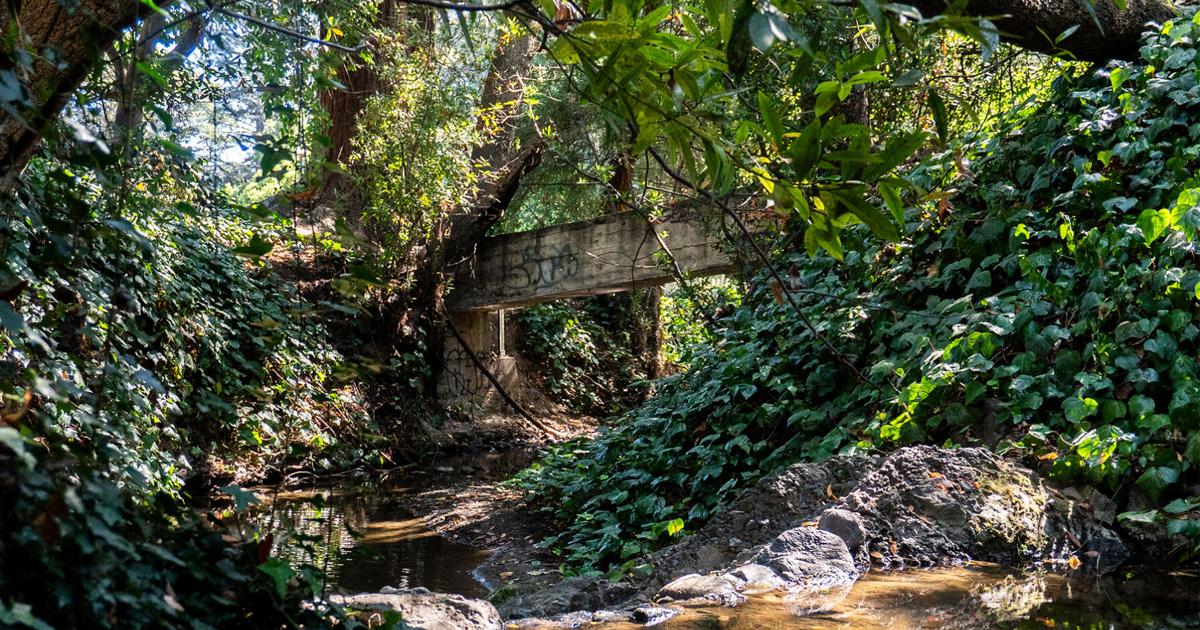
However, the construction footprint cuts through Strawberry Creek, home to the California pipevine swallowtail, a butterfly that relies exclusively on the local pipevine plant for its entire life cycle.
Campus said it is aware of this biodiversity concern regarding this large-scale sustainability effort and is taking measures to preserve as much of the butterflies’ habitat as possible.
Recognizing concerns about the California pipevine swallowtail butterfly, UC Berkeley released a Pipevine Preservation and Replanting Strategy in June. The strategy outlines how the campus intends to reduce impacts on the habitat before, during and after construction.
According to the strategy, crews will preserve pipevine wherever possible, propagate cuttings and seeds from plants that must be removed, establish new planting sites, restore disturbed habitat after construction and monitor growth over long periods of time. Campus spokesperson Kyle Gibson said in an email that only the section of pipevine necessary for construction was removed, while the remaining habitat was preserved.
“While major utility infrastructure projects inevitably cause temporary disruptions to the campus landscape, these targeted steps—combining in-place preservation with active transplantation and replanting—will result in a net increase of pipevine habitat at UC Berkeley,” the plan’s website states.
Because neither the California pipevine nor the pipevine swallowtail is protected under state or federal endangered species laws, campus is not legally required to relocate or replant the habitat, Gibson said in the email.
Despite this preservation strategy, Rosetta Wang, UC Berkeley alumna and founding director of the Wild Harvest and Restoration Fund, said the campus has not consistently followed through on the commitments outlined in its plan.
Wang claimed that since UC Berkeley started the preservation strategy, she has found a pile of pipevine that was removed during construction, left exposed in the sun over a weekend, which would have all died if she hadn’t bagged and taken them to propagate.
However, Gibson said the pipevine removed from the excavation site was cut only after construction could no longer be delayed and while the plants were in their natural, dormant phase when no caterpillars were present.
According to Wang, developers provided little advance notice before removing habitat, making it difficult for volunteers to relocate plants or protect butterfly chrysalises ahead of construction and leaving them feeling “stonewalled.”
Gibson disputed that characterization, saying in the email that campus officials had been in direct communication with Wang’s group for months and that the preservation strategy had been publicly available throughout the entire project.
Although Wang hopes campus expands the pipevine habitat as promised, she believes public accountability will be necessary.
“We have to hold them to their word,” she said, arguing that restoration efforts should aim for the butterflies’ new environment to remain at the current level of 2,000 caterpillars to ensure that the project does not kill off part of the butterfly population.
While the debate over UC Berkeley’s preservation strategies continues, Wang and other volunteers are moving forward with their own restoration plans at the UC Gill Tract Community Farm, an urban farm in Berkeley.
As construction continues, campus says it remains committed to completing every phase of its preservation strategy, including propagation, transplantation and post-construction habitat expansion.
The Wild Harvest and Restoration Fund is currently propagating salvaged pipevine with plans to replant during the fall rainy season, when conditions are more favorable for establishment.
The group is also seeking additional planting locations and community volunteers to help extend habitat for the butterfly.
This article was authored by Maileah Wesson and Tessa Hsu, participants of The Daily Californian’s High School Journalism Intensive.