
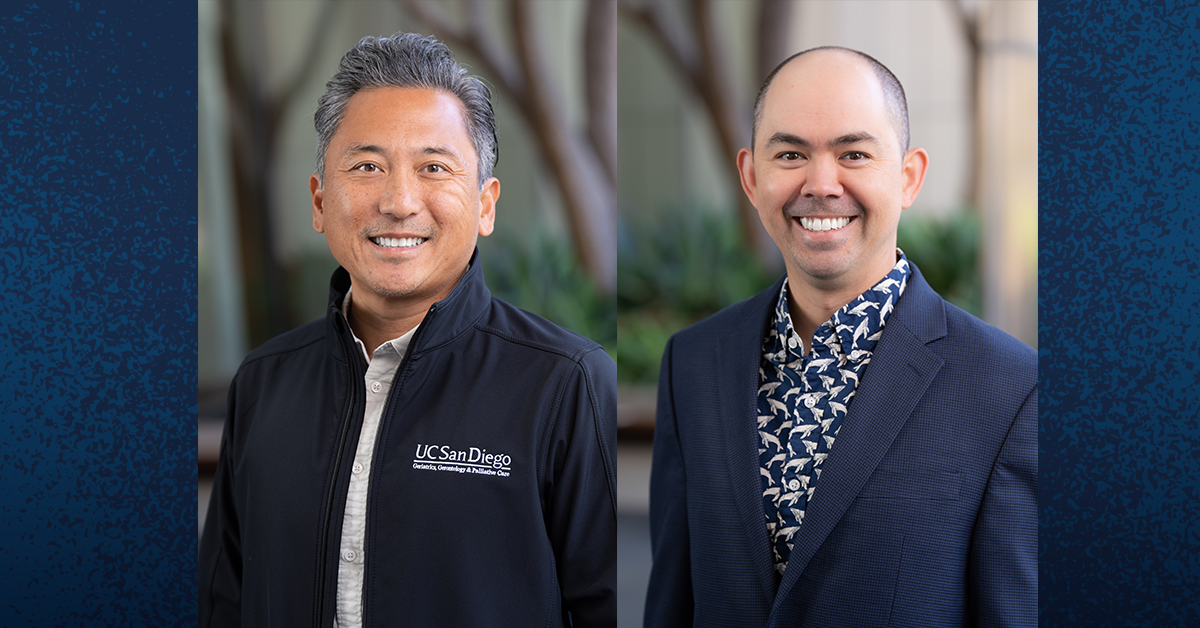
The Stein Institute was selected to lead the central lab because of its extensive expertise studying the biological drivers of aging, experience coordinating global clinical studies, and its proven capabilities in biospecimen handling. The lab will serve several key functions for the competition, including:
Standardized Protocols: Creation and distribution of uniform clinical-trial procedures, specimen-handling guidelines, and assay methods for all finalist teams.
Biorepository Management: Secure, centrally-located storage of blood, tissue, and other biospecimens with full chain-of-custody controls.
Sample Analysis: Providing high-throughput genomics, epigenomics, proteomics, metabolomics, and cellular-aging biomarker profiling to generate an objective health-span metric.
Data Integration and Reporting: Real-time data aggregation, quality-control oversight, and delivery of blinded results to the XPRIZE adjudication panel.
“The central laboratory is the scientific backbone of this competition,” said Michael Corley, PhD, associate professor of medicine at UC San Diego School of Medicine, who will co-lead the lab with Molina. “By providing a single, gold‑standard platform for sample collection, multi‑omics analysis and data integration, UC San Diego will set the benchmark for how we measure biological aging and will accelerate the translation of breakthrough therapies into clinical practice.”
As well as a testament to UC San Diego’s excellence in research on aging, the selection could also present a wealth of opportunities for global collaboration and industry partnership, as the finalist teams will be working closely with the Stein Institute, including on‑site training at the central laboratory, standardized protocols, and oversight of sample collection and processing.
“This is a transformational effort in the science of aging, unlike anything that’s ever been done before,” added Molina. “The competition may end in 2030, but the long-term impact of this work will be felt for many years to come, both for scientists in the field and for future patients who will benefit from the resulting treatments.”>
Read more news about: School of Medicine,