
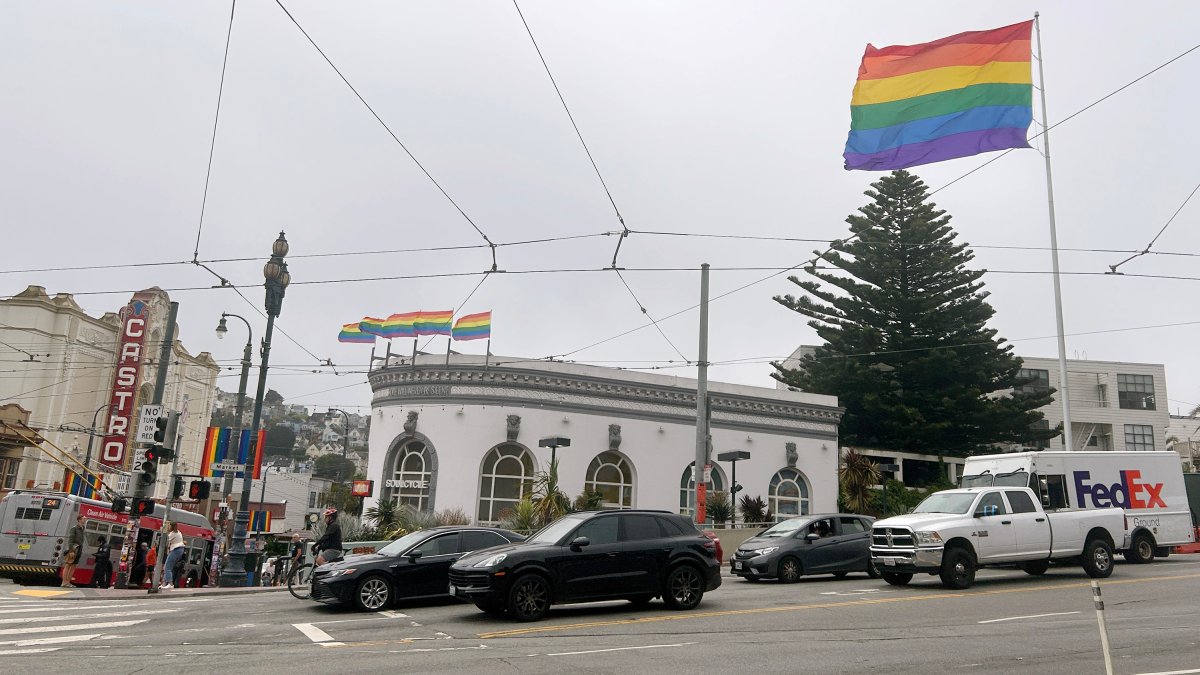
Over the weekend, two popular gay bars in San Francisco halted the use of ID verification technology after pushback.
Badlands and Toad Hall, both in the Castro neighborhood, opted to pause using Patronscan Guard+, an AI assisted identification reader, similar to what you may see at an airport, after community concerns were raised.
Patronscan is an ID scanning technology that can identify fake IDs at a forensic level through comparisons with known fake templates and comparisons with government provided security measures. Servall Data Systems, the makers of Patronscan, also offers a flagging service that can help bars and venues alert their employees of problematic customers and share that information with other establishments that utilize this technology.
Opponents are concerned that it is data collection of vulnerable populations and yet another form of tech surveillance in the age of license plate readers and even facial scanning AI.
Fight for the Future, an advocacy organization that has been working to prevent AI surveillance technology from being utilized in music venues and bars around the country, called for a boycott all bars in San Francisco that use Patronscan, until they discontinue its use.
“We have heard the concerns regarding the use of Patronscan at Badlands and Toad Hall in San Francisco, and we are listening,” said Brian Aranda, director of operations at both bars, in a statement released on Friday. “Effective immediately, we are pausing the use of Patronscan while we review our ID verification and security practices. The safety of our guests and staff remains a priority, as do privacy and trust. Our security teams will continue to thoroughly check IDs manually during this time.”
Evan Greer, director of Fight for the Future said that their organization has been working on campaigns to resist AI surveillance since 2019, with a focus on nightclubs and music venues. The push has rallied support from bands like Rage Against the Machine, Bikini Kill, Deerhoof and many others to boycott venues that utilize these types of technologies.
Once they learned that several gay bars in San Francisco had adopted the Patronscan technology, their organization setup a boycott petition, both to call for patrons to avoid clubs and bars that use this technology, and to get other bars to state they would never adopt this type of tech at their establishments.
So far Greer said that El Rio and DNA Lounge in San Francisco and the La Peña Cultural Center in Berkeley, among others, have signed the pledge.
Greer said that this technology won’t actually keep people safe, and that surveillance is typically only used after an act has been committed.
“It’s important that we don’t frame this as some kind of philosophical debate between privacy and safety… they’re wasting money that they could be spending on more staff, for example, which actually would lead to more safety in these venues.” said Greer “We’ve all been fed the kind of propaganda stories on TV where we see the, you know, guys in dark suits using technology to track down…that is not how safety happens.”
Greer added that their organization’s goal is to slow down the adoption of these technologies while lobbying governments to issue ordinances banning their use.
Rhiannon Mosoronchon, vice president of people and operations for Servall Data Systems, said that the company was both aware of the community concerns and the pause in use at Badlands and Toad Hall and said they respected their decision to complete a review as they work through their security practices.
Mosoronchon said that while Patronscan does capture a live photo of individuals, it does not utilize facial recognition technology, collect biometric data or use AI in its assessments. While it does store the live photo of patrons on the businesses’ system, those photos cannot be shared, and they are deleted after 21 days in California, in alignment with state law.
It does however utilize a forensic-level scan of an individual’s driver’s license to determine if their ID is fake, while providing the door person with additional assistance such as questions to ask to assist with determining if an ID is false. Venues can also flag patrons and share their ID scans and photos on a public flag network, accessible by other venues who use the technology.
“We recognize that part of our responsibility is to continue building public trust in and understanding of our system and that this can’t be done through privacy policies or media statements alone – we have to continue holding our team and our venues to the highest standards for transparency, ethical use of our system, and following best practices in privacy and data protection,” said Mosoronchon.
Mosoronchon added that patrons at any time can contact the company through their website to request a copy of the data collected and ask for its deletion if they have concerns.