
California weighs new limits on license plate readers as law enforcement debates their reach
 , Calif. —
California lawmakers are considering new restrictions on automated license plate readers as law enforcement agencies debate how to balance the crime-fighting benefits of the technology with concerns over privacy and data collection.
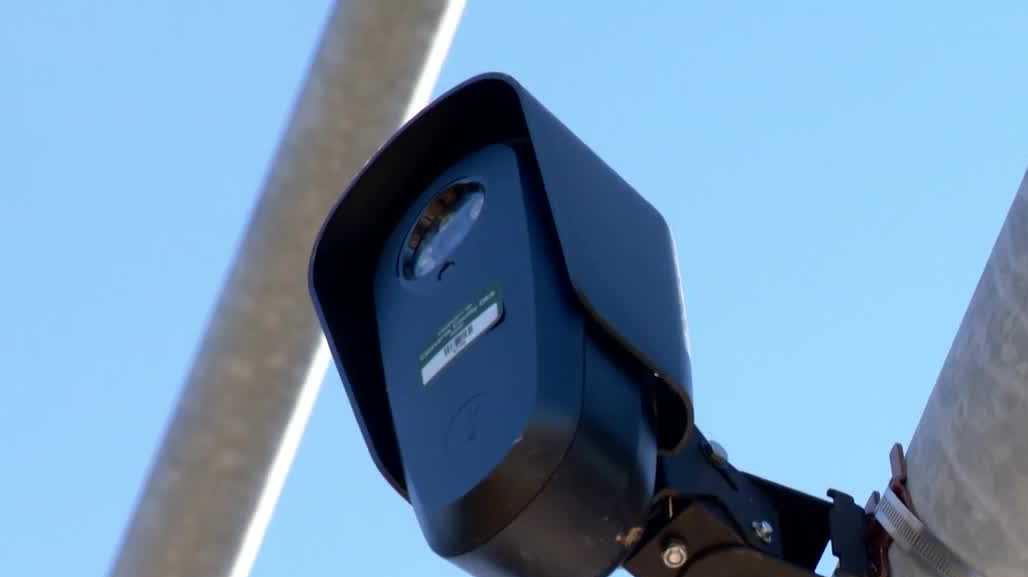
Senate Bill 1013, authored by state Sen. Sabrina Cervantes, would impose new statewide rules governing automated license plate recognition, or ALPR, systems. The technology captures license plates and other vehicle information as vehicles pass cameras, creating data that investigators can later search.
Under the proposed legislation, ALPR information generally could not be retained for more than 30 days if it does not match an authorized hot list, with exceptions including information retained as evidence in an active investigation or criminal proceeding. The bill would also tighten rules governing data sharing and require law enforcement searches to be associated with a valid case file number or task force and recorded in an access log.
Grass Valley Police Chief Alex Gammelgard said the expanding capabilities of ALPR systems have raised new questions.
“With these enhancements come concerns,” Gammelgard told the Grass Valley City Council on Tuesday.
Gammelgard said those concerns include warrantless collection and access to information, privacy, security, data retention and the sharing of information for governmental and nongovernmental purposes.
Sacramento County Sheriff Jim Cooper is among law enforcement leaders pushing back against the proposed restrictions, arguing that investigators may not know a vehicle is connected to a crime until months after it occurs.
Cooper pointed to an April 18 smash-and-grab at a jewelry store in South Sacramento. The suspects were masked and using stolen vehicles. Cooper said his department arrested one person connected to the case Wednesday and that ALPR technology played a role in the investigation.
“Our detectives are still able to track them down and figure out who they were,” Cooper said. “And on a lot of crimes, it actually rules people out and also leads us to suspects.”
Cooper argues that limiting how long the information can be retained could hinder investigations that take months to develop. He also pointed to missing-person cases, Amber Alerts and human trafficking investigations as examples of cases in which ALPR information can be useful.
When asked why information from drivers who are not suspected of a crime should remain in a database, Cooper said deputies do not randomly search the information.
“If we’re going to access that information, it’s for a specific reason, a specific license plate or person,” Cooper said. “So it’s not just out of the blue; it’s not willy-nilly.”
See more coverage of top California stories here | Download our app | Subscribe to our morning newsletter | Find us on YouTube here and subscribe to our channel.