
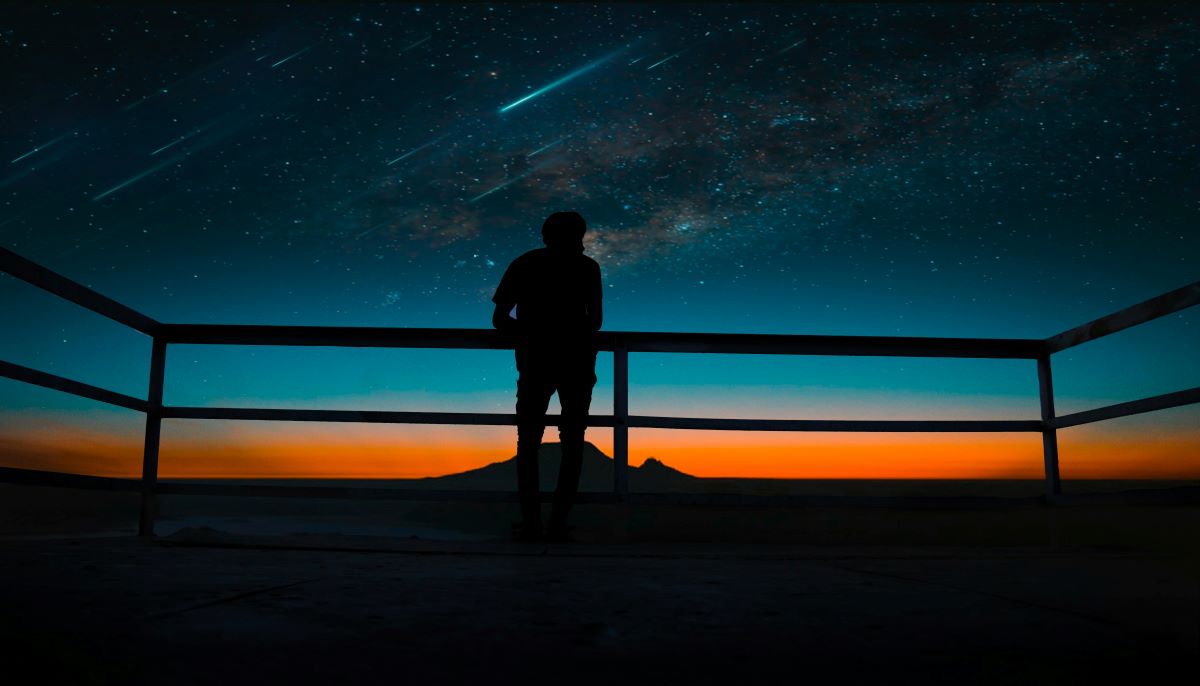
The summer’s most popular and highly anticipated meteor shower is returning, and astronomy enthusiasts around the world are preparing to catch its peak tonight.
The 2026 Perseid meteor shower runs from mid-July through late August, with its biggest show expected tonight, Wednesday, August 12, and before dawn on Thursday, August 13.
NASA and other experts say the shower can produce more than 100 meteors per hour at its peak. More conservative estimates put the number of naked-eye meteors closer to 40–50 per hour, which would still make for an unforgettable night of stargazing.
This year’s new moon should create ideal dark-sky conditions, with virtually no moonlight to wash out the display. That said, Bay Area residents will have to contend with “Fogust,” when the region’s familiar summer marine layer can obscure the sky. Getting farther inland or heading to higher elevations may improve your chances of a clear view.
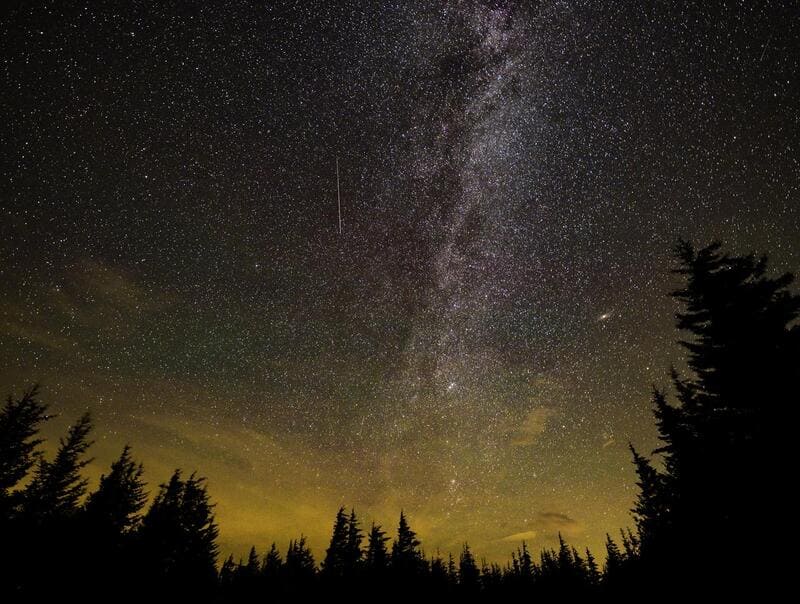 Perseid meteor shower in Spruce Knob, West Virginia in 2021. Photo by NASA/Bill Ingalls
How to see the Perseids in the Bay Area
Northern California stargazers have several options for the peak night. Oakland’s Chabot Space & Science Center is hosting a Perseid watch party from 11 p.m. on August 12 until 3 a.m. on August 13. General admission is $15. The center is also holding a total solar eclipse watch party earlier in the day, from 10 a.m. to 1 p.m.
If you’re hoping to do some stargazing nearby, seek out a dark location away from streetlights and city glow. Some of the Bay Area’s best-known stargazing destinations include Chabot Space & Science Center, Henry W. Coe State Park, the Santa Cruz Mountains, and Point Reyes National Seashore. Check park hours and access rules before leaving, and consult this light pollution map for more ideas.
Find a comfortable spot with an unobstructed view of the sky, and plan to stay out long enough for your eyes to fully adjust (usually around 20 to 30 minutes). Avoid phone screens and other white lights, which can disrupt night vision. No telescope or binoculars are necessary; Perseid meteors are best viewed with the naked eye.
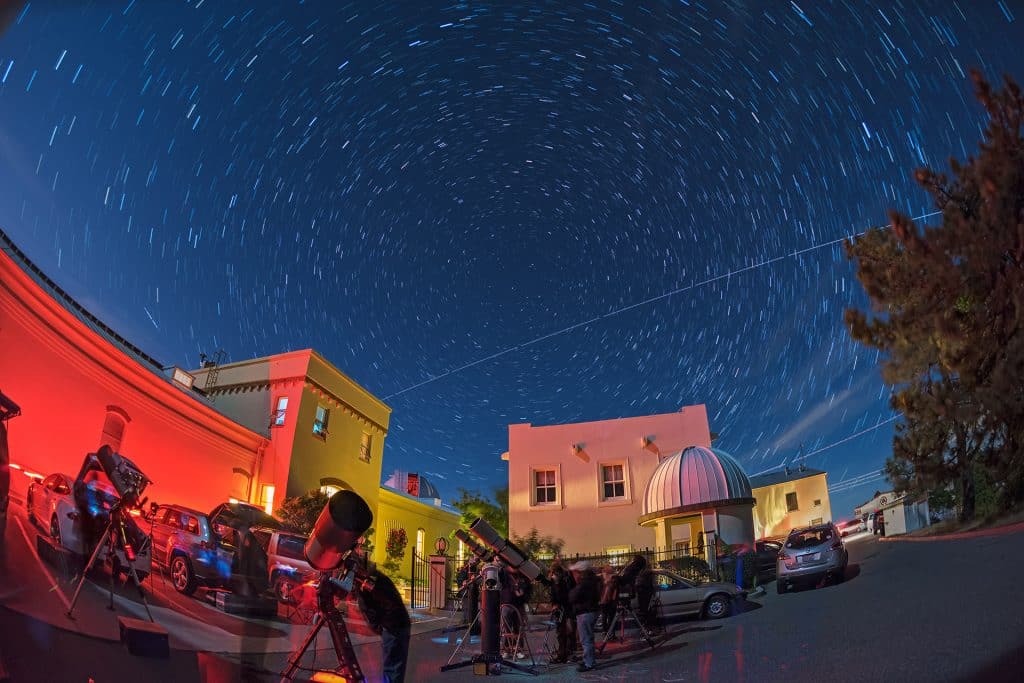 © 2016 Laurie Hatch, courtesy of Lick Observatory
What makes the Perseids special?
The Perseid meteor shower returns every July and August and appears to radiate from the constellation Perseus, which gives the event its name. Observations of the shower stretch back to 36 AD, making it one of the longest-documented celestial events.
The display occurs when Earth moves through the dusty debris stream left behind by Comet Swift-Tuttle. Those tiny fragments burn up in the atmosphere, producing the bright streaks of light visible from the ground.
The Perseids are widely considered one of the year’s best meteor showers because they are frequent, reliable, and often produce brilliant meteors with long-lasting trails.