
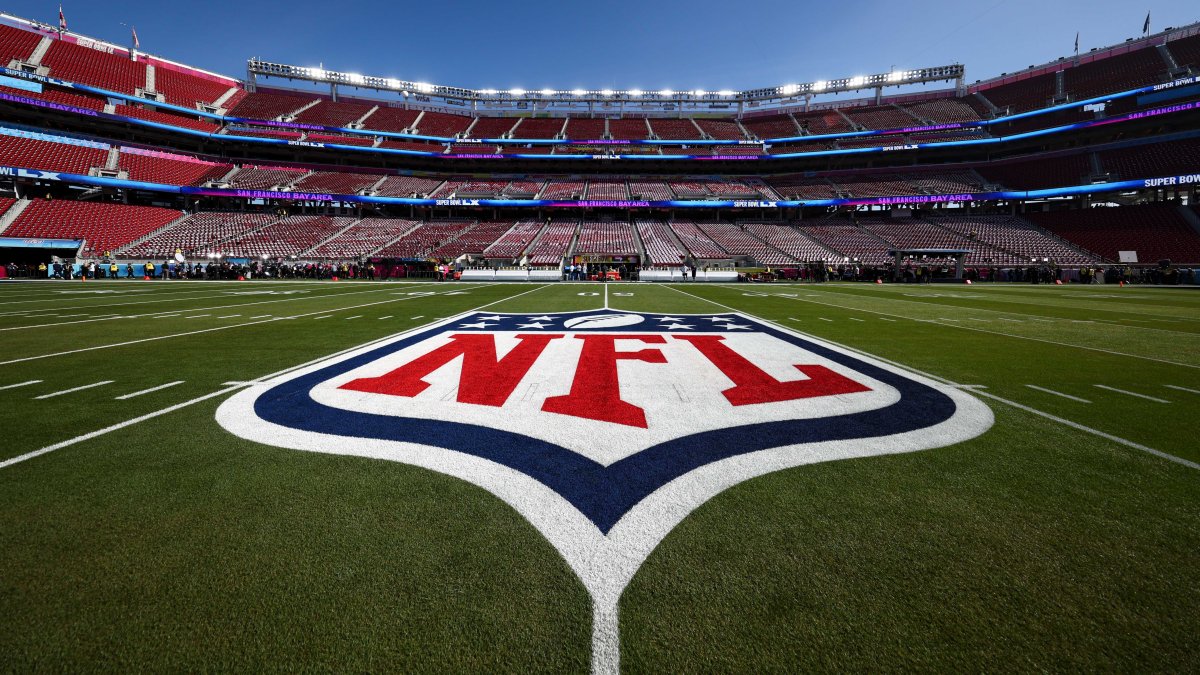
There isn’t too much to differentiate fields across the NFL. Aside from endzone paint, midfield logos and stadium designs, fields hardly differ since each one is 120 yards in length and 53.3 yards in width.
The one key element that can change from stadium to stadium is the playing surface. There is no set rule for real grass versus turf, so it is up to each stadium to decide. While no NFL team has ventured into the territory of Boise State, Eastern Washington or SUNY Morrisville with colorful turf, there are still key distinctions between playing surfaces across the league, including the actual type of grass and different turf providers.
While players often prefer playing on real grass, teams have made switches from grass to turf, and vice-versa, in recent years. It was an especially hot topic this summer, when several NFL stadiums that use turf for football installed natural grass for the FIFA World Cup.
So, which one is used more in the NFL? Here is a breakdown of the playing surface that each NFL team has at their home venue:
How many NFL stadiums have real grass?
Sixteen NFL stadiums have real grass. A majority of them have Bermuda grass, while others have Kentucky bluegrass or a combination of grasses.
How many NFL stadiums have artificial turf?
Sixteen NFL teams play home games on artificial turf across 14 stadiums. The Giants and Jets share a turf field at MetLife Stadium, while the Rams and Chargers share one at SoFi Stadium.
FieldTurf is the most popular turf distributor across the NFL.
Turf toe is an injury to the big toe joint, which carries most of the body’s weight, and can sideline a football player for months.
Which NFL stadiums have turf and which ones have real grass?
Here is a full breakdown of the playing surface for each NFL stadium:
Arizona Cardinals: State Farm Stadium, grass
Atlanta Falcons: Mercedes-Benz Stadium, turf
Baltimore Ravens: M&T Bank Stadium, grass
Buffalo Bills: Highmark Stadium, grass
Carolina Panthers: Bank of America Stadium, turf
Chicago Bears: Soldier Field, grass
Cincinnati Bengals: Paycor Stadium, turf
Cleveland Browns: Huntington Bank Field, grass
Dallas Cowboys: AT&T Stadium, turf
Denver Broncos: Empower Field at Mile High, grass
Detroit Lions: Ford Field, turf
Green Bay Packers: Lambeau Field, grass
Houston Texans: Reliant Stadium, turf
Indianapolis Colts: Lucas Oil Stadium, turf
Jacksonville Jaguars: EverBank Stadium, grass
Kansas City Chiefs: Arrowhead Stadium, grass
Las Vegas Raiders: Allegiant Stadium, grass
Los Angeles Chargers: SoFi Stadium, turf
Los Angeles Rams: SoFi Stadium, turf
Miami Dolphins: Hard Rock Stadium, grass
Minnesota Vikings: U.S. Bank Stadium, turf
New England Patriots: Gillette Stadium, turf
New Orleans Saints: Caesars Superdome, turf
New York Giants: MetLife Stadium, turf
New York Jets: MetLife Stadium, turf
Philadelphia Eagles: Lincoln Financial Field, grass
Pittsburgh Steelers: Acrisure Stadium, grass
San Francisco 49ers: Levi’s Stadium, grass
Seattle Seahawks: Lumen Field, turf
Tampa Bay Buccaneers: Raymond James Stadium, grass
Tennessee Titans: Nissan Stadium, turf
Washington Commanders: Northwest Stadium, grass
SoFi Stadium VP Juan Carrero and Clark Construction executive Rick Solomon broke down the months-long transformation that turned the Inglewood venue into a FIFA World Cup pitch, including natural grass grown 1,600 miles away in Washington and a playing field elevated higher than any NFL game ever played there.
Which NFL stadiums had to install grass for the World Cup?
Eleven U.S. cities with NFL teams hosted 2026 World Cup games: Atlanta (Mercedes-Benz Stadium), Boston (Gillette Stadium), Dallas (AT&T Stadium), Houston (NRG Stadium), Kansas City (GEHA Field at Arrowhead Stadium), Los Angeles (SoFi Stadium), Miami (Hard Rock Stadium), New York New Jersey (MetLife Stadium), Philadelphia (Lincoln Financial Field), San Francisco Bay Area (Levi’s Stadium) and Seattle (Lumen Field).
Among those, Atlanta, Boston, Dallas, Houston, Los Angeles, New York New Jersey and Seattle installed grass for the World Cup but will feature turf for the NFL season.
Kansas City, Miami, Philadelphia and San Francisco Bay Area will continue using grass fields this upcoming football season.