
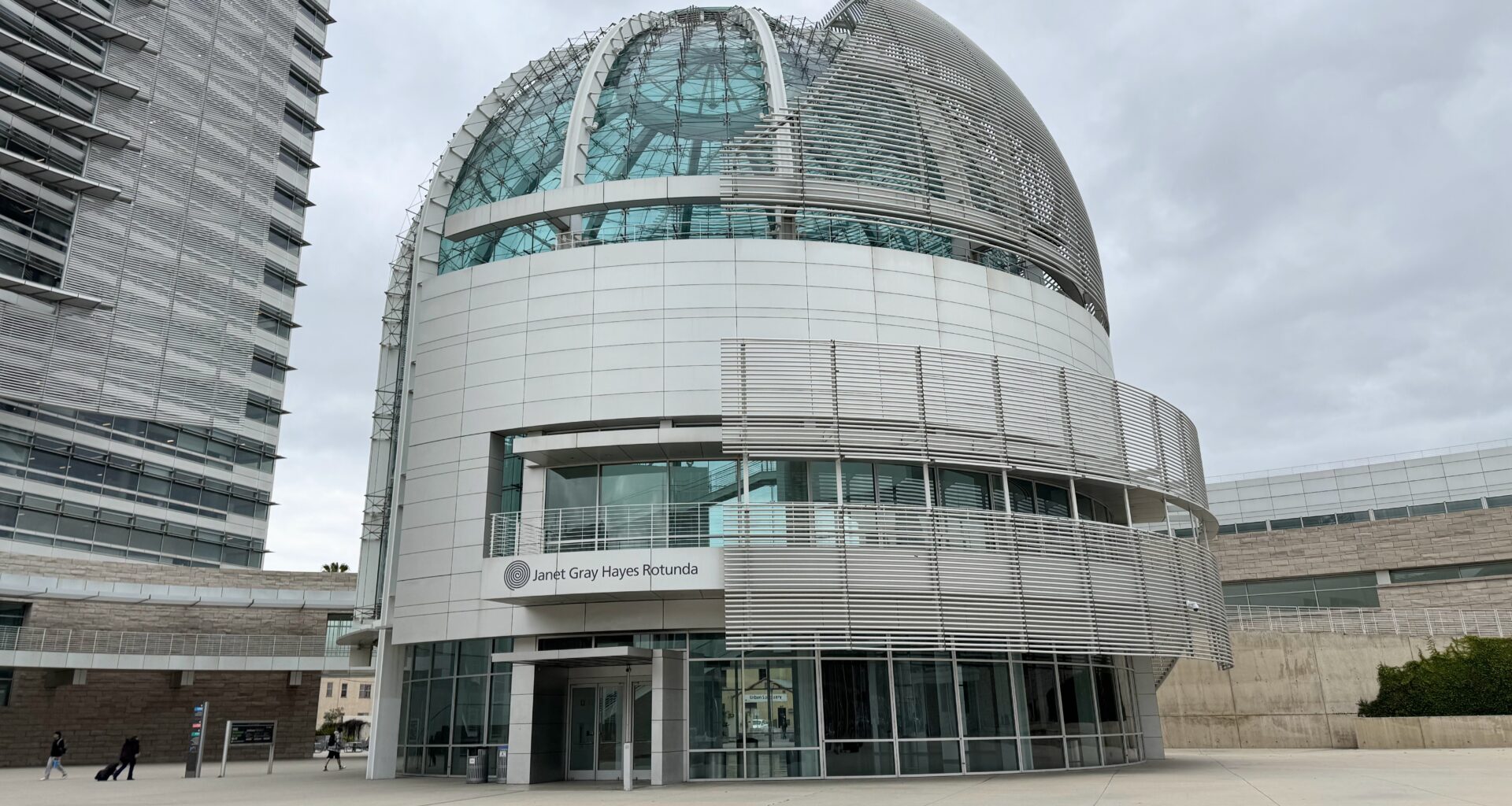
On Tuesday, the San Jose City Council will consider what may be the most consequential land-use proposal in the city’s history.
The debate is not about housing versus neighborhoods. It is about how growth should occur and whether residents should have a voice in decisions that directly affect their communities.
The Planning Commission voted 9-2 to move the proposal forward. One of the dissenting commissioners actually wanted even greater density. The proposal now heads to the City Council, where the final decision will be made next week.
San Jose already has an ambitious General Plan. Having served on the General Plan Task Force three times during the past two decades, I have witnessed the public process accommodating future growth. The General Plan allows for approximately 400,000 additional residents and directs that growth toward areas with existing infrastructure, transit and employment centers where walking, biking and public transportation are practical options.
The California Legislature has passed numerous laws intended to accelerate housing production, and their impact has not been felt yet due to interest rates. These laws reduce local review, eliminate neighborhood input and diminish the authority of local government. Additional legislation continues to move through Sacramento that would further reduce General Plans and local decision-making.
However, the proposal being considered by San Jose is not required by state law. It is a discretionary local decision. San Jose is one of a few cities in the country considering such intensity for established single-family neighborhoods.
Under the proposal, a single-family home could be demolished and replaced with as many as 10, 12, 14 or even 16 housing units, up to three stories in height, with no parking requirements and zero public hearings. Residents who have lived next door for decades would have no formal opportunity to provide feedback.
The question before San Jose is not whether to build housing. The question is whether growth should occur through collaboration with neighborhoods or whether communities should simply be expected to absorb dramatic change without input.
There is also a fiscal consideration. San Jose already has one of the most challenging jobs-to-housing imbalances, and housing development not accompanied by sufficient employment growth will further strain city finances.
New residents increase demand for municipal services, while residential development typically generates less tax revenue than commercial and employment-generating uses. Maintaining a healthy jobs-to-housing ratio is critical to both quality of life and the city’s long-term fiscal sustainability.
Residents should carefully consider the impacts to tree canopy, neighborhood ambiance, commute traffic and parking.
Is it reasonable to compete for increasingly scarce street parking while garages are no longer required?
Perhaps most importantly, this decision is largely irreversible. Under current state law, once zoning capacity is increased, cities do not have the ability to reduce it in the future.
If the policy creates unintended consequences, future councils may find it impossible to restore previous zoning.
That reality makes public awareness essential.
A proposal of this magnitude deserves broad notification. Every resident should have an opportunity to understand what is being considered and how it would impact their neighborhood. A citywide post card mailing or inclusion with annual utility notices provides transparency. Relying on the internet is not sufficient for a decision that would reshape neighborhoods throughout San Jose for generations.
Reasonable people can disagree about the proposal itself. What should not be controversial is ensuring residents are informed and have an opportunity to participate before a decision of this scale is made.
Before the City Council casts its vote on Tuesday, the people of San Jose deserve to know what is at stake and to have their voices heard.
Pierluigi Oliverio is a San Jose Planning Commissioner. He formerly represented District 6 — which includes Willow Glen, Fruitdale and West San Carlos — on the San Jose City Council.