
One of at least three mental health diversion reform bills inspired by the criminal case of former Kern County Supervisor Zack Scrivner has died in the state Legislature.
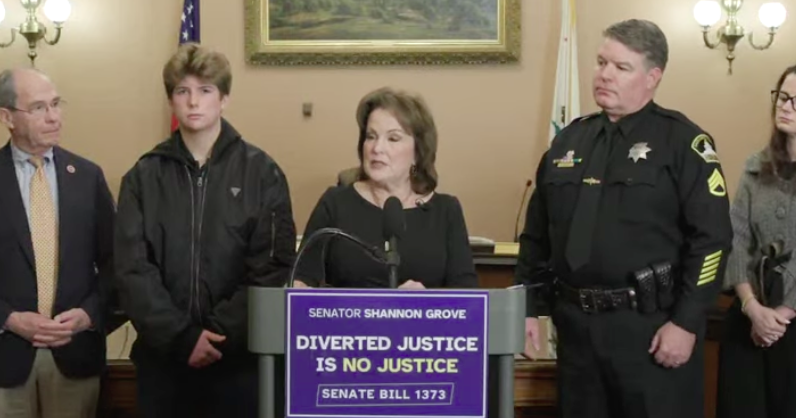
Assembly Bill 1373, introduced by state Sen. Shannon Grove, R-Bakersfield, failed Thursday to advance out of the Assembly Appropriations Committee. It would have imposed new limitations on granting criminal defendants pretrial diversions that could result in charges against them being dropped.
Grove promoted the legislation during a Feb. 24 news conference that included brief comments by one of Scrivner’s sons, who said he was speaking up to protect present and future victims.
Scrivner was granted a mental health diversion in December after he was accused of inappropriately touching one of his children in April 2024 while high on drugs at his Tehachapi home.
Grove said in a news release she was profoundly disappointed that the committee killed the bill “rather than strengthen protections for Californians who are being killed and victimized by violent repeat offenders. Victims deserve better.”
She noted the legislation would have allowed an evidentiary hearing and given judges information necessary to deny diversion when a defendant is trying to abuse the program.
“For far too long, California’s mental health diversion program has been used as a ‘get-out-of-jail-free’ card by violent offenders,” Grove stated in the release.
A separate piece of legislation to address mental health diversions — Assembly Bill 2273, called the SCRIVNER Act — was introduced this session by Assemblywoman Dr. Jasmeet Bains, D-Delano. It remains pending in the Legislature after approval Thursday by the Senate Appropriations Committee.
The bill would remove a requirement that prosecutors show intent when charging a suspect with child sexual abuse if the suspect willingly took a mind-altering substance. It would require that diversion be based not only on charges filed but the underlying facts of a case.
Related legislation Bains introduced this year, Assembly Bill 2275, would bar courts from granting diversions based only on a diagnosis. It would also allow a judge to order a defendant to relinquish firearms and pay financial restitution to victims. The legislation remains in the committee process.