
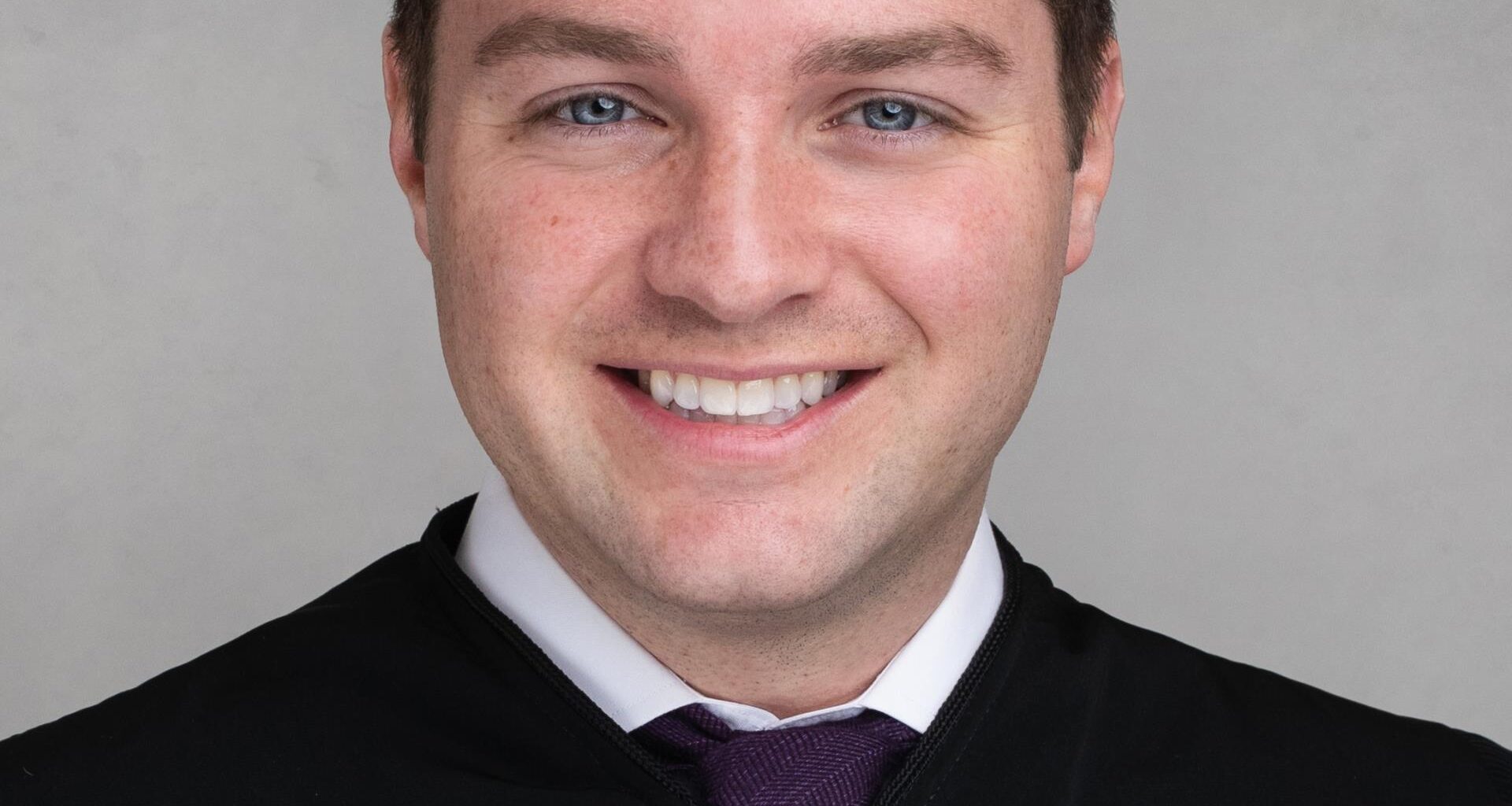
Although the Holly Hotel case was not scheduled for a retrial until December, things have taken another turn.
Alexander Reuter, attorney for Jeremiah Roberts, who is being sued by the owners of the Holly Hotel, has filed a motion to have Oakland County Circuit Court Judge Jacob Cunningham removed from the case.
Reuter is claiming Cunningham showed bias and a lack of impartiality at a July 20 settlement hearing in the case.
A hearing is scheduled for 1:30 p.m. on Wednesday.
“Cunningham made several statements that seemed to indicate a bias, demonstrated the appearance of impropriety as to a lack of impartiality, and specifically imposed coercive efforts that included telling defendant he was unreasonable and being an obstructionist because he was not agreeing to settle at that time with a term suggested by the judge,” Reuter wrote in his motion.
Holly Hotel owners Krissy and George Kutlenios sued Roberts in August 2023 after negotiations failed to allow crews repairing the hotel access to Roberts’ property following a June 2022 fire at the hotel.
According to Kutlenios’ attorney Julie Fershtman, in the three years the case has been pending there have been three mediators and Cunningham has presided over at least 27 motions, three status conferences, two-and-a-half days of a bench trial and one settlement conference.
The first trial ended when both sides said a settlement agreement was in place, but ultimately could not work out the final language in the agreement.
On July 20, at the most recent hearing, Cunningham gave both sides two options – agree on a date for a retrial or come to an agreement that afternoon. He said his first available date for a retrial was in December.
Motivated by the prospect of another five month delay in the case, both attorneys met with their clients privately and at one point all were in the courtroom together trying to finalize terms of a settlement.
But Reuter said the two sides could not reach an agreement due to the availability of an engineering report on shifting a wall within the hotel.
 Reuter has been Roberts’ attorney since the start of the case. He is now seeking Cunningham’s recusal due to bias and impartiality.
Photo courtesy Myers and Myers
“The wall is connected to the foundation, so when they move the wall back, the foundation has to be moved. They have an engineering report and they couldn’t get it today,” Reuter told the judge. “Once they get it, we’ll take a look at it, and hopefully, you’ll never see us again. But as of right now, we don’t have a settlement, and we can’t get that report today.”
Cunningham voiced his frustration at Reuter for not putting contingency language in the settlement to accommodate not having immediate access to the report and ending the case.
That conversation is the basis for Reuter asking for Cunningham’s removal.
“Judge Cunningham made numerous references to his belief that defendant, and/or his counsel, were unreasonable because defendant was not willing to enter into a settlement containing contingency language suggested by the judge.” Reuter said in his motion.
He later added, “The judge effectively told defendant that if he did not agree to accept the judge’s suggested contingency term then defendant just doesn’t want to be reasonable” and that Cunningham “expressed his belief that defendant was being an obstructionist in refusing to settle under the terms suggested.”
Reuter also claimed Cunningham has a personal bias against Roberts for suggesting he was not being honest in his reasons for not wanting to settle in court that afternoon.
“There’s something going on in the community or between you folks ….but something tells me if you folks (the Kutlenious’) are willing to just do that (move the wall) and there’s still not an agreement to that, then there’s something really fishy going on behind the scenes,” Cunningham told Reuter during the discussion.
“These comments, and others, undeniably show a lack of impartiality or bias against the defendant,” Reuter wrote. “It was clear that the judge’s suggestions regarding terminology for settlement were not actually suggestions, but rather coercive statements with teeth if not accepted by the defendant.”
Rueter is requesting Cunningham be disqualified and that the matter be reassigned or transferred to a different judge.
In her response to Reuter’s motion, Fershtman did not see evidence of bias or impartiality from the judge.
“(The) defendant has not come close to setting forth the specific, requisite facts to meet the demanding standard for judicial disqualification,” Fershtman wrote. “Judge Cunningham has shown no actual prejudice or bias.”
Roberts said in an affidavit accompanying the motion, that he felt “coerced” by Cunningham to accept the settlement agreement and his actions would also affect the case going forward.
“As a result of what the judge said, I felt that I would be unfairly judged at (a bench) trial because I was not willing to settle in accordance with the suggestions of the judge,” Roberts said. “I ultimately felt that I did not have a choice when it came to settlement terms, and if it was not for my lawyer, I would have been forced to accept terms that I did not agree to.”