
The work of political consultants and lobbyists is drawing increasing scrutiny from the San Diego County Board of Supervisors.
Supervisors passed a pair of measures on Wednesday aimed at both curbing lobbying by former county officials and bringing into the public eye the work of political consultants hired with county tax dollars.
In recent months, the county has hired a group of consultants to devise plans for how to bring in more revenue to county coffers in the years ahead.
Their work includes polling, drafting future possible ballot measures to raise taxes and running a public relations campaign about the county’s budget needs, according to the $320,000 contract between the county and Ironwood Public Affairs, a firm ran by a former county staffer turned lobbyist named Victor Aviña.
Under a plan backed by supervisors on Wednesday, Aviña’s firm will have to provide the county a report on its work by the end of September.
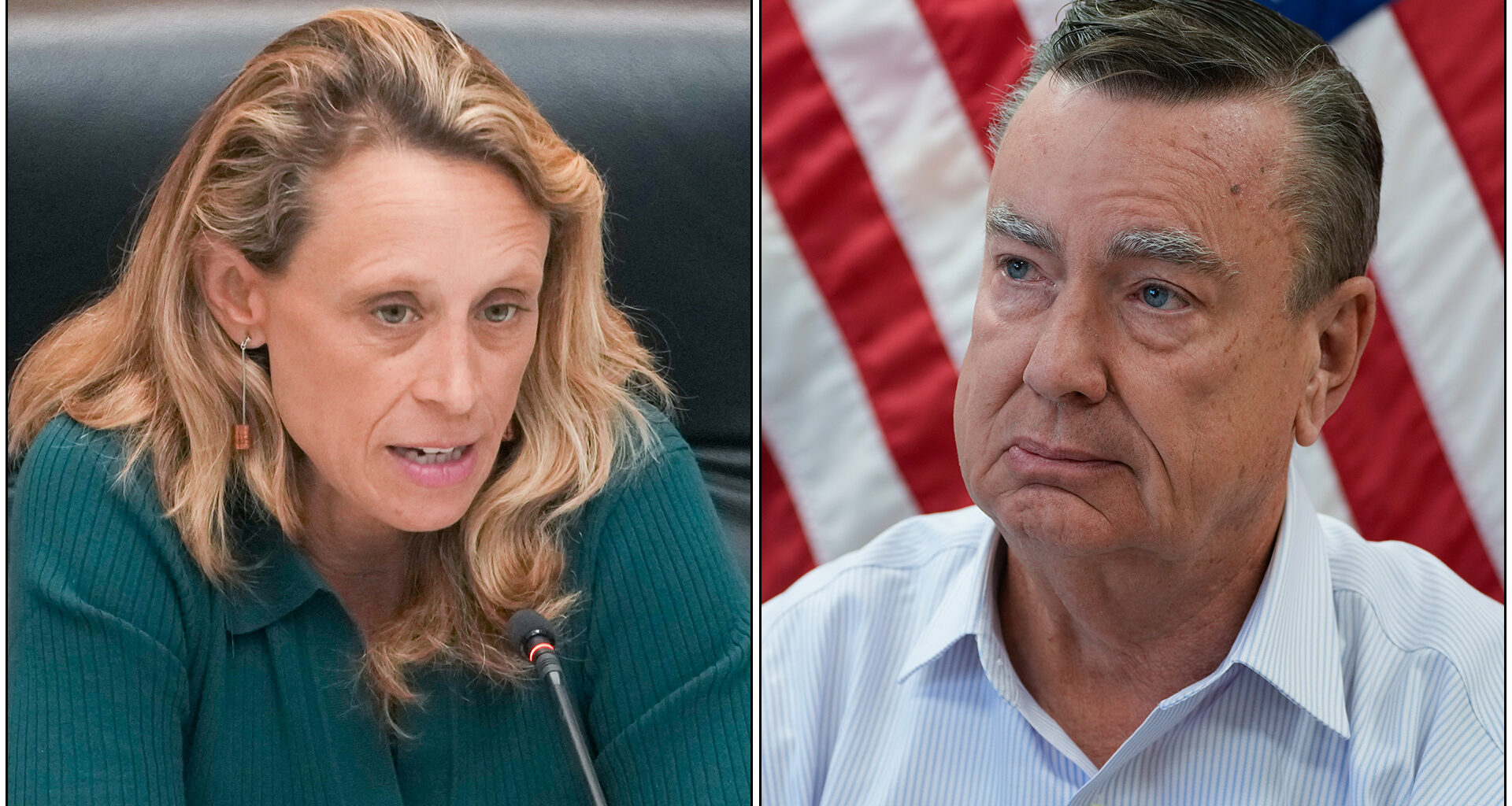
“I just think we need to be absolutely transparent,” said Republican Supervisor Joel Anderson, who introduced the plan to order the consultants to draft a report.
Meanwhile, an ethics-reform push by the board’s Democratic chair was also unanimously passed on Wednesday.
A measure from Supervisor Terra Lawson-Remer bans former officials from lobbying county government for two years after they leave public service. It also bars county officials from using insider information to make bets about county government activities on prediction-market platforms such as Kalshi and Polymarket.
Lawson-Remer said her and her colleagues have been working to “really make county government work better.”
“This is one more item in that vein, that really tries to ensure that government is accountable to voters,” the supervisor said of the new reforms.
The new requirements for lobbyists follow reporting by The San Diego Union-Tribune on the county’s unusually lax rules governing former staffers’ ability to lobby their prior employer on behalf of private clients.
During Wednesday’s meeting, Lawson-Remer did push back on Anderson’s attempt to draw the county’s consultants out into the public eye. Supervisors ultimately passed a watered-down version of the plan he had initially proposed.
Originally, Anderson wanted the consultants to make a public presentation about their activities during a Board of Supervisors meeting next month.
But the upcoming midterm election drew concern about that idea from Lawson-Remer and county attorneys.
That’s because part of the consultants’ efforts have involved polling residents on their support for raising the county’s sales tax rate.
This fall, there is a separate countywide half-cent sales tax surcharge on the ballot, put there by a coalition of county labor unions and nonprofits.
The measure, if passed, is expected to bring in between $400 and $450 million in new revenue for the county every year, with funds earmarked for county social services, public safety agencies and projects to mitigate the sewage crisis in the Tijuana River Valley.
According to polling by the consultants the county hired, a potential sales tax hike got a cold reception from county residents back in February. It found two-thirds opposed such a measure, with only 8% strongly in support.
While the regressive tax hike had a poor showing in the poll, the idea of taxing wealthier people and more valuable real estate polled far better.
According to the poll, 60% of respondents favored taxing the sale of real estate worth more than $5 million. A similar share — 56% — said they supported imposing a payroll tax on people who earn at least $350,000 per year.
The poll results were first reported by Voice of San Diego.
State law bars both kinds of taxes. Although the county explored pushing to change that, earlier this year it bailed on plans to hire lobbyists to push lawmakers to open up those revenue options.
With a sales tax vote already on the horizon, county attorneys cautioned on Wednesday that a presentation from the consultants could get supervisors into ethics trouble.
A presentation about how the measure polled doesn’t violate the law — but supervisors are prohibited under state ethics rules from advocating for or opposing a ballot measure during a public meeting.
In response, Lawson-Remer worried that supervisors could get into an ethical gray area while discussing the consultants’ work on the dais.
“I think there’s too many legal risks,” Lawson-Remer said of a public presentation.
Instead, supervisors agreed to let residents submit questions for the consultants potentially to address in their report.
Republican Supervisor Jim Desmond cast the lone vote against hearing from the consultants, arguing that their report to the county should take place in public.
“We should err on the side of transparency and rip the Band-Aid off,” Desmond said. “This just looks like we’re obscuring something.”