
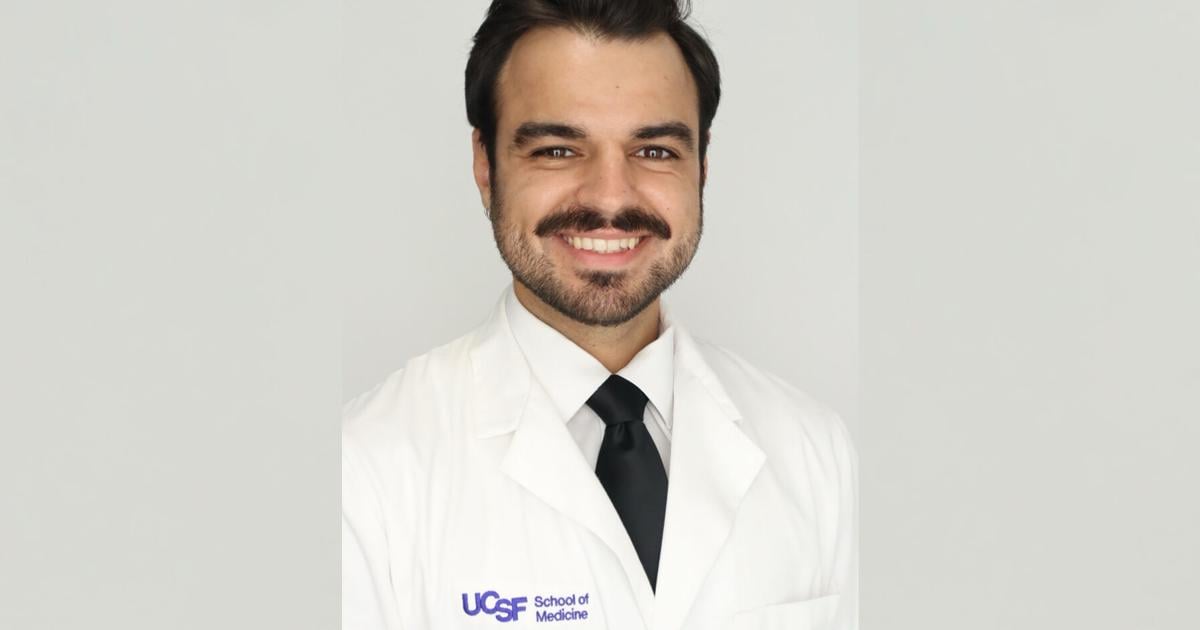
Jordan Roiland, a graduate student in the UC Berkeley-UCSF Joint Medical Program, was appointed as the 2027-28 student regent by the UC Board of Regents on July 14.
Roiland, who uses he/they pronouns, will serve as the student regent-designate from July 1, 2026, to June 30, 2027. They graduated from UC Berkeley with a Master of Science in health and medical sciences in 2025.
As student regent-designate, Roiland will serve as a nonvoting board member. His full one-year voting term as student regent will begin July 1, 2027. The student regent role has existed for 52 years.
Despite not yet having voting privileges,Roiland intends to propose amendments, develop actionable proposals with other regents and elevate student voices in the student regent-designate role.
Roiland said they believe some of the largest issues facing the UC system include federal pressures and scrutiny of DEI in admissions and education, cost of living and students’ rights to speech and safety. He plans to hold office hours and discuss these concerns with students in order to share their perspectives with the regents.
“I hope to meaningfully engage with students and student groups regularly, with a focus on making sure I meet with underrepresented students and elevate their stories and requests to the regents,” Roiland said in an email.
Roiland’s experience with advocacy began with a high school internship at the Huntington Breast Cancer Action Coalition and the Mount Sinai Health System, where they focused on how personal care products can contain xenoestrogens — foreign chemical compounds that potentially promote hormone-related cancers.
As a master’s student at UC Berkeley, they served on the Vice Chancellor’s Student Advisory Committee, where they advocated for students’ free speech rights.
“I have always been comfortable challenging norms and also voicing my and my peers’ needs,” Roiland said in the email.
Roiland’s appointment is unique, as he will be the first M.D. student to serve as student regent. Roiland said they believe their background will enable them to bring a different perspective to the position, as well as an understanding of the UC system’s medical systems — which are both an area of economic interest and heightened federal scrutiny.
Roiland noted that although students can voice concerns during public comment at Board of Regents meetings, many conversations occur behind closed doors.
“This position is important because it serves as an additional avenue for student perspectives to be heard,” Roiland said in the email. “Though I am a medical student, I am absolutely committed to voicing undergrads’ concerns as they constitute the majority of students.”
Debate surrounding a second student regent seat has grown over the past year, with many undergraduate UC students advocating for increased communication with the regents.UC system enrollment has more than doubled since the first seat was added in 1974, and student regents are often graduate students, creating what some describe as a lack of representation for undergraduates.
“Undergrads on a ‘traditional’ timeline do not have the same amount of time to develop as extensive experience in this field as someone like me, who has completed undergrad, worked for 2 years, and completed 2 years of medical school,” Roiland said in the email. “This presents challenges for equity in ensuring undergraduates are represented as student-regents, and it is something I am committed to addressing.”
This article was authored by Bruce Piekarsa, a participant in The Daily Californian’s High School Journalism Intensive.