
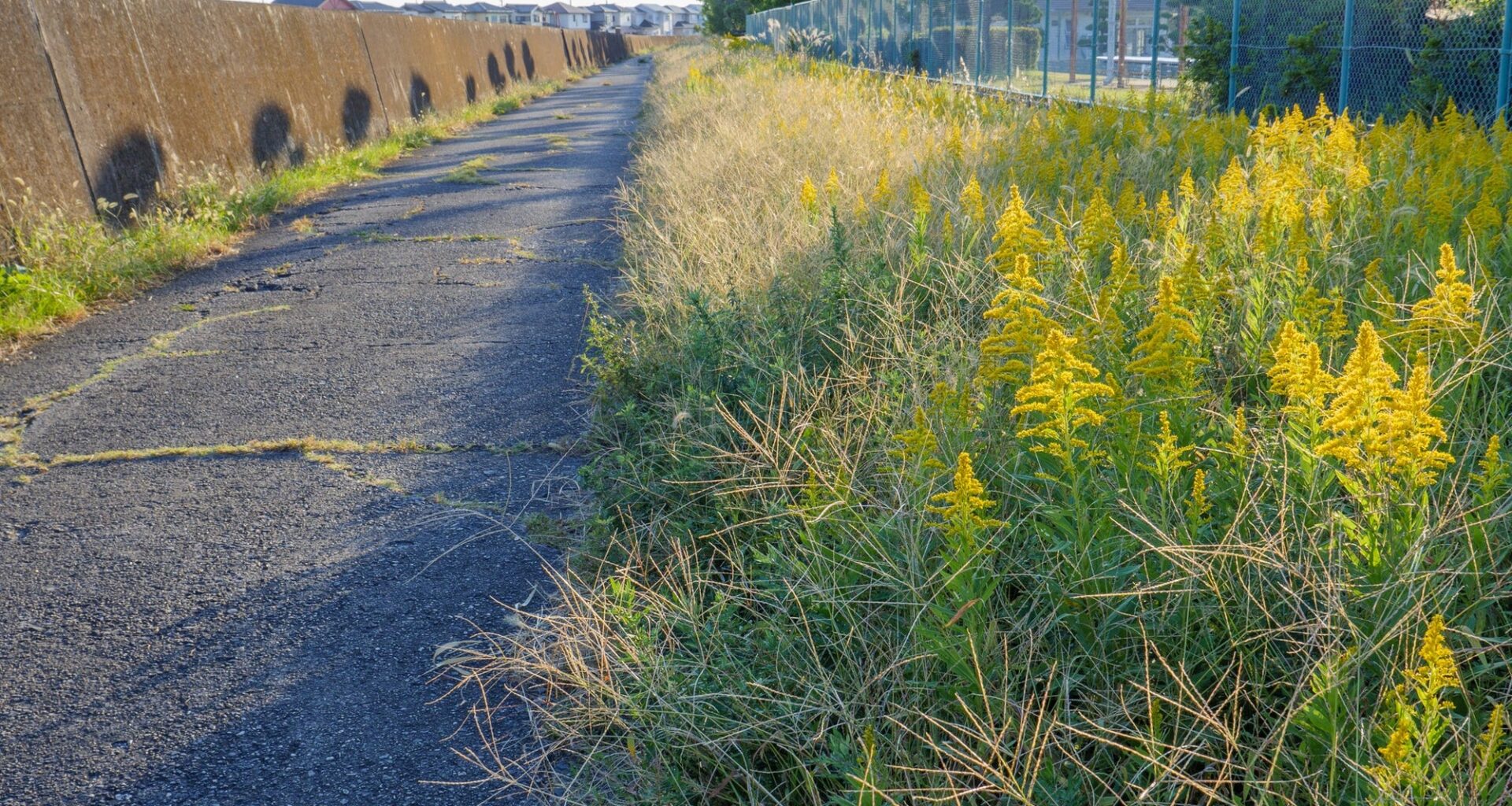
Oakland County will start pulling out invasive plants from roadsides. They’re teaming up with groups across the area. The Road Commission plans to treat spots next to major roads where knotweed and Phragmites have taken over.
This work stops the spread of plants that don’t belong here. It also keeps roads safe and prevents damage to buildings, pipes, and pavement. County leaders say it will guard property prices and help native plants survive.
The county has joined forces with the Oakland County Cooperative Invasive Species Management Area (CISMA). CISMA is a group of 44 townships, park services, nonprofits, and other partners which plans removal work across many towns.
“Phragmites grows in wet areas and can reach heights of 15 feet, leading to safety and environmental challenges,” said Patrick Canniff, Oakland County Parks Natural Resources Outreach and CISMA Coordinator, according to Click On Detroit. “It forms dense stands blocking views at intersections, impeding water access, disrupting drainage, damaging infrastructure, crowding out natural habitat and creating the potential for destructive fires if ignited.”
Knotweed brings similar problems. Patrick Canniff explained that this plant can wreck buildings and roads because it spreads fast once you cut it.
Crews will follow Michigan Department of Environment, Great Lakes and Energy rules when treating these areas. Stay out of sprayed zones until everything dries.
Don’t plant or dump invasive species near roads. The Road Commission wants you to tell them if you see invasive plants blocking drivers’ views or making roads unsafe.
Work runs through October. Crews will hit 18 townships and 27 cities and villages.
Last year, crews cleared about 172 acres of Phragmites and knotweed. You can learn more at oaklandinvasivespecies.org.