
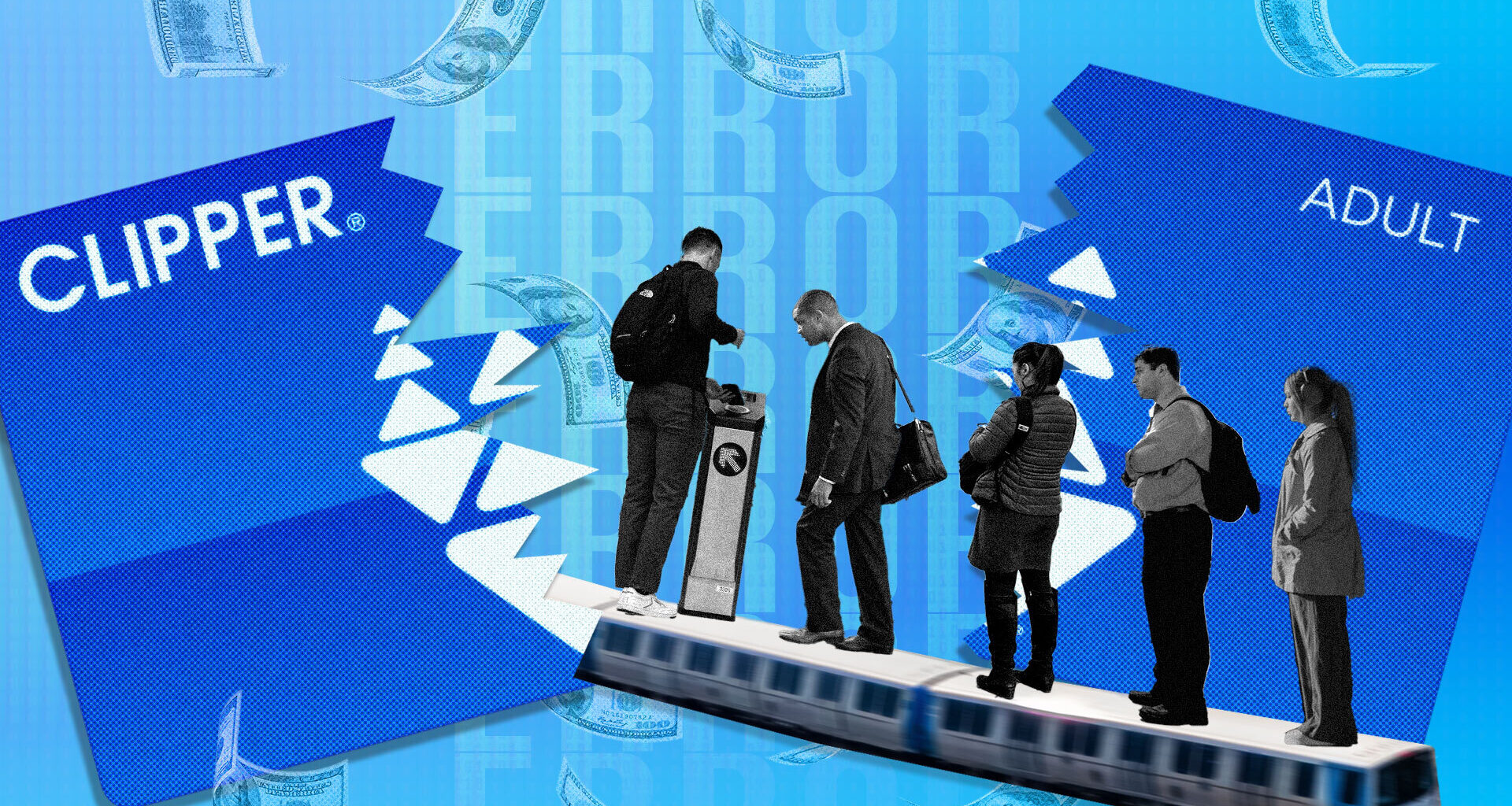
The day before Bay Area transit agencies rolled out Clipper 2.0 — a long-anticipated upgrade to the region’s electronic train, bus and ferry tickets — a high-level staffer overseeing the project raised an important red flag.
Known as “next generation Clipper” and used by 22 Bay Area operators, the software promised to make riding transit easier with bank card tap-to-pay, rider discounts and other features. It had taken Cubic Transportation Systems, the contractor in charge of the update, seven years — nearly three more than initially promised — to deliver the new system.
But on the eve of the launch, Jason Weinstein, director of Clipper at the Metropolitan Transportation Commission (MTC), which oversees Cubic’s contract, issued a formal letter, saying the MTC did not have confidence that the process for collecting fares and distributing them to the appropriate operator — a main function of the software — was happening appropriately. The problem, according to the MTC, was that it was not yet fully automated and relied too heavily on manual oversight in a system that handles hundreds of thousands of transactions daily.
Weinstein said the commission would “hold Cubic accountable” for meeting the requirements of its contract.
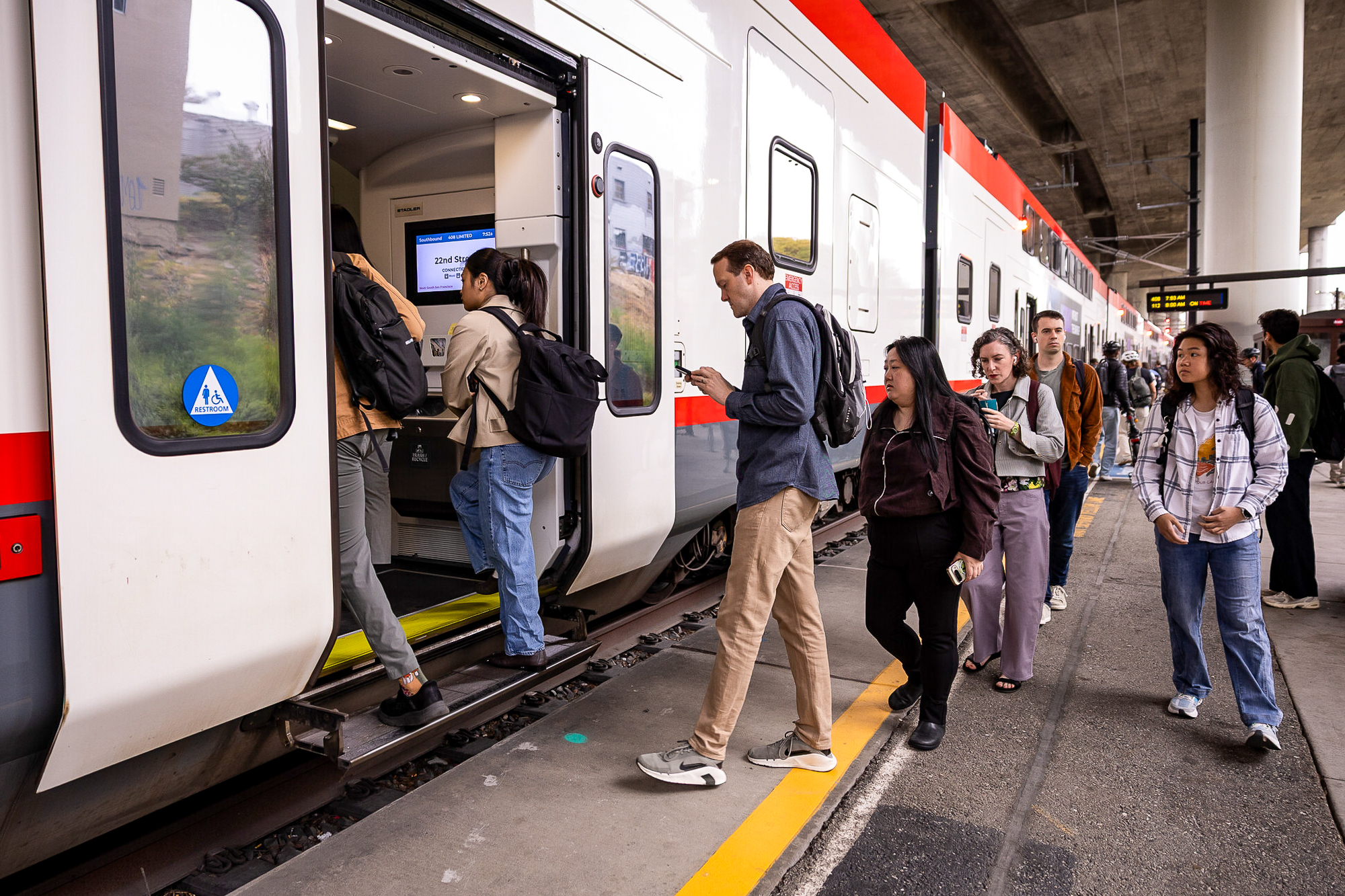 Passengers board Caltrain at the 22nd Street Caltrain station on July 29, 2026.
The incident revealed a fissure that had been deepening over the past year. Internal communications reviewed by KQED between the MTC and Cubic staff show software bugs like these were present long before Weinstein’s warning and Clipper 2.0’s public debut.
Transit agency leaders and officials at the MTC had for months complained the company was struggling to resolve persistent errors with the software, while Cubic staffers said MTC hadn’t authorized the company to complete enough testing to ensure the system’s success.
For the MTC, there was little time to spare. Executive Director Andrew Fremier said commissioners were eager to get the upgrades installed before the Super Bowl and World Cup, when hundreds of thousands of fans were expected to descend upon the Bay Area — and take transit to get to matches. With assurances from Cubic leadership that issues would be fixed quickly, Fremier said the commission determined the potential benefit of launching the systems’ new features outweighed the known risks.
“You’re probably never going to have a perfect system,” Fremier told KQED. “ We didn’t want to be so risk-averse that we weren’t getting good products into people’s hands.”
 Andrew Fremier, executive director of the Metropolitan Transportation Commission, at the Bay Area Transit offices in San Francisco on Aug. 5, 2026.
In the days that followed, however, Weinstein’s warning proved prescient, and Clipper 2.0 began to unravel. Upon attempting to log in to their accounts, some customers were locked out by error messages; others were charged incorrect fares; ticket vending machines took some riders’ money without crediting their accounts; fare inspection devices failed; and hold times to speak to customer service staff soared up to 100 minutes.
During one outage that began on May 18 and lasted approximately 27 hours, BART riders were unable to purchase or add value to their Clipper cards at the agency’s ticket vending machines and faced delays with transactions at BART fare gates, according to a staff memo. The culprit turned out to be Cubic’s failure to pay an AT&T bill.
The botched rollout comes at a particularly inopportune time for the agencies that rely on the platform to collect fares. The largest among them — BART, Muni, Caltrain and AC Transit — are all facing existential budget crises and are seeking relief from voters through two separate tax measures in order to avoid drastic service cuts.
“The reputational damage that we are facing on an item that should have been a win at a time when we really need a win is just unacceptable,” Julie Kirschbaum, director of transportation at the San Francisco Municipal Transportation Agency (SFMTA), said at a June meeting of the Clipper Executive Board.
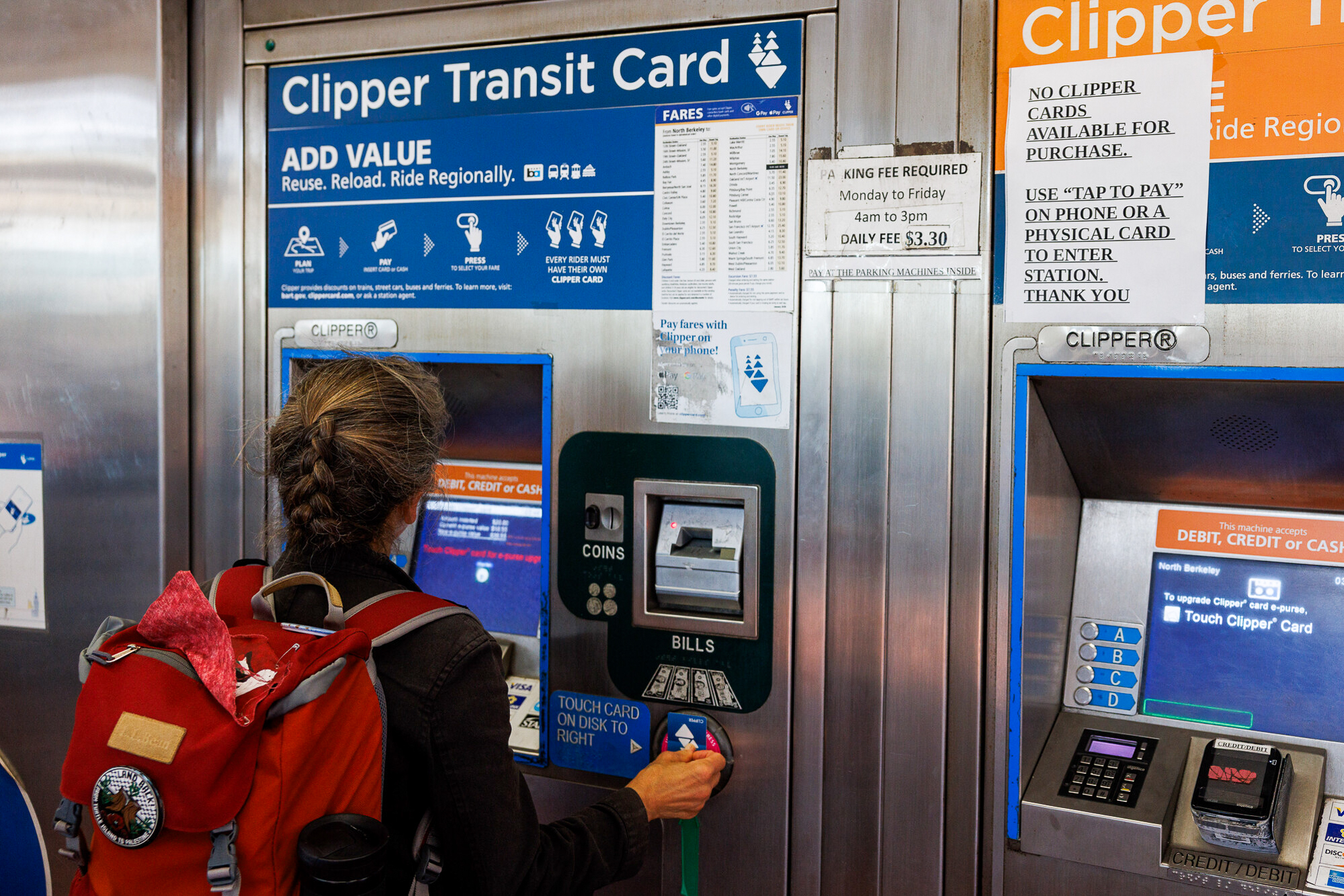 A rider refills their Clipper card at the North Berkeley BART station on July 28, 2026.
Cubic Transportation Systems, a division of the San Diego-based global technology company Cubic Corporation, declined to answer specific questions about Clipper 2.0.
In a statement, Cubic spokesperson Cory Shields described Clipper 2.0 as “one of the most complex fare payment systems in the world.”
“Integrating the distinct fare structures and operating needs of each agency creates unique challenges that require close coordination among Cubic, MTC and the region’s operators,” Shields told KQED. “Our commitment to our partners and Bay Area riders is unwavering, and we will continue to build upon this progress to deliver the reliable system riders deserve.”
The MTC initially estimated that upgrading the system’s roughly 15 million cards to Clipper 2.0 would take two to three months, but as of July 16, only about 15% of those cards have been converted to the new system.
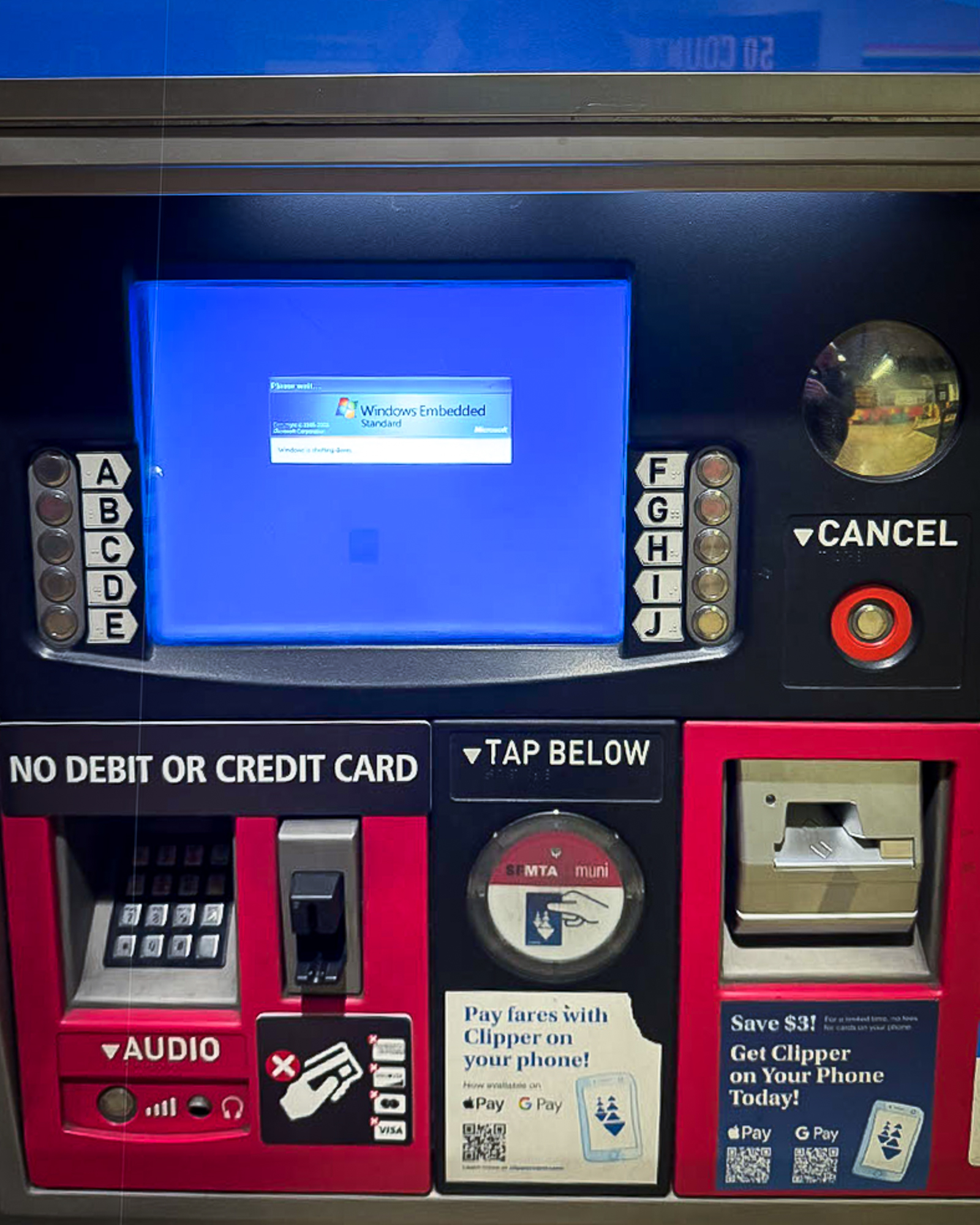 An error message is displayed on a Clipper vending machine. An error message on a Clipper vending machine. The photo was obtained via a California Public Records Act request seeking information about the rollout of Clipper 2.0.
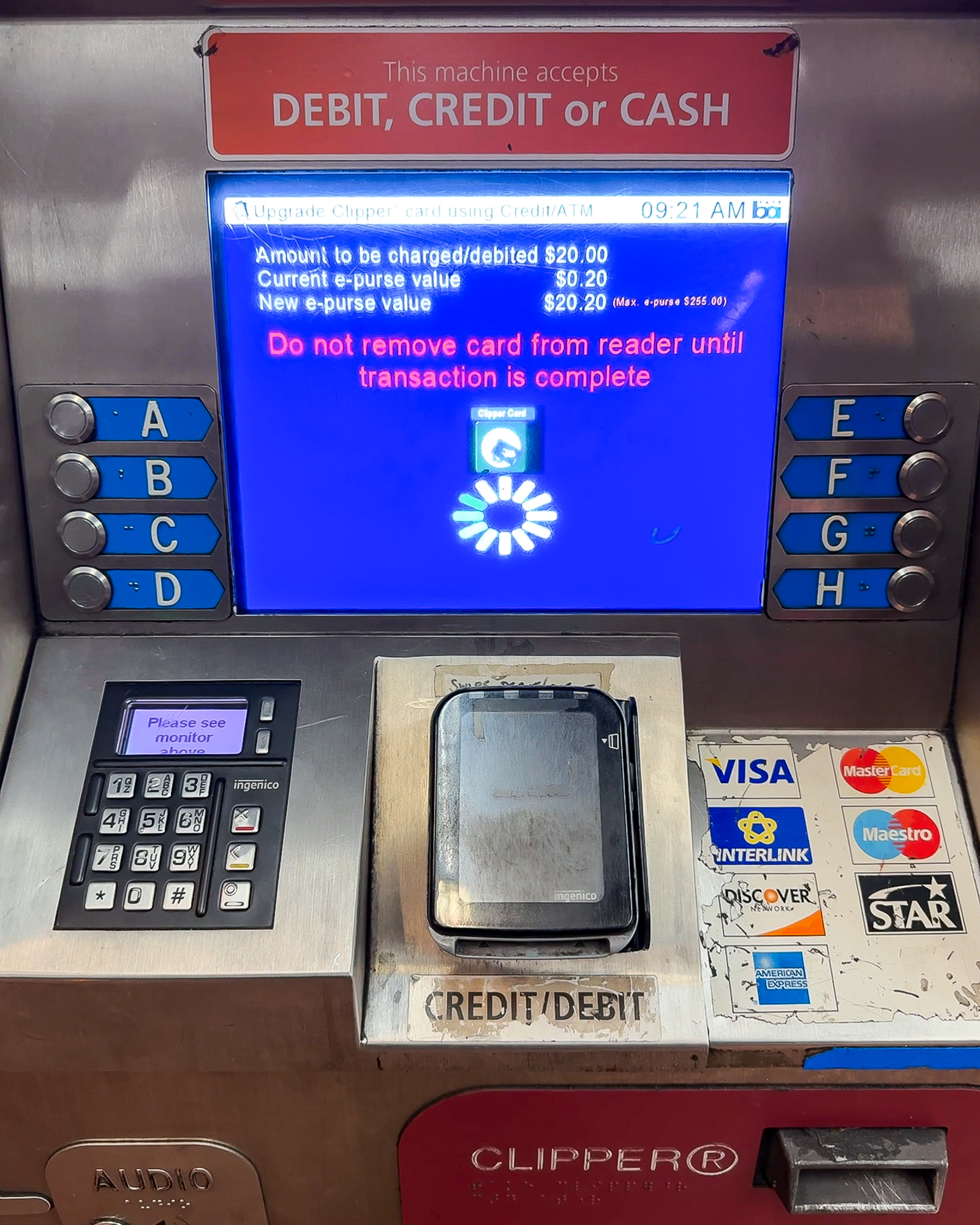 An error message on a Clipper vending machine at the 16th Street BART Station on March 11, 2026.
The glitches, delays and service outages have increased the program’s cost by millions, and estimates by multiple transit agencies indicate more than $100,000 in lost fare revenue combined, although the MTC said it is still calculating the total revenue lost.
In June, the leaders of those agencies urged the commission to pursue “all contractual remedies” against Cubic to recover lost fares.
Fremier said his first focus is ensuring Clipper 2.0 actually works.
“What we’ve asked Cubic to focus on most directly is getting the system stable to the point where we can shut down the old Clipper system and be functioning in the brand-new Clipper 2 environment,” he told KQED, “and then try to pick up the pieces about who might be responsible for what.”
Fremier said he expects those conversations to play out “over the next few months.”
Years in the making
Next generation Clipper, or Clipper 2.0, is the first update to Clipper since it launched in 2010.
The hope, Fremier said, was to offer a better product to riders that would in turn incentivize more people to take transit. Across the Bay Area’s nine counties, more than two-thirds of commuters drove to work alone in 2024, according to the MTC. Just 8% took transit on a typical workday.
But the original Clipper infrastructure wouldn’t support the suite of new features that the MTC envisioned, including family accounts, reduced or free transfers and improvements to how users add funds. The update moved Clipper from a “card-based” system to an “account-based” system, Fremier said.
 Cubic was the sole bidder for the MTC’s contract, which officials acknowledge is uniquely complex. The system is used by nearly two dozen transit operators across nine counties with a variety of accepted payment methods, internal hardware, software programs and fare structures.
“The card used to do all the work, and it could only hold a certain amount of information, and that limited our ability to offer different fare products,” Fremier said. “By moving into newer technology, it offered us a lot more flexibility.”
In 2018, MTC awarded Cubic a 10-year, $393 million contract, not including contingency funds, to develop and operate Clipper 2.0 for 10 years. That contract has since increased to $436 million to accommodate additional equipment and features. The company has held the previous contract for the original version of Clipper since 2009.
Cubic has developed and upgraded fare payment systems in other major cities, including New York City’s OMNY, Chicago’s Ventra, and Boston’s MBTA — projects that also faced many of the same issues and delays that plague Clipper 2.0.
But Cubic was the sole bidder for the MTC’s contract, which officials acknowledge is uniquely complex. The system is used by nearly two dozen transit operators across nine counties with a variety of accepted payment methods, internal hardware, software programs and fare structures.
 The Cubic Corporation logo at the Satellite 2024 conference and exhibition in Walter E. Washington Convention Center, Washington, D.C., on March 19, 2024.
Rebecca Long, a spokesperson for MTC, said that while the commission did “everything it could do from a legal and business perspective” to attract multiple bids, its priority was minimizing disruptions for customers, which meant it had to keep Clipper 1.0 running through the transition. She said, however, that decision “added complexity” to the contract.
“That would be hard for anyone but Cubic,” Long said.
Cubic also has very few competitors in the industry that are able to supply a full suite of services, according to Fremier. Still, he said commissioners thought Cubic’s previous experience running Clipper would be a “helpful benefit.”
Cubic responds
In public meetings, Cubic representatives have apologized for the rocky rollout.
“It’s completely unacceptable, and I’m deeply sorry for the experiences that you are having,” Peter Montgomery-Torrellas, the former president of Cubic Transportation Systems, told the Clipper Executive Board at a Jan. 26 meeting.
Montgomery-Torrellas left the company in June.
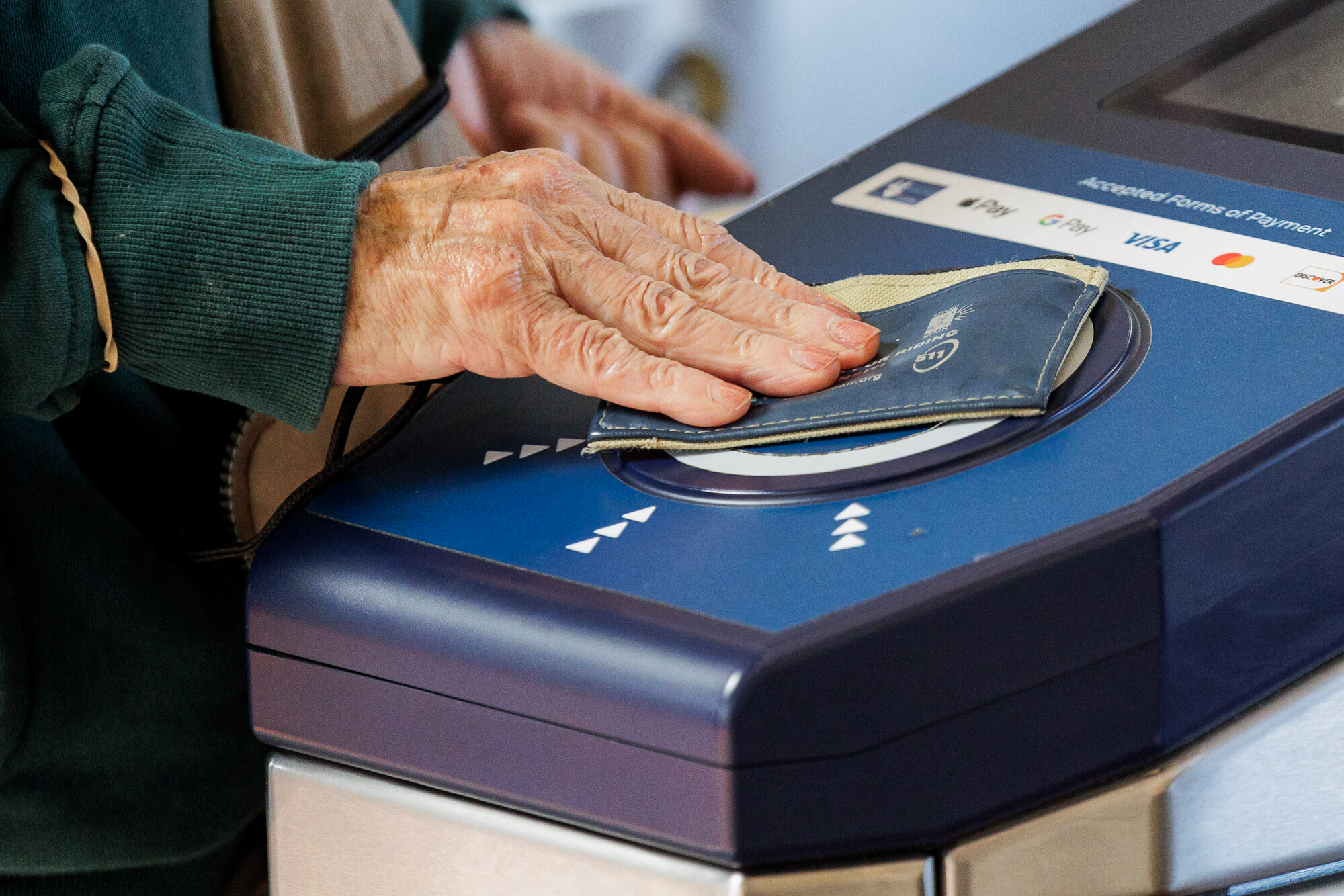 A rider scans their Clipper card at the North Berkeley BART station on July 28, 2026, in Berkeley.
In private communications, however, company representatives blamed some of Clipper 2.0’s issues on the MTC for not authorizing sufficient field testing prior to the launch.
Nine months before the rollout of Clipper 2.0, Cubic requested MTC increase the number of participants testing the new system from approximately 60 to at least 1,000.
“To solidify the potential launch date for the C2 program, it is crucial to maximize the use of the production system,” Dennis Dewan, contracts manager at Cubic, wrote in an email to Weinstein on March 14, 2025.
Dewan said since the start of that year, fewer than 1,000 rides had been processed across only nine agencies, involving fewer than 100 unique accounts.
“Comprehensive validation of the system necessitates many more taps across a larger range of use cases,” Dewan wrote, referring to when riders “tap” their Clipper card on a card reader.
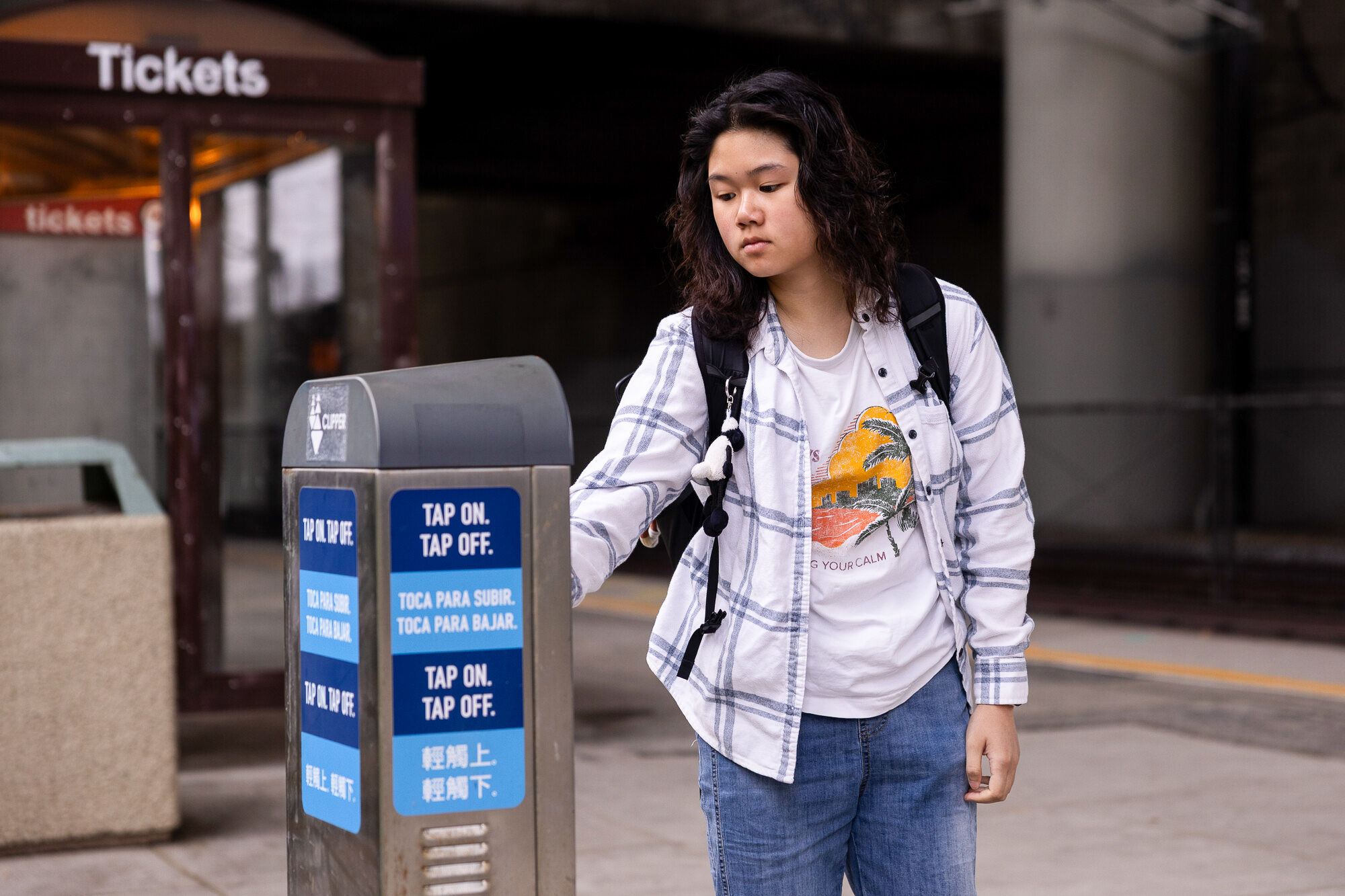 A Caltrain rider scans their phone on a Clipper machine at the 22nd Street Caltrain station in San Francisco on July 29, 2026.
But despite Cubic’s assertions that the system was ready for significantly larger pilot activity, the MTC declined to expand the number of testers, demanding Cubic resolve a known list of problems first.
“MTC does not plan to open the current field testing or to start [the] pilot with the public until an agreeable list of items is complete,” Weinstein told Dewan less than a week later.
Those items included successfully demonstrating that customer data — such as account credentials, payment methods and travel history — could be migrated from the old system to the new one.
In mid-April, 2025, testing by Cubic still showed “significant failure rates,” with only 49% of tests passing and more than 500 open software bugs, according to a formal letter to Cubic signed by Fremier. The back-and-forth about whether to expand the pilot continued through the spring and summer.
By October, the first time a possible launch date was discussed, field testing was 30% complete, and Google Wallet — a digital wallet where people could store their Clipper card on their smartphone — remained blocked, Fremier wrote.
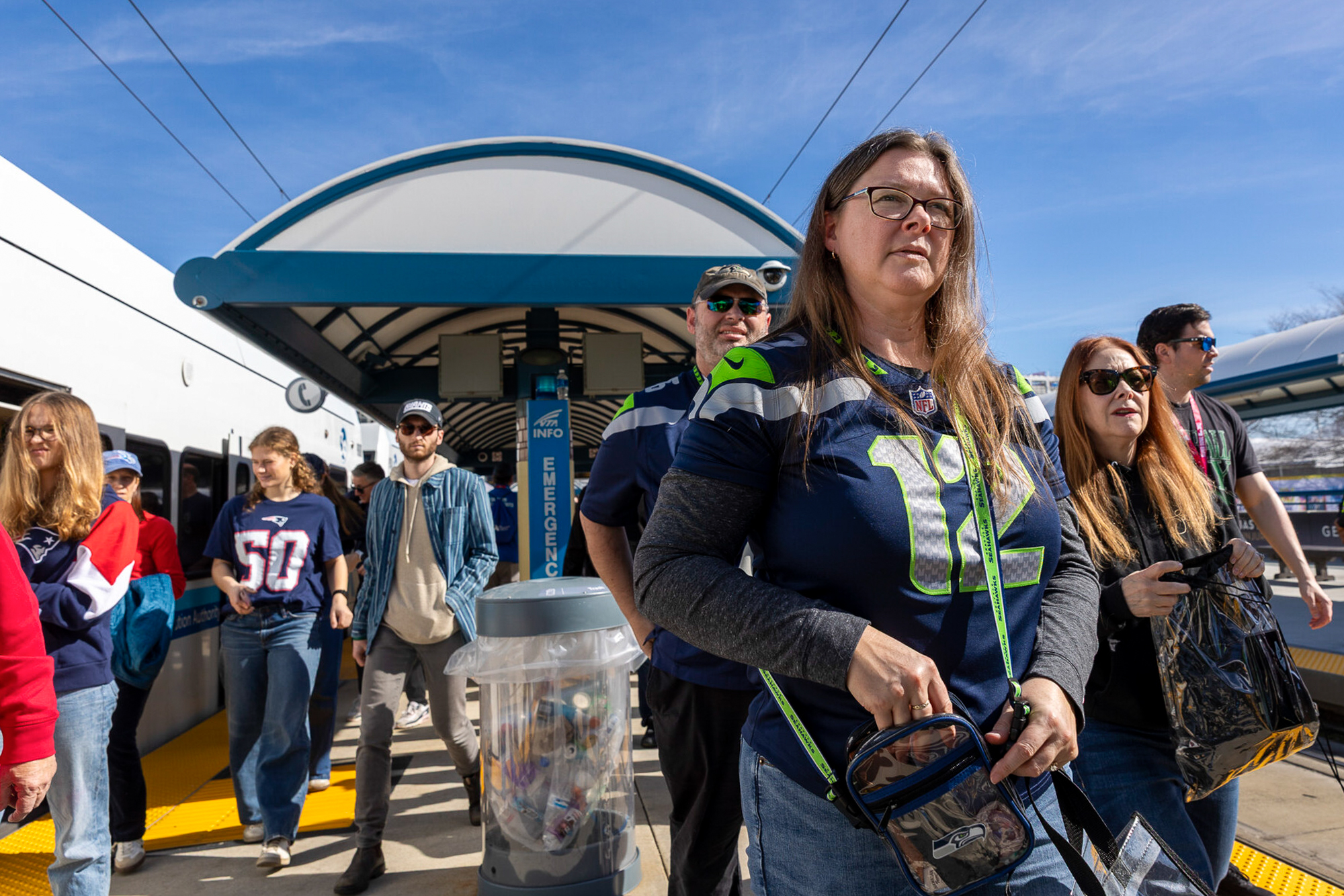 Super Bowl attendees exit a VTA light rail train at Levi’s Stadium for Super Bowl LX in Santa Clara on Feb. 8, 2026.
Asked whether field testing was ever fully completed, Long told KQED, “Field testing was conducted on all components that could be validated in real-world conditions,” including Clipper device functionality, system reporting and website performance.
But even a week before launch, Diana Hammons, senior manager of revenue growth and reporting at the SFMTA, which runs Muni, expressed dissatisfaction with Cubic’s handling of known errors, asking the company to collate them into a master list.
“This e-mail chain is not an ideal way for us to be tracking the progress on these issues and for me to be able to effectively update our General Manager,” she wrote on Dec. 3. “We are seven days away from the scheduled launch date.”
Despite known issues, Cubic officials assured MTC it could meet a Dec. 10 launch date for Clipper 2.0, Fremier said, with the MTC agreeing to continue testing in “a more live environment” — a decision he later defended.
“ I do think the decision and the reason why we made it was the right one at the time,” Fremier said.
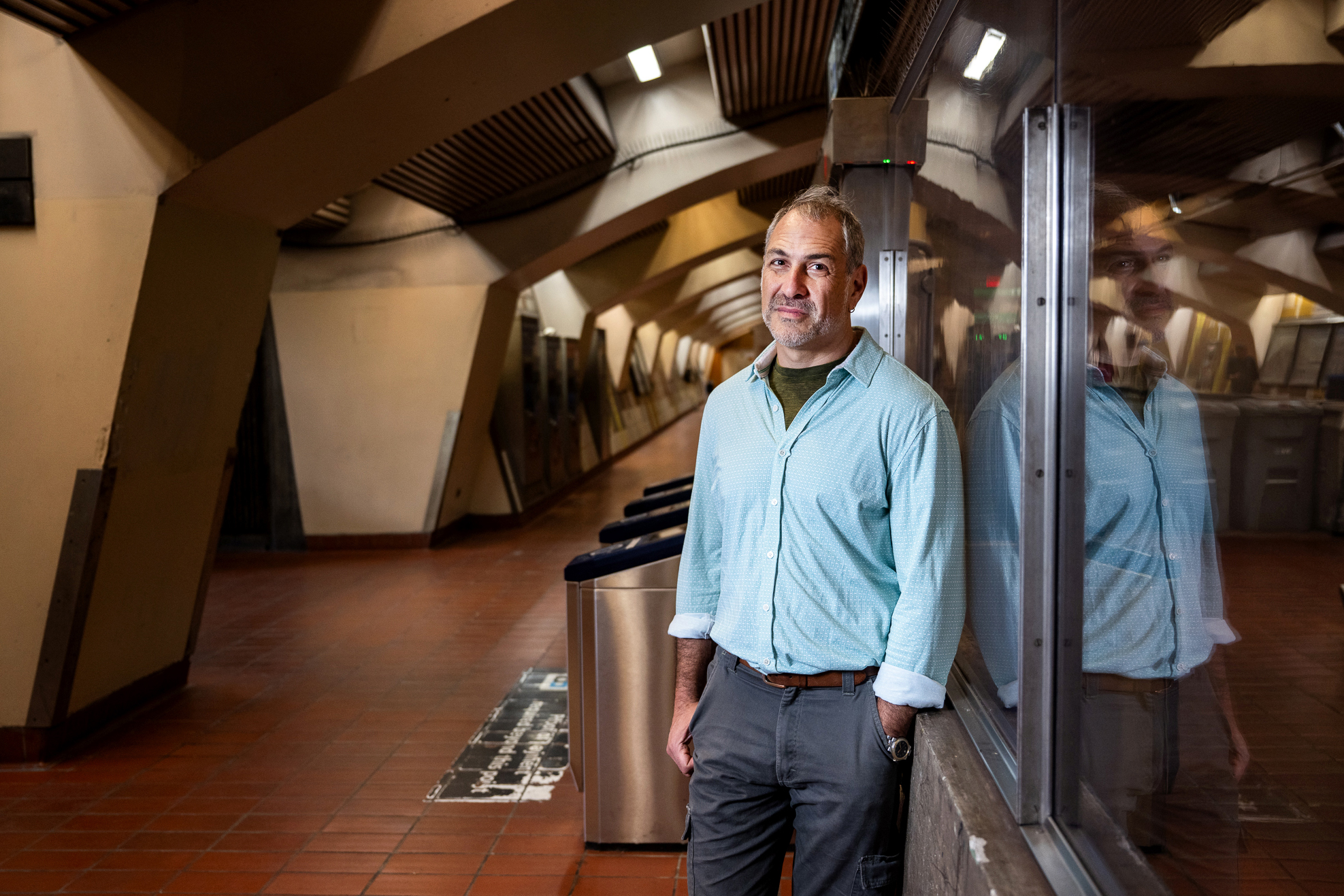 Dave Mangot stands at the 24th Street BART station in San Francisco on Aug. 3, 2026.
Dave Mangot, the founder and CEO of the software delivery consultancy Mangoteque, who reviewed Cubic’s outage reports obtained by KQED, said the MTC should not have relied on “assurances” from Cubic that the company would be able to fix the problems in a timely manner.
“Assurances are nonsense in software. Either the tests pass, or they don’t. That’s it,” Mangot said. “ Show me that this thing works like it’s supposed to.”
Doing a comprehensive pilot with well-planned, well-defined and well-managed outcomes, including full systems load testing, would have been very important for a rollout of this magnitude, according to Shyam Dunna, the principal at nMomentum Corporation, a technology consulting and IT services firm that specializes in fare collection systems.
“It appears that this was not done thoroughly enough based on the reports of system issues,” Dunna said, acknowledging that it can be difficult to comment without a forensic inspection of what caused them.
Whac-A-Mole
Clipper 2.0 launched on Dec. 10, 2025, with an eager crowd of transit agency heads and local leaders crowding a podium at the Embarcadero BART/Muni station to celebrate.
“As a city, we are moving in the right direction, and our economy is coming back,” San Francisco Mayor Daniel Lurie said. “But that progress relies on a stable transit system.”
That night, Angus Davol, assistant director of Clipper development and budget at MTC, told transit agency staff in an email that bankcard tap-to-pay acceptance “went smoothly overall,” but Cubic was investigating several issues, including customers “unable to manage their accounts.”
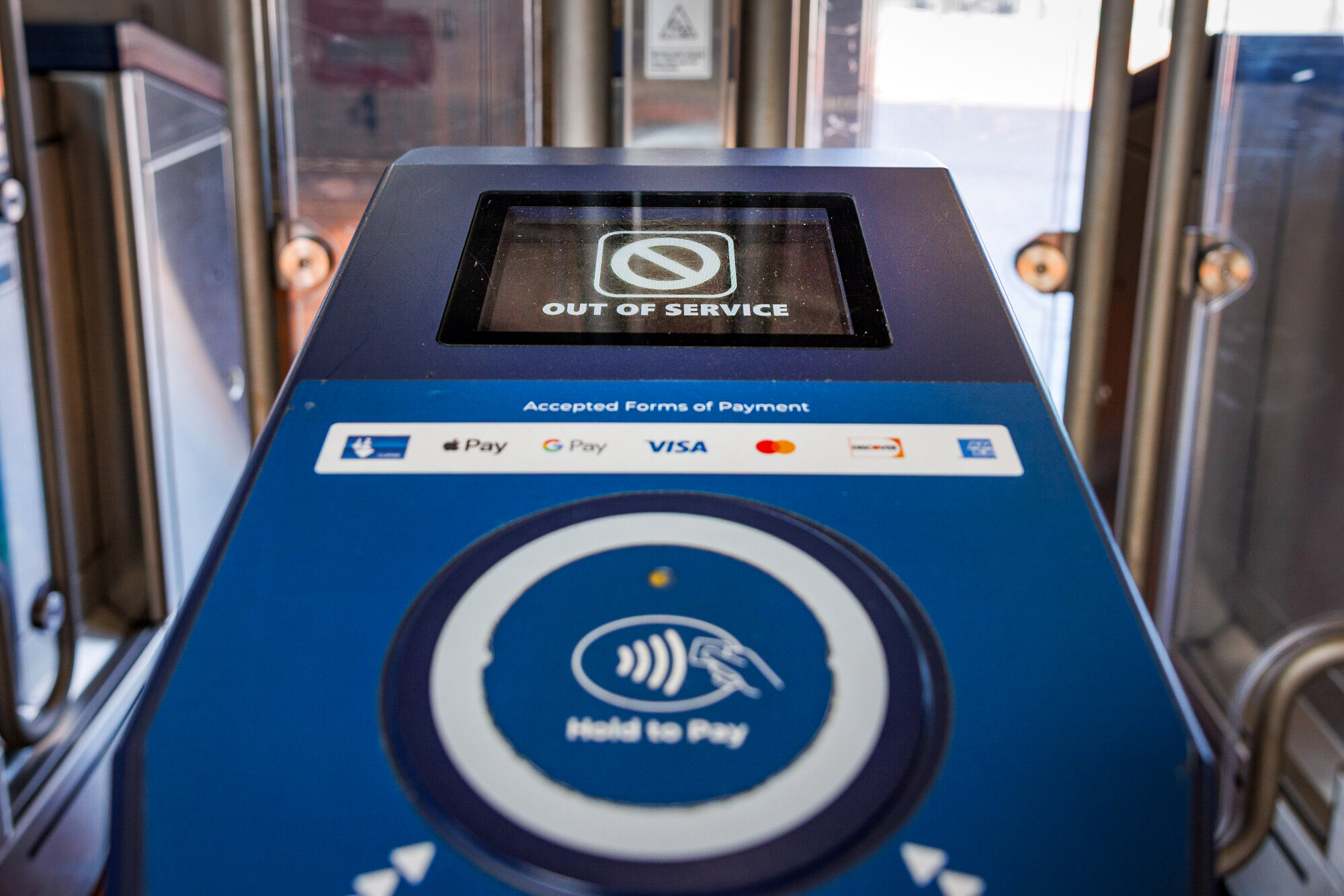 A BART fare gate displays an “Out of Service” message at North Berkeley Station on July 28, 2026.
In the days that followed, internal emails and reports from MTC, transit agency staff and Cubic describe a software rollout similar to a game of Whac-A-Mole, in which issues would worsen and multiply while solutions remained elusive.
By January, MTC staff expressed doubts the company would be able to meet its initial schedule for upgrading original Clipper accounts to Clipper 2.0.
“They did not design a system and migration process that can handle 600 passes and the significant number of rules and devices that we have in use,” Kelley Jackson, assistant director of Clipper Operations and Customer Experience at MTC, wrote in an email.
In several instances when problems did occur, Cubic’s initial response was to perform rolling restarts of servers, which Mangot described as a “turn everything off and on again” approach.
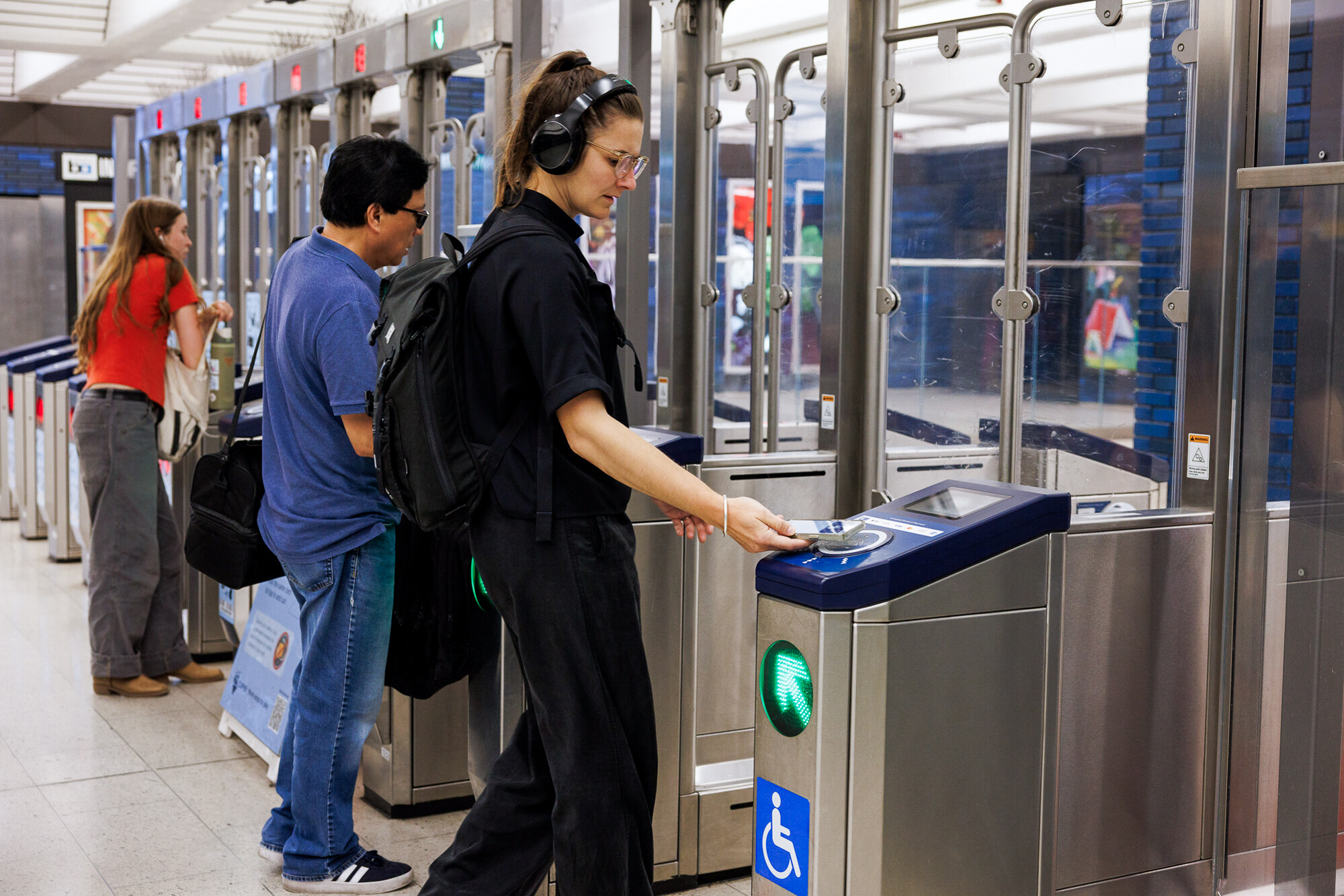 A rider scans their Clipper card at the 19th Street Oakland BART station on July 28, 2026.
“ Which is great if my mom has a problem with her Mac and she needs help, but this isn’t that,” Mangot said. “This is a payment system that’s running 22 different transit agencies. ‘Have you tried turning it off and on again’ isn’t the answer.”
In response to a two-hour outage on March 25, when Clipper ticket vending machines were unable to process credit or debit card payments, a Cubic staffer wrote that the company should “estimate the cost of building and maintaining a proper load test environment,” as an action item in response to the outage.
Mangot said that response “seemed backwards.” Load testing, the process of testing a system under its expected peak capacity, typically happens before a new system launches.
“ So many of these issues that they are running into with [servers] being overutilized, that’s why we do load testing,” he said.
‘Cheated’ and ‘embarrassed’
Following the December launch, the Clipper Customer Service center became overwhelmed with around 47,000 calls to agents in roughly its first month of operation, nearly four times the amount it was originally contracted to handle. At the same time, Clipper’s customer service staff reported delays accessing customer accounts.
BART riders like Omar Sultan found themselves locked out of their accounts for weeks, unable to access the money they had set aside for riding transit. Sultan told the BART Board of Directors in a January email that he missed the reimbursement deadline for transit through his employer because he was unable to access his account for so long.
“Riders are being charged for BART trips without the ability to audit those charges — a situation that would not be acceptable in any other payment system. I contacted Clipper customer service regarding this issue and received no response or guidance,” Sultan wrote.
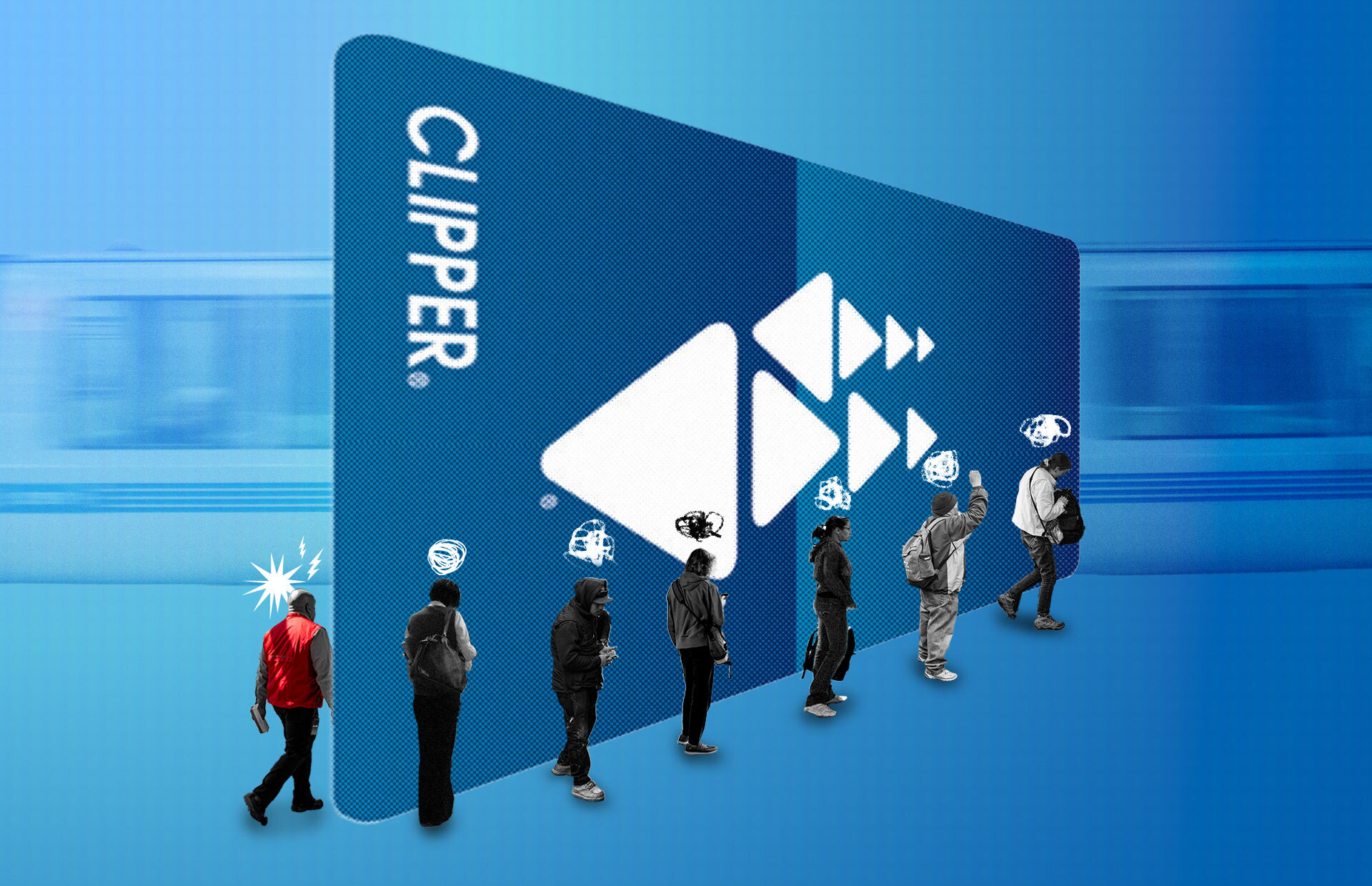 In the days following the launch of Clipper 2.0 — the region’s electronic train, bus and ferry tickets — the system began to unravel, with some customers locked out by error messages, others charged incorrect fares and ticket vending machines taking some riders’ money without crediting their accounts.
AC Transit General Manager Salvador Llamas said the ongoing issues made it difficult to recruit passengers who qualify for Clipper START, a discount program for low-income riders.
“It’s getting difficult to encourage people to get on Clipper START or other programs when the [ticket vending machines] don’t even work,” Llamas said at a July Clipper executive board meeting. “It’s hard for us to encourage people to trust the system.”
One longtime BART station agent who spoke to KQED on condition of anonymity because they are not authorized to speak with the press said the problems with Clipper 2.0 made it harder to come to work, calling it “the worst systemwide morale killer amongst agents since I started working here.”
The agent described months of problems with BART ticket vending machines where the machines would take riders’ money but not issue a Clipper card, and station agents “didn’t have an acceptable way to resolve the problem.”
“I care about our riders’ experience and can’t help but feel personally embarrassed, and organizationally incompetent, when our ‘product’ falls so far short of any reasonable expectations,” the station agent said.
The station agent said eventually they turned the vending machine’s ticket dispensing capability off “so passengers wouldn’t get cheated out of their money.” Those problems persisted for months until an update by Cubic on Aug. 3 solved the problem, the station agent said, but “These software issues never should have taken this long to be fixed.”
While problems persisted, transit agencies lost money. Caltrain estimated in a March 5 email to MTC staff that from Clipper 2.0’s launch through Jan. 31, it lost $70,000 because fare inspection devices had failed.
On March 18, the MTC’s Davol told transit agency staff in an email that Cubic had identified around 125,000 card taps — when a rider pays for their trip using a Clipper card — that had not been priced, meaning the fares had not been deducted from customer accounts or settled with operators. Five days later, he said Cubic had suspended processing those taps because customers were being charged for trips that pre-existing passes should have otherwise covered, and that Cubic was reporting new instances of unpriced taps. By March, BART projected $33,000 in lost revenue because station agents had to give out free rides.
Other errors included failing to update fare tables on New Year’s Day and charging some customers a local fare for express routes.
“In this fiscal environment, Caltrain cannot afford to continue to [go] down this path,” Bruce Thompson, manager of fare program operations at Caltrain, wrote in one email to MTC staff, citing the agency’s forecasted $75 million annual budget deficit.
The Super Bowl and World Cup did indeed bring record-setting ridership to Caltrain, BART and the Santa Clara Valley Transportation Authority. But the ongoing issues with Clipper 2.0 forced the agencies to delay introducing new promotions and led some to promote other fare payment platforms, such as the Token Transit app, instead.
“There’s no question that it hasn’t been a good rollout, and it hasn’t served our customers well,” Caltrain Executive Director Michelle Bouchard told KQED in June.
Between Dec. 10, 2025 and Aug. 10, 2026, Cubic logged 20 major incidents with the system, defined as an outage affecting things like card readers, or the Clipper website or app for more than an hour. The average length of the outages was approximately five hours. Of those 20 incidents, 19 were related to Cubic-managed systems, while one was related to a regional Microsoft outage, Long said.
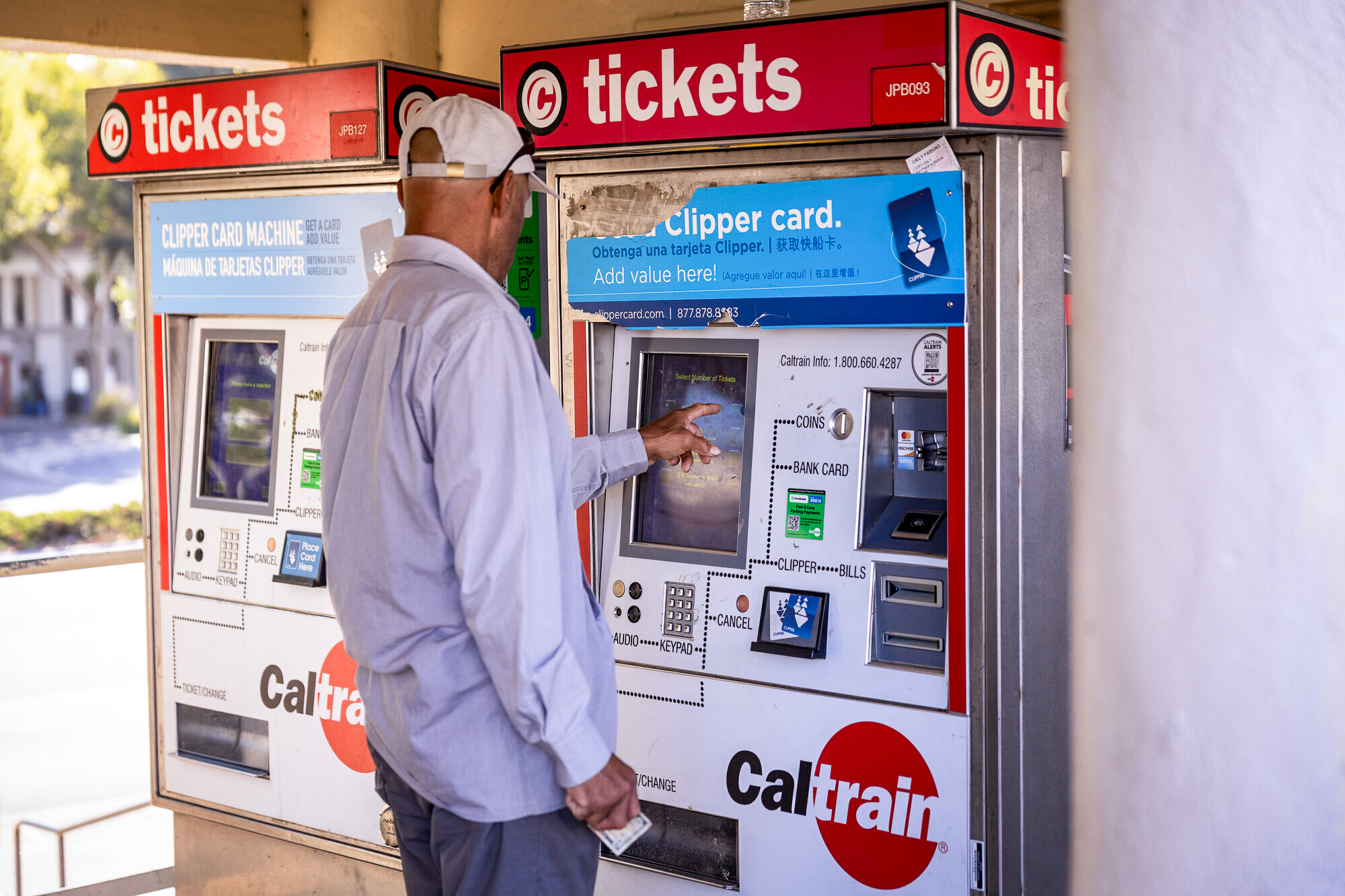 A Caltrain rider uses a Clipper card machine at the Palo Alto Caltrain station on July 29, 2026.
None of those outages affected riders’ ability to take transit if their Clipper card already had value on it, or if they could pay with a bank card, Long said, but she added that the outages did have “customer-facing impacts.”
The last major outage was on June 10.
Long said the MTC is still evaluating the total financial impact of Clipper 2.0 to transit operators. In June, the Clipper Executive Board tacked on another $11 million to its fiscal year 2026-27 budget for costs related to Clipper 2.0 delays, including $3.4 million to keep the previous version of Clipper operational for up to nine more months and an additional $7.6 million for increased customer service center staffing.
This came shortly after Cubic blew through a self-imposed May 30 deadline to resolve all critical issues and begin upgrading accounts to Clipper 2.0 en masse.
Learning from mistakes
For Adina Levin, the executive director of the Bay Area transit advocacy nonprofit Seamless Bay Area, the problems with Clipper 2.0’s delivery are representative of broader issues when government agencies are in charge of overseeing large-scale technology projects.
“ What is needed is a learning process on what are the attributes of a well-managed technology project, and so what needs to be put in place to do things differently,” Levin said.
Levin said the MTC needs to be more involved in the technical planning of systems like Clipper 2.0 in order for them to be successful.
 Adina Levin sits at the Menlo Park Caltrain station on Aug. 7, 2026.
“What is the network environment of this project, and is the system designed to work in this network? What is the testing plan to work in the network? The customer needs to be able to understand that in order to be able to manage it,” Levin said.
Levin suggested that for future projects, MTC could structure the contract with smaller components that could allow for more “competitive choices,” as Cubic being the single bidder meant there was no competition or alternatives to choose from.
As contract manager, Fremier said the MTC’s job “is to make sure that Cubic produces the system that they bid on and that we specified in the contract.”
But he said so much of the work is done behind the scenes by programmers and people with technical expertise that there wasn’t much more the MTC could do to improve delivery of the system.
Once that is done, it may be time to start on Clipper 3.0.
“ These contracts take several years to procure and several years to build, which is multiple years in the making, which means we need to almost get started now on trying to figure out what that next generation might be,” he said.