
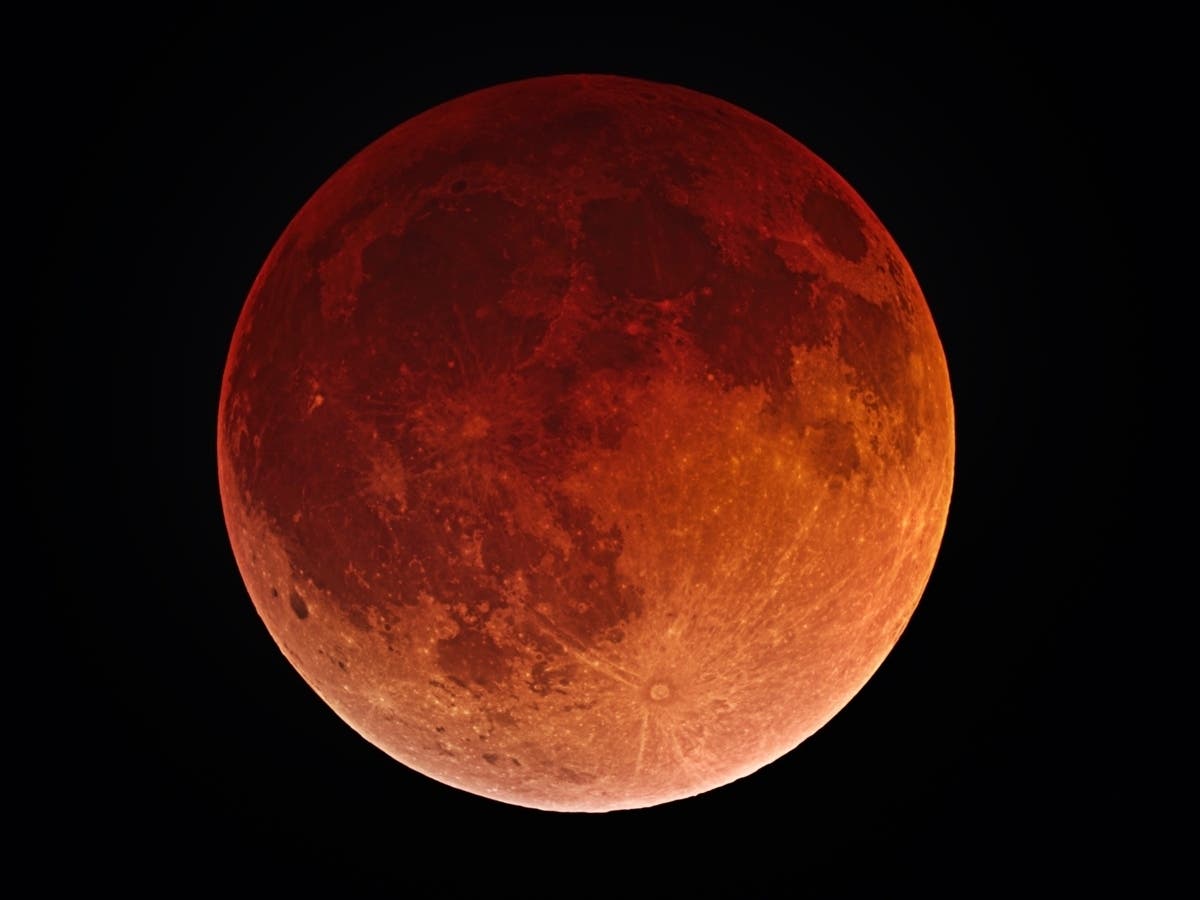
For people who want to watch the whole thing, the moon will begin entering Earth’s darker shadow beginning at 7:33 p.m. PDT on Aug. 27, reaching maximum eclipse at 9:42 p.m. PDT, and leaving the shadow by 10:52 p.m. PDT.
It’s Also A Sturgeon Moon
Native American peoples called August’s full moon the sturgeon moon because the giant freshwater fish were once especially abundant and readily caught in late summer in the Great Lakes and Lake Champlain, according to The Old Farmer’s Almanac.
The term isn’t universal among Native American tribes. Other names for the August full moon include the Green Corn Moon and Grain Moon.
Once Seen As An Omen
Folklore surrounding lunar eclipses often casts the darkening or reddening moon as a sign of trouble brewing in the heavens.
Across cultures, eclipses have been blamed on dragons, wolves, jaguars, serpents and other creatures said to be swallowing or attacking the moon. Some traditions called for beating drums, shouting or making other noise to scare the creature away, while others viewed the red “blood moon” as an omen of war, death, famine or political upheaval.