
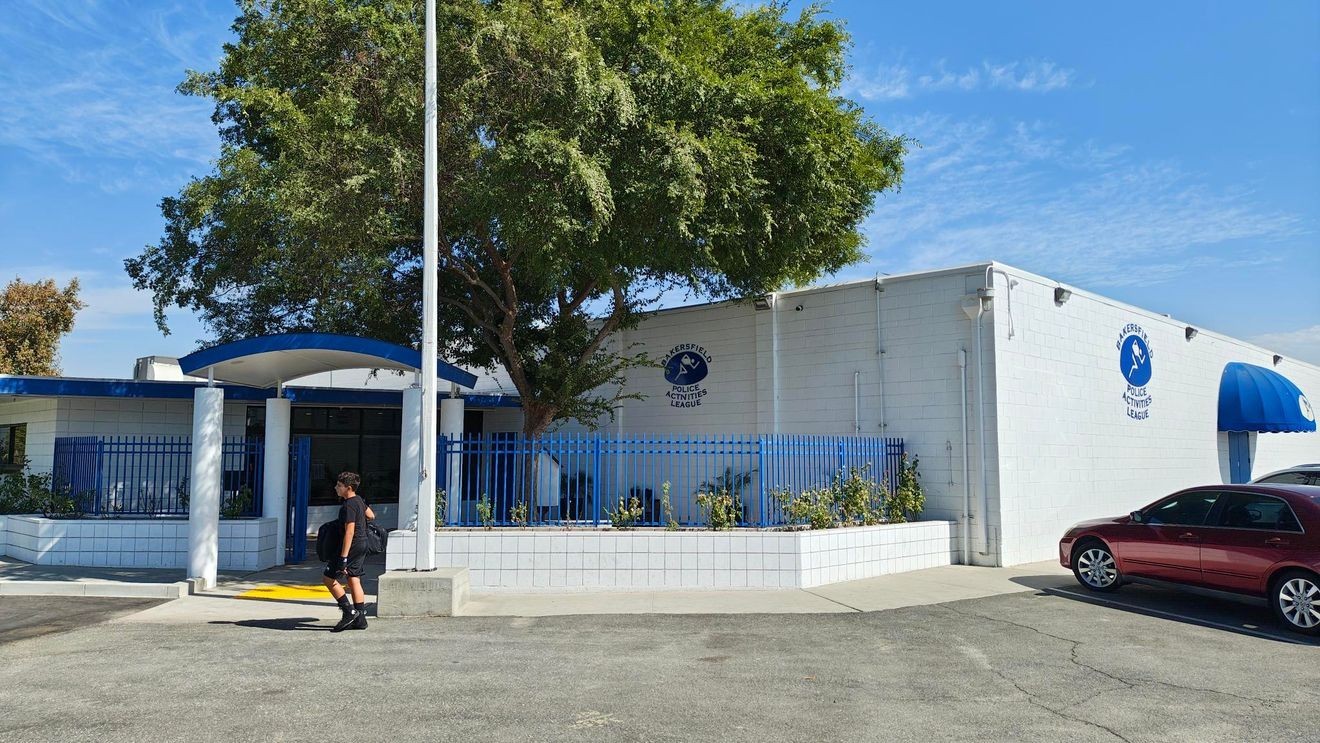
BAKERSFIELD, Calif. (KBAK/KBFX) — As Bakersfield police raise concerns about young people becoming involved in gangs, a local program is working to provide children with a safe place to spend their time after school while building relationships with officers and mentors.
Officer Jose Lara with the Bakersfield Police Department is currently assigned to BPAL. He said the organization provides a place where children can spend the hours after school doing homework, participating in recreational activities and interacting with mentors.
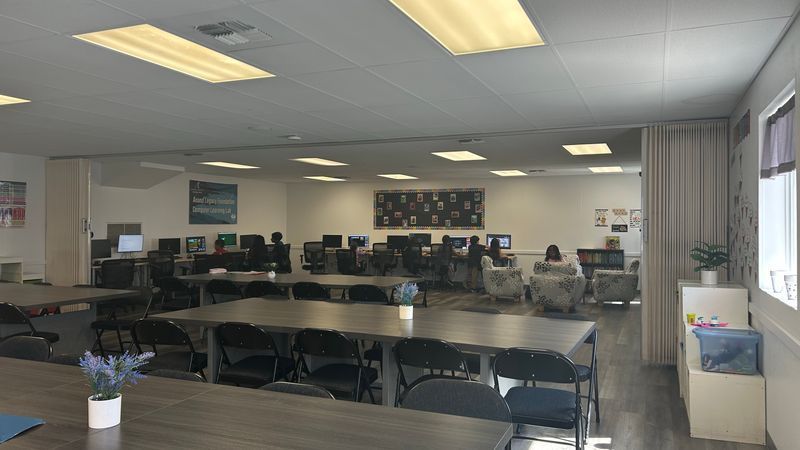
“A lot of the kids here, this is a safe place for them to be,” Lara said.
BPAL’s free after-school program currently operates Monday through Thursday from 2 p.m. to 5:30 p.m.
Lara said the goal goes beyond simply giving children activities to fill their afternoons.
“So, a lot of the kids here this is a safe place for them to be…It gives them time to go to a place, to do homework, to do the recreational sports, to join programs, to keep them out on the streets, and get them away from the people that are involved. trying to make them do the negative things that could cause them to join gangs, do drugs, run around the street, and cause chaos.,” Lara said.
Mentorship alongside sports and education
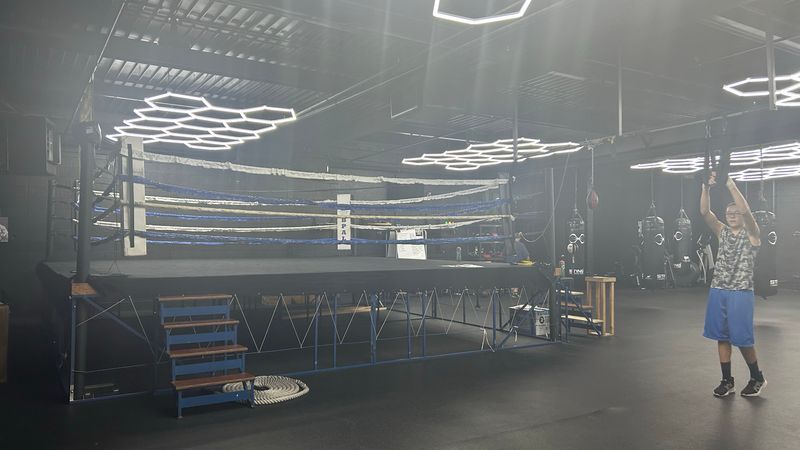
Children participating in BPAL have access to activities including basketball, boxing, soccer and jiu-jitsu, along with educational and leadership opportunities.
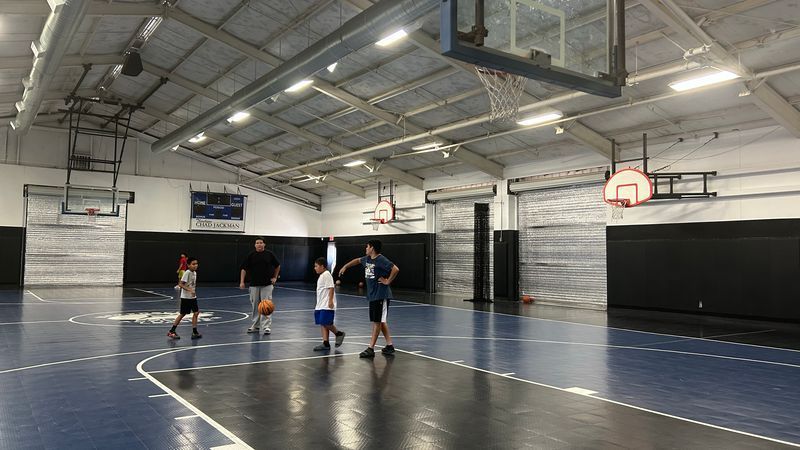
Lara said police officers also spend time at the facility mentoring children and checking in on how they are doing at school and at home.
“We do discipline to an extent of telling them what’s right, what’s wrong, what they shouldn’t be doing, what the consequences are, what the long term affects of that decision is,” Lara said.
According to Lara, officers involved with BPAL regularly talk with children about school and whether they or their families need additional assistance.
“We ask them how they’re doing in school. Is there anything we can do to help them or their families,” Lara said.
BPAL describes those relationships as a central part of its work. The organization says police officers and other community members serve as coaches, mentors and role models for children participating in its programs.
Lara said having a trusted adult in a young person’s life can be particularly important when that child is facing negative influences.
“A lot of them just, just, they don’t have that person that they need in their corner at times,” Lara said.
He said some young people can be influenced by their peers to make decisions that have consequences not only for themselves but also their families.
“They’re getting persuaded by these other individuals, these other juveniles, from doing the wrong things, and it’s taking away from not only themselves, but their families, because their families are the ones at the very end that, you know, pay the bigger consequence,” Lara said.
Parents reaching out before it is ‘too late’
BPAL’s role can also extend beyond children already participating in its programs.
Lara said concerned parents sometimes contact the organization because they are worried about the people their child is spending time with or the direction their child may be heading.
“We get phone calls all the time. Hey, is there an officer is there someone that can speak to my son? He’s hanging around with kids that he shouldn’t be hanging around with, and I kind of wanna catch it before it gets too late. Is there any way that somebody can come down and speak to my son, or can we bring them to you to speak to them? And they do all the time,” Lara said.
Lara said BPAL had received one such request the same morning Eyewitness News interviewed him.
“I actually got a note today left on my desk from my desk manager. She received a phone call this morning from a concerned parent that their child was essentially hanging around with someone that they shouldn’t be hanging around with, and she’s pretty much seeking for help,” Lara said.
Lara said he planned to meet with the young person, talk with them and better understand what was happening in their life.
“I’m actually gonna be meeting with that individual, and I pretty much mentor him, and we’ll just kind of have a conversation with him, get a feel for him, and kind of see where his train of thought is, what he’s doing, who he’s with,” Lara said.
Working with local schools
BPAL also works to make local schools and families aware of the programs available at the facility.
Lara said the organization visits some schools and participates in events where BPAL representatives can provide families with information about its services.
“So when it comes to school itself…we’ll actually go to a certain school within this area to kind of let them know, hey, we offer these programs, we have this coming up,” Lara said.
He said the communication can also work in the other direction, with some schools reaching out when they believe a student or family could benefit from additional resources.
“There are some schools that do reach out and ask, hey, you know, we have a child on this case. Is there anything you guys can offer them or offer the family?” Lara said.
When asked specifically about the Kern High School District, Lara said BPAL does not work with the district as frequently through its traditional after-school program, in part because of scheduling.
“We don’t do it very much with Kern High, simply because their school hours have changed,” Lara said.
BPAL’s traditional after-school program ends at 5:30 p.m., and Lara said later high school dismissal times can make it difficult for those students to participate.
“So it’s one of those things where… We’re trying to figure out how we can implement those high school kids into our program, and the biggest thing is time,” Lara said.
However, Lara said high school students can participate in some of BPAL’s programs outside the traditional after-school hours, including sports.
“So, a lot of the kids that we do get from high school are…part of our after-hours program, such as boxing, or girls’ football, or basketball league, or soccer league,” Lara said.
Eyewitness News reached out to the Kern High School District to better understand the district’s role in connecting students who may be at risk with intervention and prevention resources but had not received a response at the time of publication.
BPAL says it reaches about 2,000 children annually
Lara said BPAL serves children between the ages of 6 and 17 and reaches approximately 2,000 young people each year through its various programs.
“Yes, we serve about 2,000 kids a year through our programs,” Lara said.
He said the traditional after-school program is free, while some of BPAL’s other activities are available at little to no cost.
“So, again, the majority of our program, our after-school program, is completely free of charge. Again, that’s Monday, Thursday from 2 p.m to 5.30 p.m, and then we have after hour programs, such as boxing, you know, basketball, soccer, and those some of those programs are little to no cost,” Lara said.
Officer says BPAL’s impact is personal
For Lara, the work being done at BPAL is also personal.
He said he grew up near the facility and participated in the program himself before eventually becoming a Bakersfield police officer.
“I like to say, you’re looking at somebody that went to the program that was living in this environment, someone that lived down the street, grew up down the street, and I consider that myself a success, right?” Lara said.
He said he is not the only former participant who later became an officer.
“And there are a few others, like myself, that came through the program themselves, that lived in the neighborhood, and are also officers,” Lara said.
Lara said the relationships young people develop with police officers and other adults can be an important part of the program.
“I think it’s huge, especially in a community where, right now, people aren’t very fond of law enforcement officers,” Lara said.
City investment helped renovate BPAL facility
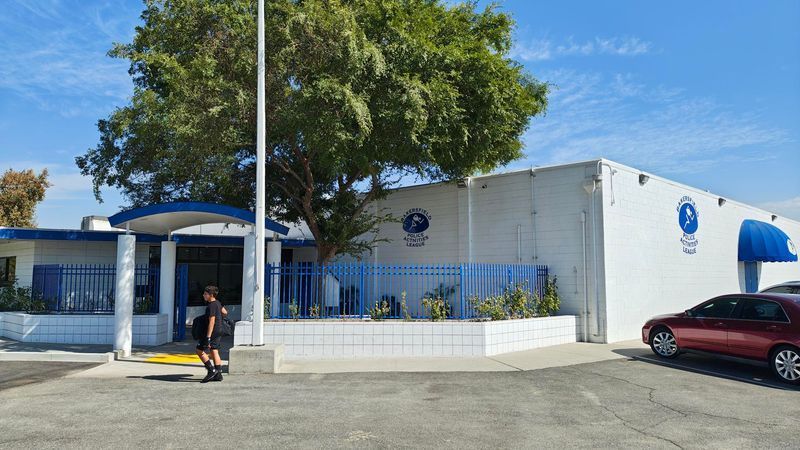
Lara also said BPAL received a $1 million capital improvement grant from the City of Bakersfield in early 2025 to renovate its facility.
According to Lara, improvements included work on the building, landscaping, restrooms, the basketball gym and tutoring space. He said the facility now offers a number of programs, including jiu-jitsu led by police officers, screen printing, leadership programs and multiple sports.
“This is just the city giving back to the community, and letting parents know, like, Hey, we have this place, basically, the Bakersfield Police Activities League. It’s free of charge, bring your kids, right? Keep them out of trouble. Keep them busy, keep them active. You know, utilize the program that they have here,” Lara said.
Lara said BPAL is also open to community members interested in helping mentor young people or developing programs that could provide additional opportunities.
“If anybody in the community would like to be a mentor to these kids, or would like to help in any way, our doors are always open,” Lara said.
BPAL was formed in 1994 by police officers and community members and describes itself as one of the Bakersfield Police Department’s approaches to juvenile delinquency prevention.