
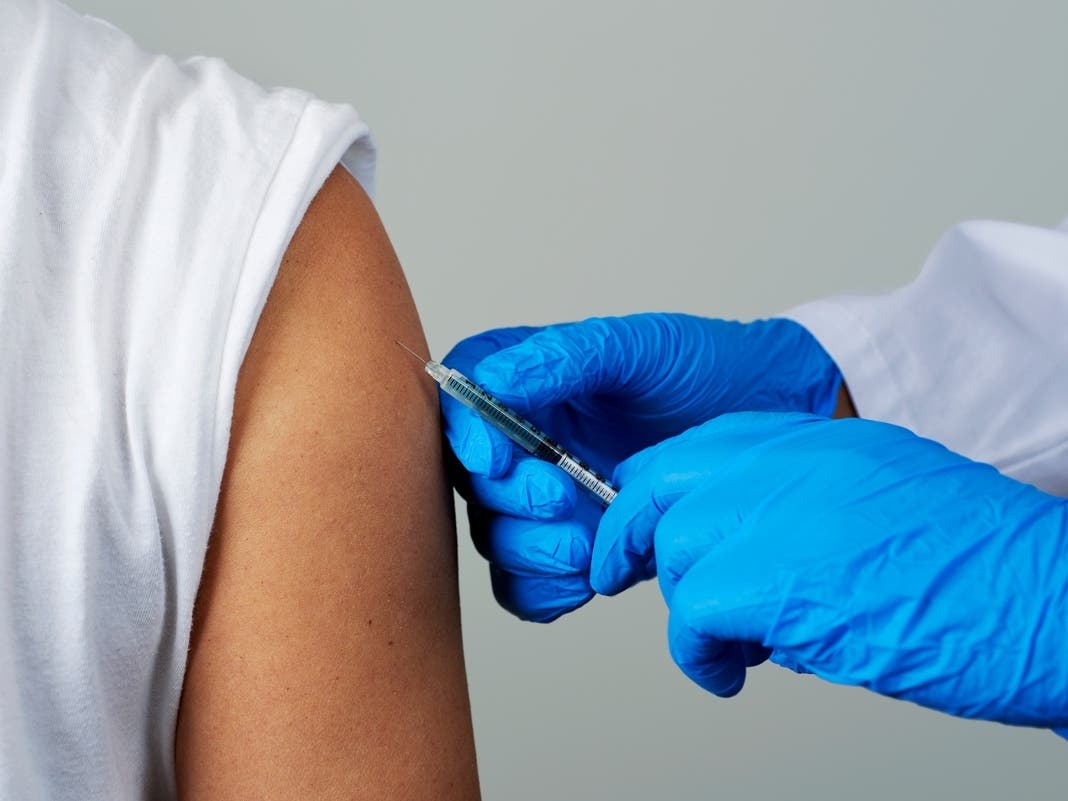
Health officials are encouraging people at risk for mpox, including those planning to travel to parts of Africa and Europe where clade I has been reported, to receive both doses of the vaccine.
The second dose can be given at least 28 days after the first, and the department says people who wait longer than 28 days don’t need to restart the series. Booster doses aren’t currently recommended for people who have completed both doses, and vaccination is not recommended at this time for people who previously had mpox.
Dr. Julia Janssen, deputy director of the department’s sexually transmitted infection and HIV branch, said vaccination reduces the chance of infection and helps protect against severe illness, hospitalization and death. The department also says the vaccine can be given to people who are immunocompromised, including people living with HIV or taking medications that suppress the immune system.
Health officials cautioned that vaccination does not eliminate the possibility of infection. Fully vaccinated people should still watch for symptoms and seek testing if they develop them.
The vaccine is available through health care providers and local pharmacies. The Department of Public Health directs people without insurance or those having difficulty finding a vaccine to its mpox information and vaccination resources at sf.gov/mpox.