
UC Berkeley’s Academic Senate Task Force released a report called “Free Speech, Academic Freedom, and Campus Climate in Higher Education,” which included recommendations for administrators on resolving the frictions between these three aspects of campus life.
The report found that academic freedom and free speech are necessary but insufficient for achieving UC Berkeley’s core academic mission of “producing and disseminating knowledge.” It recommends prioritizing a campus climate of “trust and good faith,” backed by a “culture of openness” and increasing transparency from campus leaders on administrative judgements.
“We view the report as a starting point for a campus-wide discussion,” said Thomas Philip, one of the authors of the report, in an email. “Making progress on these challenging issues facing Berkeley and higher education requires the perspectives of students, staff, faculty, and administration alike.”
Former Academic Senate Chair Mark Stacey requested last year that a task force put together the report, citing “contentious debates” about free speech, academic freedom and critical inquiry, among other subjects. Examples from the past year referenced in the report include the removal of artwork from the Multicultural Community Center, lecturer Peyrin Kao’s suspension and vandalism charges for a student protest art installation.
The Multicultural Community Center quietly closed in fall 2025, reopening the following spring with its wall artwork removed. It previously included a poster of Martin Luther King Jr., messages reading “free Palestine” and a mural with notable figures from the ethnic studies movement.
EECS lecturer Peyrin Kao was suspended for the past spring semester without pay, with campus citing pro-Palestinian comments for political advocacy in the classroom as the reason. Executive Vice Chancellor and Provost Benjamin Hermalin alleged these remarks were in violation of Regents Policy 2301, which prohibits “political indoctrination” or “misuse of the classroom” for other purposes outside the scope of a course.
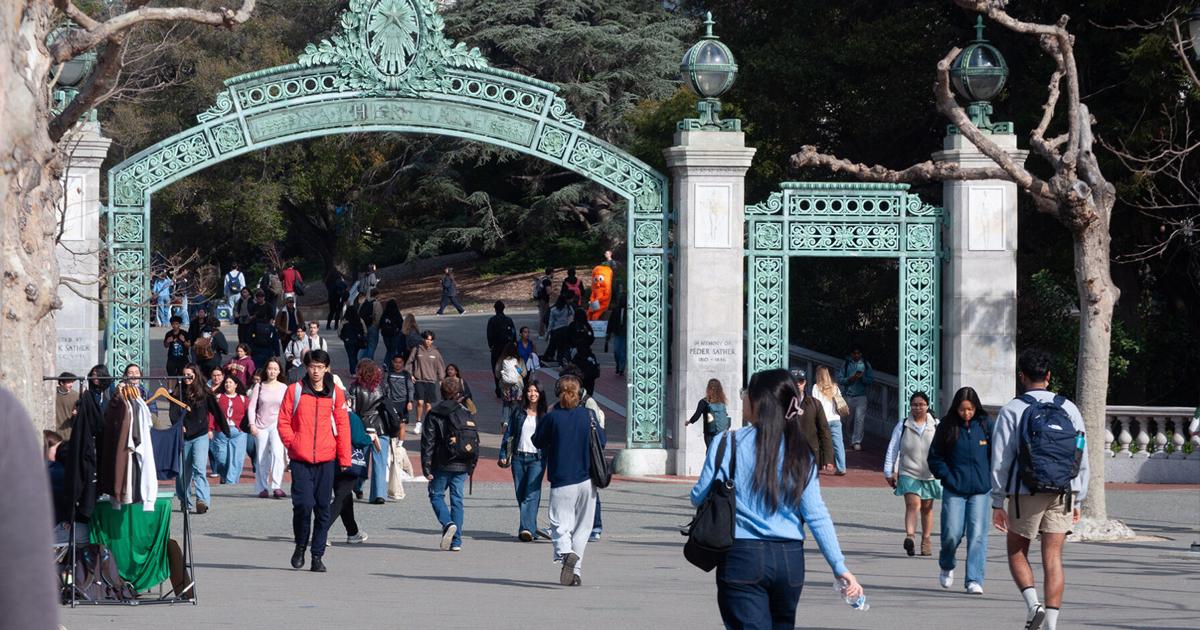
UCPD arrested four students on campus last fall while attempting to hang a cardboard bug on Sather Gate; the students were charged with felony vandalism. The installation was in protest of Turning Point USA’s event on campus later the same day. The Alameda County District Attorney’s office later dropped the charges.
The report also cites coverage and editorials from The Daily Californian in its appendix as context for “issues our campus faced throughout the Task Force deliberations.” Articles include coverage of free speech lawsuits, such as UC Berkeley’s settlement with the Brandeis Center over antisemitism allegations.
In March, the UC Board of Regents voted to settle a 2023 antisemitism lawsuit with the Brandeis Center, agreeing to pay $1 million in legal fees. The lawsuit alleged UC Berkeley failed to respond to antisemitic discrimination on campus. In response, UC Berkeley also agreed to provide mandatory antisemitism and anti-discrimination training to students, faculty and staff, as well as create a Title VI officer.
Despite citing these examples, the report does not explicitly make claims or judgements about whether any of these instances constituted violations of free speech protections on campus.
“UC Berkeley doesn’t just support Free Speech and engagement with the issues of the day, we encourage it,” said Campus Spokesperson Dan Mogulof in an email. “When speaking for themselves, members of our community have every right to have their voices heard in support of the causes they believe in, and so this campus must and always will take a viewpoint-neutral approach when it comes to supporting freedom of speech and academic freedom.”